The takeaway: SpaceX plans to build natural gas power plants and large battery systems for the massive chip factory it is developing with Tesla in Texas. The companies are moving ahead with the first phase of the Terafab project, which is expected to cost $16.8 billion, and have confirmed that the factory will be built in Grimes County. The initial development is expected to create 3,000 jobs and will receive a $30 million Texas Enterprise Fund grant.
Riley Trettel, who oversees energy and data center development for SpaceX, said the companies will handle much of the project's power needs themselves.
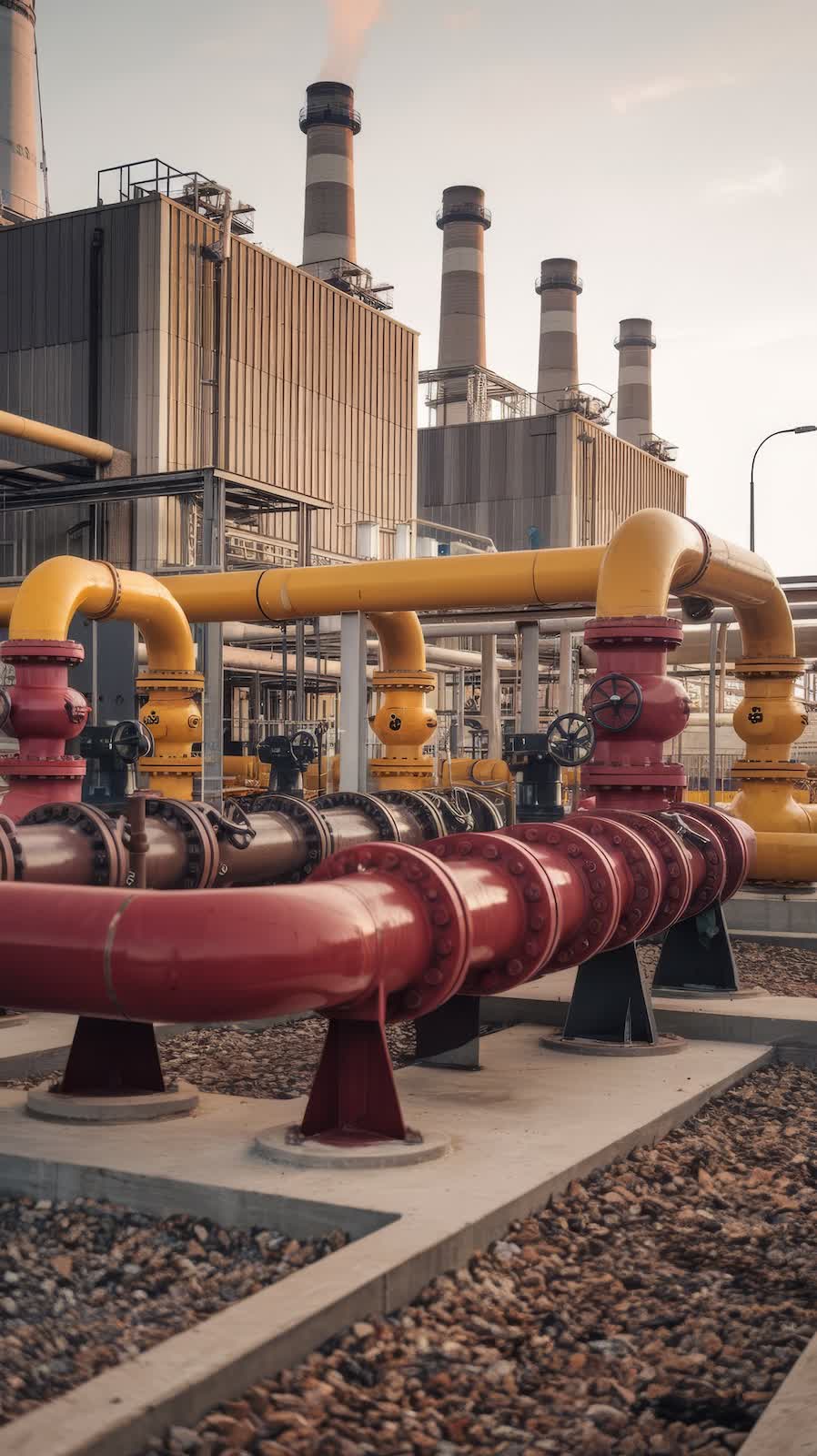
"We're bringing our own power," Trettel said during a public meeting in Grimes County. "We're going to be building natural gas fired power plants, and we're going to be building very large battery arrays in order to store energy."
The decision points to the power demands expected from the semiconductor plant. Chip factories require large amounts of steady electricity, and the project's developers are planning generation and energy storage as part of the broader construction effort.
The factory is expected to cover 100 million square feet over several phases. It will be built on about 3,000 acres, though SpaceX controls more than 13,000 acres in the area. That gives the company room for the factory, power infrastructure, and further development.
Trettel said work on the site will begin quickly. "We are going to be moving nearly immediately to get going on the project," he said. "We need to get our civil work started. We need to start to get foundations in place, and we're going to get cracking."
– Elon Musk (@elonmusk) August 6, 2026
Intel joined the project in April and is expected to provide expertise in chip design, fabrication, and packaging. The factory is expected to make two types of chips. One would be used in Tesla electric vehicles and Optimus humanoid robots. The other would be designed for use in space.
Elon Musk, who leads both SpaceX and Tesla, has said the chip industry is not moving fast enough to meet demand from his companies and the wider technology sector. He has also raised concerns about geopolitical risks in the semiconductor supply chain.
The energy plan fits with Musk's approach of keeping key parts of the supply chain within his companies. Tesla already builds Megapacks, utility-scale battery storage systems, and operates a Megapack factory west of Houston.
Rising demand from data centers and advanced factories has increased interest in new natural gas plants and battery storage across Texas and other major markets. For SpaceX and Tesla, building power assets alongside the factory could reduce reliance on outside power development as the Terafab project moves from site work to production.