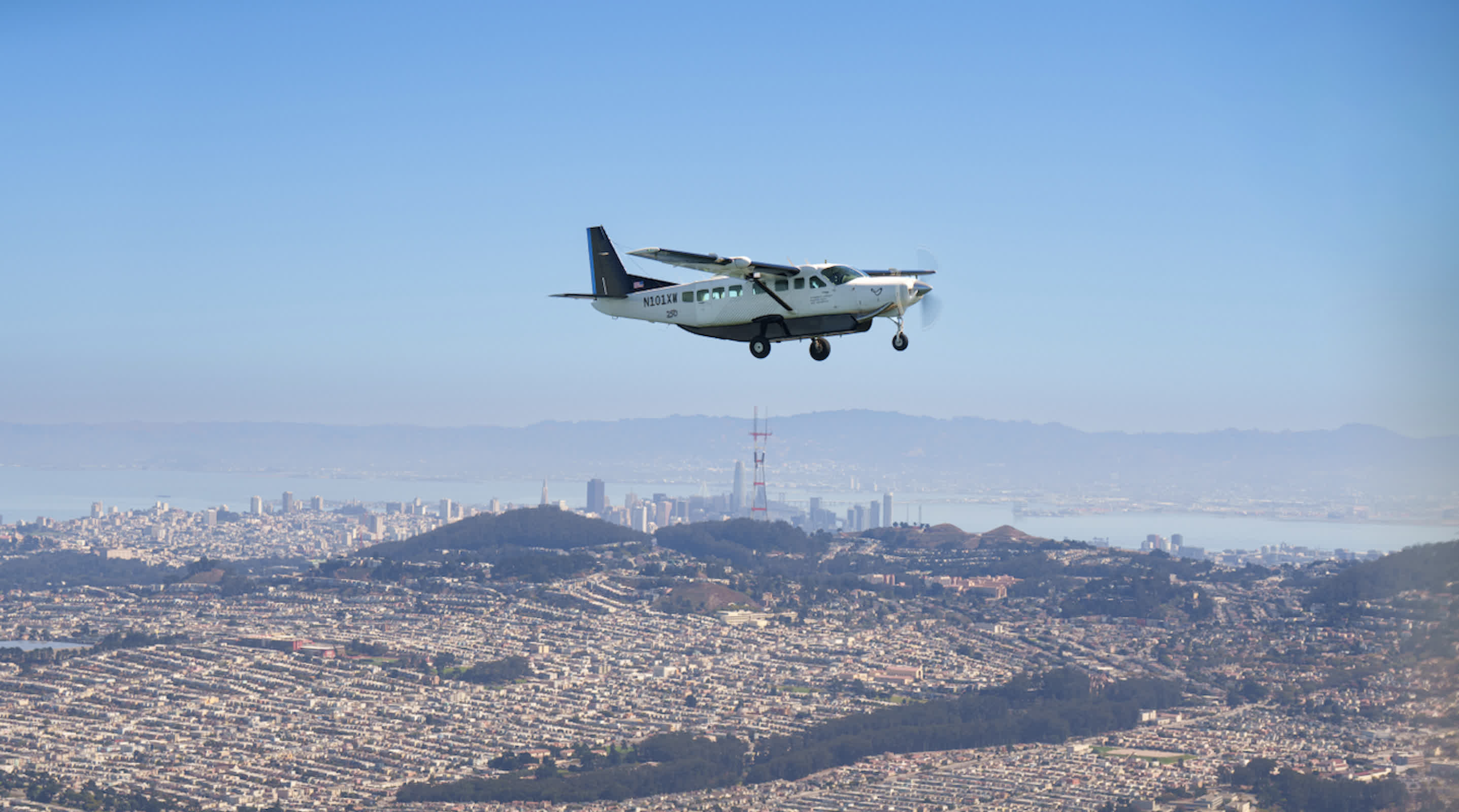
Forward-looking: Joby Aviation flew a modified Cessna Caravan 3,199 miles across the United States using an autonomous flight system that handled the entire trip, from taxiing to landing. The flight tested Joby's autonomous system in conditions that went far beyond simply maintaining a course at cruise altitude. It managed airport operations, weather diversions, and route changes along the way, demonstrating how the technology could eventually be used for cargo deliveries, emergency response, and other utility flights.
The aircraft left Concord, California, earlier this month. A safety pilot was aboard, but Joby said the pilot did not help operate the aircraft.
Joby said the Caravan's system handled ground taxiing, takeoffs, landings, and route changes during the multi-stop trip. The aircraft also flew through the busy Phoenix area and changed course to avoid thunderstorms and severe weather fronts. It made demonstration stops at Alliance Airport in Fort Worth, Texas, and Shaw Air Force Base in South Carolina.
The mission was the first time an airplane had completed a fully autonomous flight across the country.
"Autonomy has an important role to play in the future of flight," Joby founder and CEO JoeBen Bevirt said in a statement.
Bevirt said the technology could help "connect remote communities, deliver critical supplies, respond faster to disasters, support military operations, and keep pilots out of harm's way."
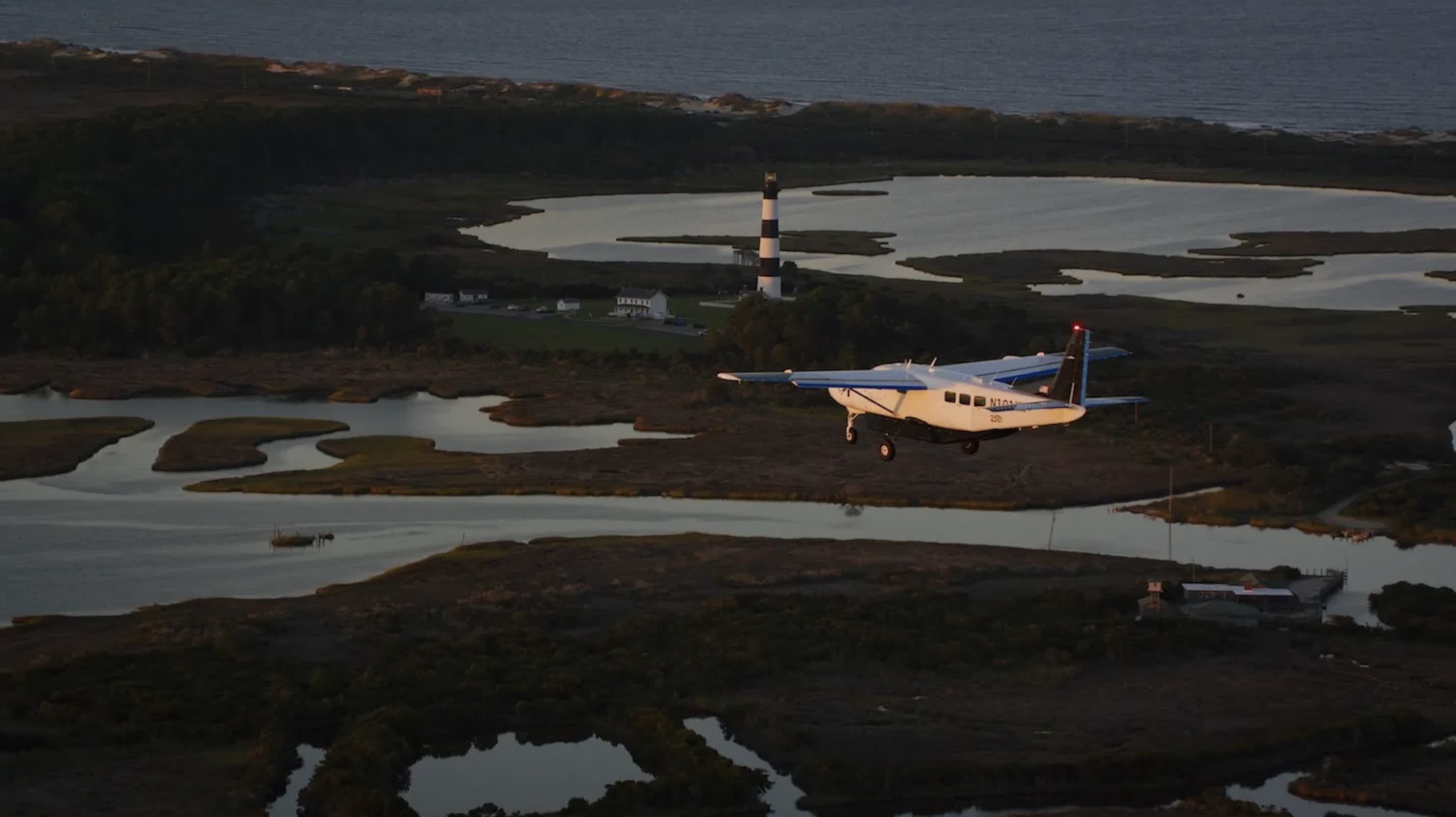
The Cessna Caravan is a single-engine turboprop aircraft commonly used for cargo, utility, and regional passenger service. That makes it a useful platform for testing autonomous flight in operations where aircraft often fly repeated routes to smaller airports and remote areas.
The company marked the end of the eastbound flight with a low pass near the First Flight Monument in Kitty Hawk, North Carolina. The site is near where Orville and Wilbur Wright made their first powered flight in 1903.
The aircraft is expected to return to California using the same autonomous capability. Joby said the return route will include stops in Washington, D.C., Kentucky, Kansas, Oklahoma, Utah, and Oregon.
Autonomous aviation has been in development for years, including in military and experimental aircraft programs. In 2010, Piasecki Aircraft Corp. and Carnegie Mellon University demonstrated a fully self-piloted helicopter. Commercial airliners also use automation for some flight functions, including maintaining altitude, course, and stability, as well as supporting certain landing procedures. Joby's test differs in that the system was used throughout the entire mission, including ground operations and airport procedures.