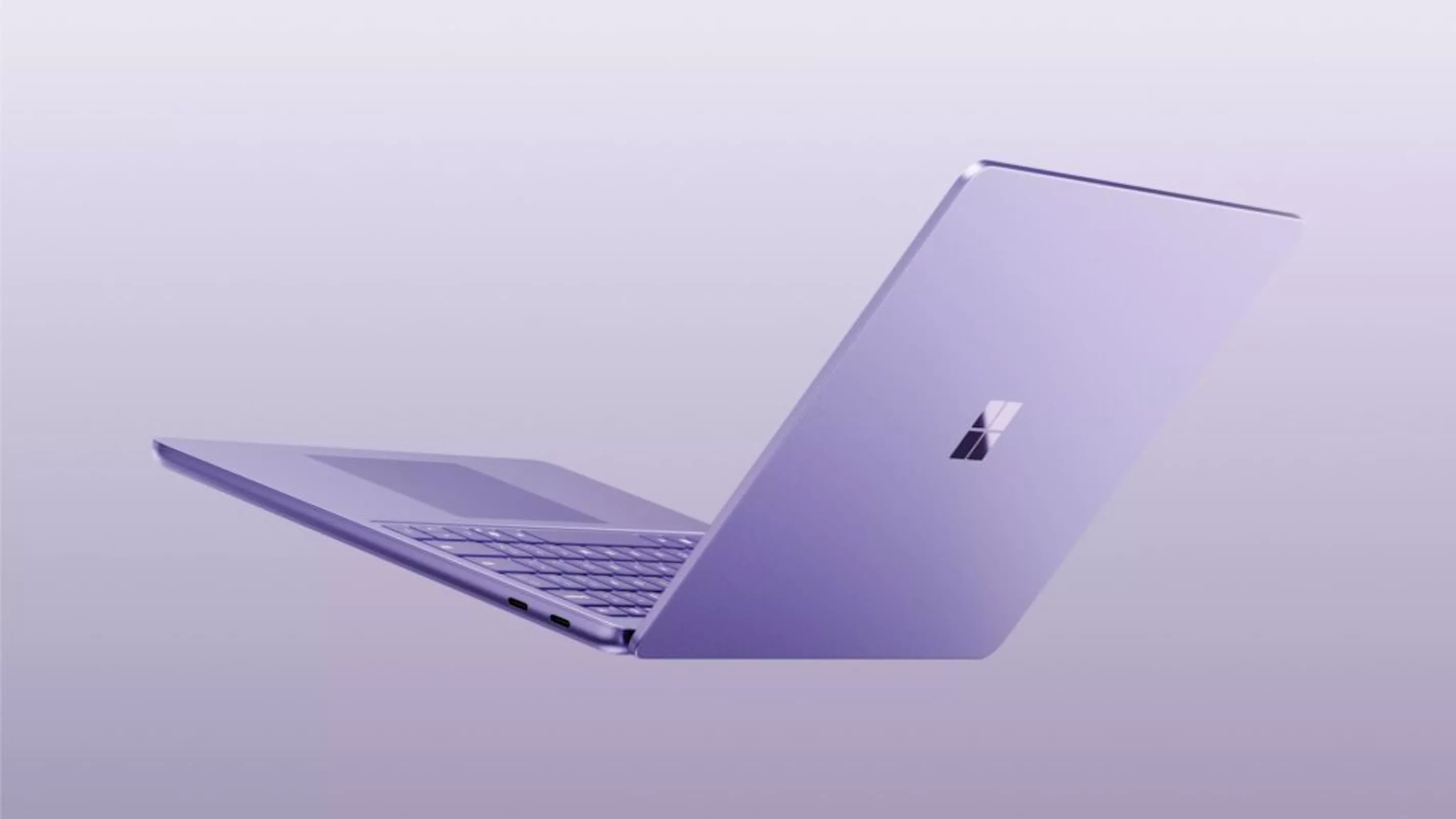
First look: Microsoft is updating its smaller Surface devices with Qualcomm's Snapdragon X2 Plus chip, giving the 12-inch Surface Pro and 13-inch Surface Laptop more processing power for graphics and local AI tasks. The update is a straightforward internal refresh for Redmond, as it keeps the compact Surface designs in place while adding newer Qualcomm hardware, more memory, and improved AI performance. The trade-off for buyers is clear: more capable systems, but at significantly higher starting prices.
The new models go on sale October 13. They look much like last year's versions, with the same screens, ports, and basic designs. The main changes are the processor, a higher starting RAM configuration, and brighter displays.
Prices are also going up sharply. The 12-inch Surface Pro will start at $1,149.99, up from $799.99 for last year's model. The 13-inch Surface Laptop will start at $1,199.99, compared with $899.99 previously.
Part of the increase reflects a change in the base configuration. Microsoft is dropping the 8GB option. Both devices now start with 16GB of RAM and can be configured with up to 24GB.
Microsoft is using a six-core Snapdragon X2 Plus chip in both systems. The company says the processor can deliver up to 18% better battery efficiency, more than 60% faster graphics performance, and up to 95% faster local AI inferencing through its neural processing unit.
These machines are built around the Copilot+ PC platform. The NPU handles supported AI workloads locally instead of relying entirely on cloud services. That can improve responsiveness in AI features and applications designed to take advantage of the hardware.
Microsoft has not detailed the benchmarks behind those performance claims. Its battery estimates point to smaller but practical gains. The updated 12-inch Surface Pro is rated for up to 13 hours of web browsing, an hour more than its predecessor. The refreshed 13-inch Surface Laptop is said to be good for up to 18 hours, two hours more than the earlier version.
The displays are largely unchanged. The Surface Pro has a 2,196-by-1,464 pixel LCD with a 220-pixel-per-inch density and a refresh rate of up to 90Hz. The Surface Laptop keeps its 1,920-by-1,280 display, which has a 178-pixel-per-inch density and a 60Hz refresh rate.
Microsoft did increase brightness on both systems. The new displays reach 500 nits, up from 400 nits on the prior models.
Connectivity and port selection remain the same. Each device has two USB-C 3.2 ports. The Surface Laptop also includes a USB-A 3.2 port and a 3.5mm headphone jack. Both machines support Wi-Fi 7 and Bluetooth 5.4.
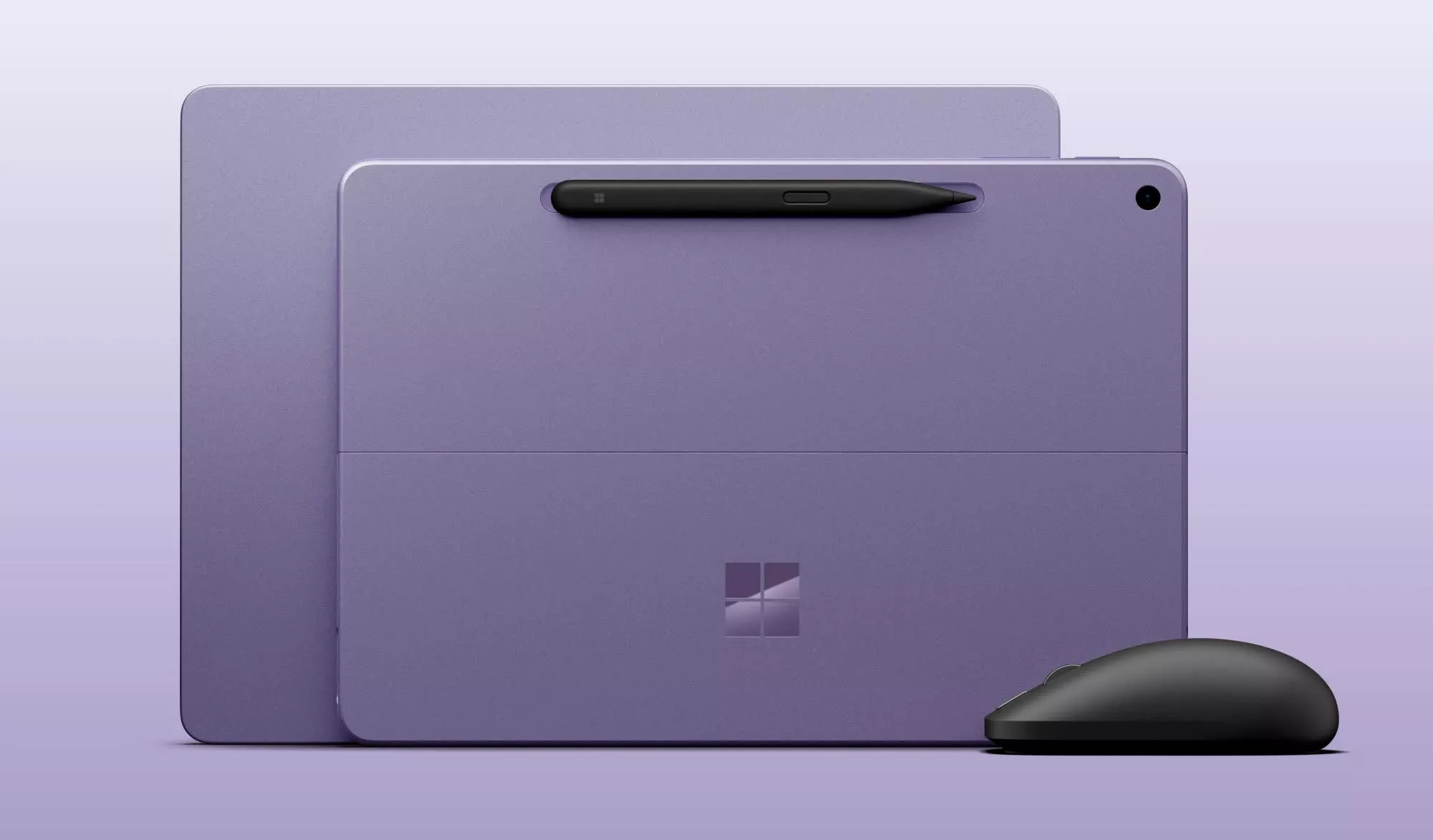
Microsoft did not add haptic trackpads to either device. That stands out because the company is expanding haptic feedback elsewhere in its Surface lineup. The Surface Laptop Ultra has a haptic trackpad, and Microsoft is also releasing a second-generation Surface Mouse with integrated haptics. Windows 11 is adding more subtle haptic feedback for some system interactions as well.
The refreshed Surface Pro and Surface Laptop will be available in black, platinum silver, and violet. Black is returning as a color option for both models. Microsoft will sell the devices to commercial customers, and the 12-inch Surface Pro will be offered with optional 5G.