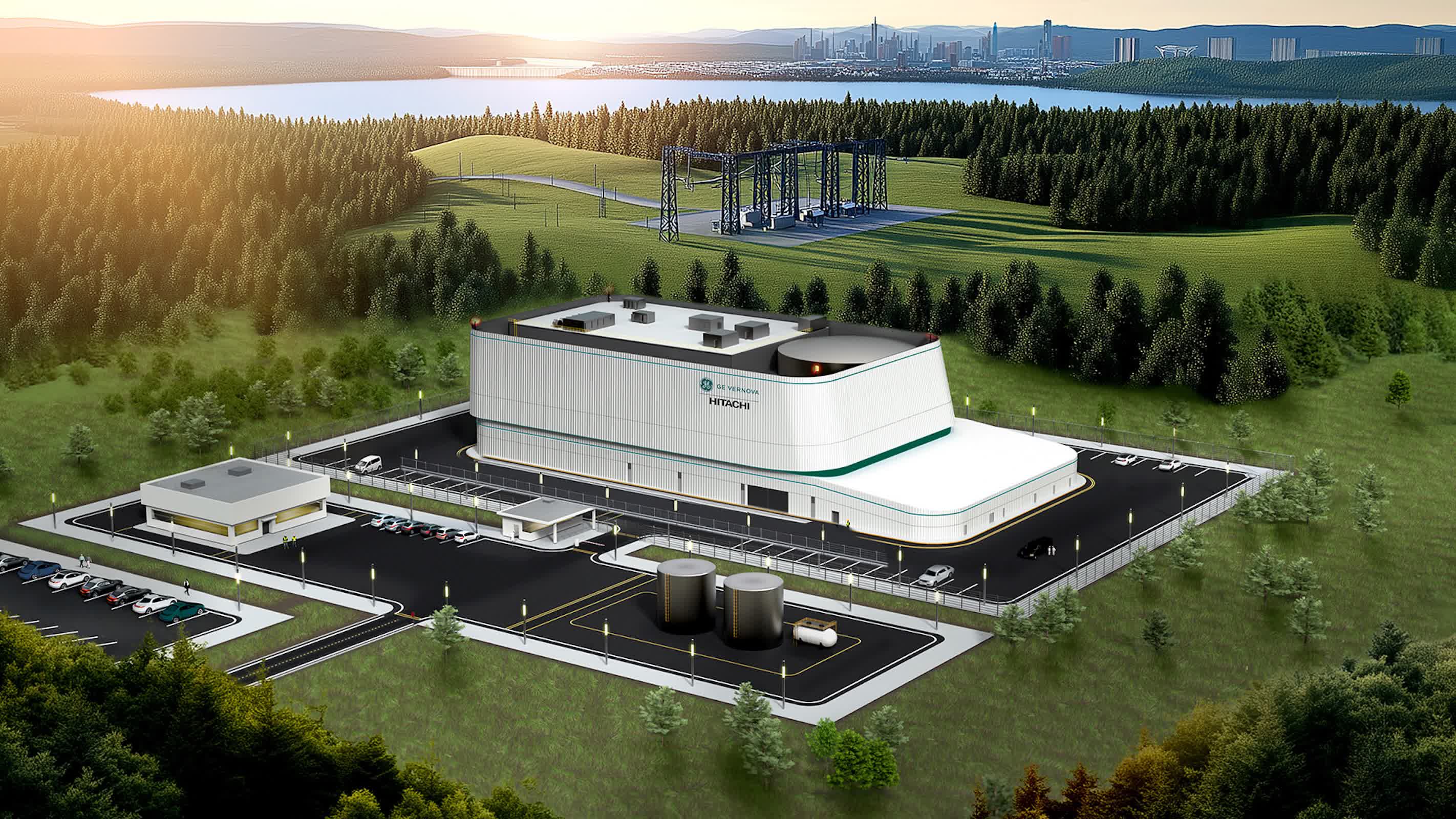
Forward-looking: The Tennessee Valley Authority has received the federal go-ahead to build a BWRX-300 small modular reactor at its Clinch River site near Oak Ridge, Tennessee. The approval makes TVA the first US utility authorized to build the GE Vernova Hitachi reactor design, one of several small reactor technologies now being positioned as a source of round-the-clock power for a grid facing fast-rising demand.
The Nuclear Regulatory Commission completed its review in 14 months, four months ahead of schedule. The permit gives TVA the green light to construct the 300-megawatt unit, but the utility will still need a separate operating license before it can load fuel or generate electricity. "This construction permit is more than a regulatory achievement – it's foundational for America's nuclear future," TVA interim president Mike Skaggs said in a statement.
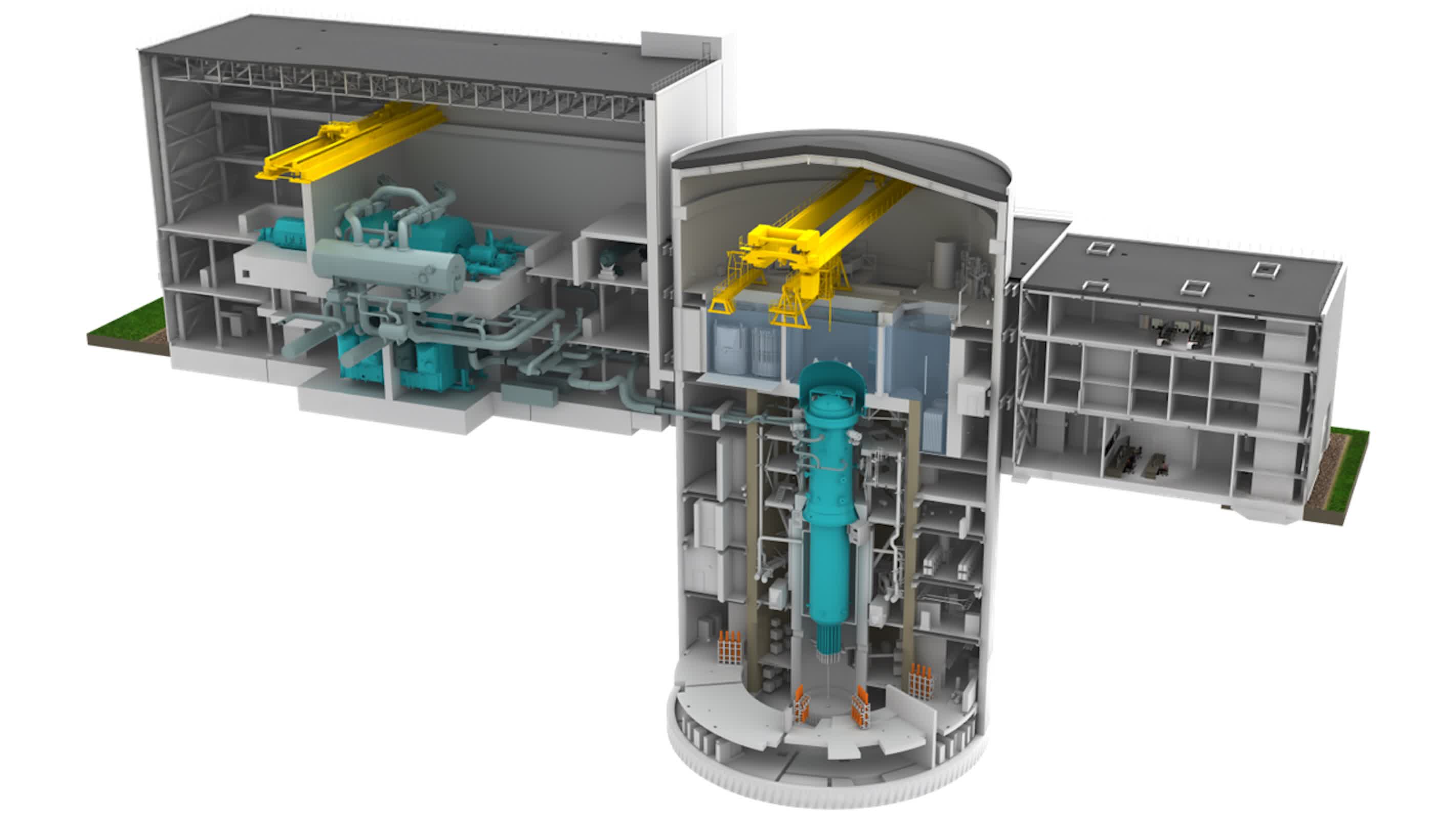
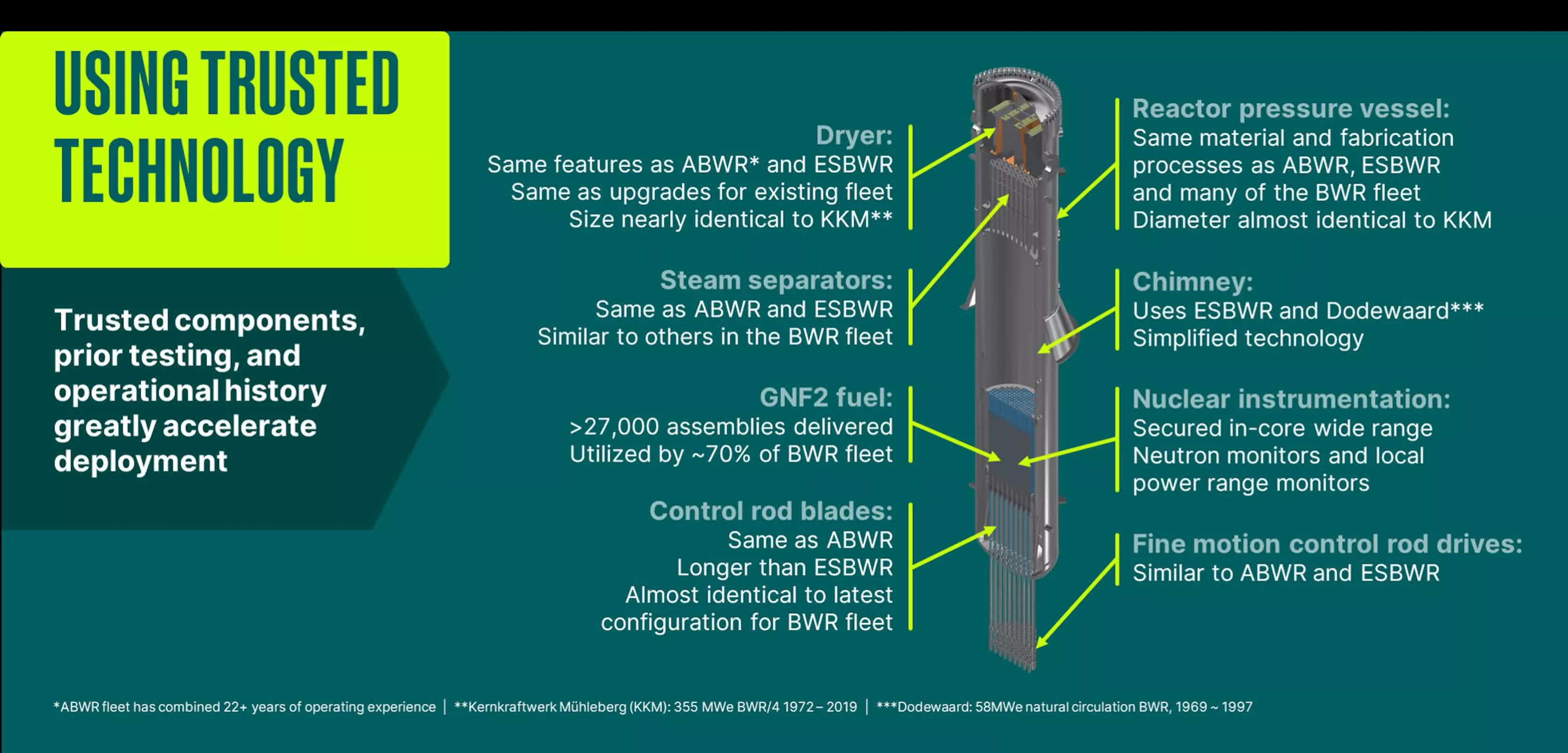
The BWRX-300 is based on boiling-water reactor technology, which has been used in commercial nuclear plants for decades. It is designed to produce 300 megawatts of electricity, or about one-fourth the output of the newest large reactors at Georgia's Vogtle plant.
The technology is meant to simplify the traditional reactor model. The BWRX-300 uses water as a coolant and relies on natural circulation to move water through the system. Its design also incorporates passive safety features that can use gravity, pressure and stored water rather than depending entirely on powered equipment.
GE Vernova Hitachi and its utility customers are betting that a smaller reactor can be built with fewer components, a smaller footprint and more factory-made parts. That could reduce construction time and make projects easier to finance. It remains an unproven argument in the United States, where large nuclear projects have often run late and far over budget.
TVA is evaluating the possibility of building as many as four BWRX-300 units at Clinch River. The utility has not set a construction start date or disclosed a final cost estimate.
The main appeal of the BWRX-300 is not simply its size. It is the prospect of building multiple units from the same design.
Ontario Power Generation is preparing to build a fleet of BWRX-300 reactors in Canada and has installed the foundation for its first unit. TVA and Ontario Power Generation expect that using the same reactor design could help lower costs through shared procurement, manufacturing and construction experience.
Blue Energy is taking a similar approach in Texas. The company has applied for a permit to build BWRX-300 reactors intended to serve data centers and says it plans to manufacture reactor components at scale.
That push reflects growing concern over the power demands of AI data centers. Grid operators and utilities are looking for generation that can operate around the clock without relying on weather conditions. Nuclear power is one of the few low-carbon options that can provide steady output, although new plants remain expensive and slow to build.
Cost is the main driver behind the industry's effort to revive nuclear construction. Vogtle's two newest reactors cost roughly $35 billion and entered service years behind schedule. Developers of small modular reactors say standardized designs and factory production can avoid some of the problems that affected Vogtle.
That claim will be tested at Clinch River. TVA's approval lets the utility begin construction, but the project still must prove the BWRX-300 can be built on time and at a cost utilities and large electricity users will accept.