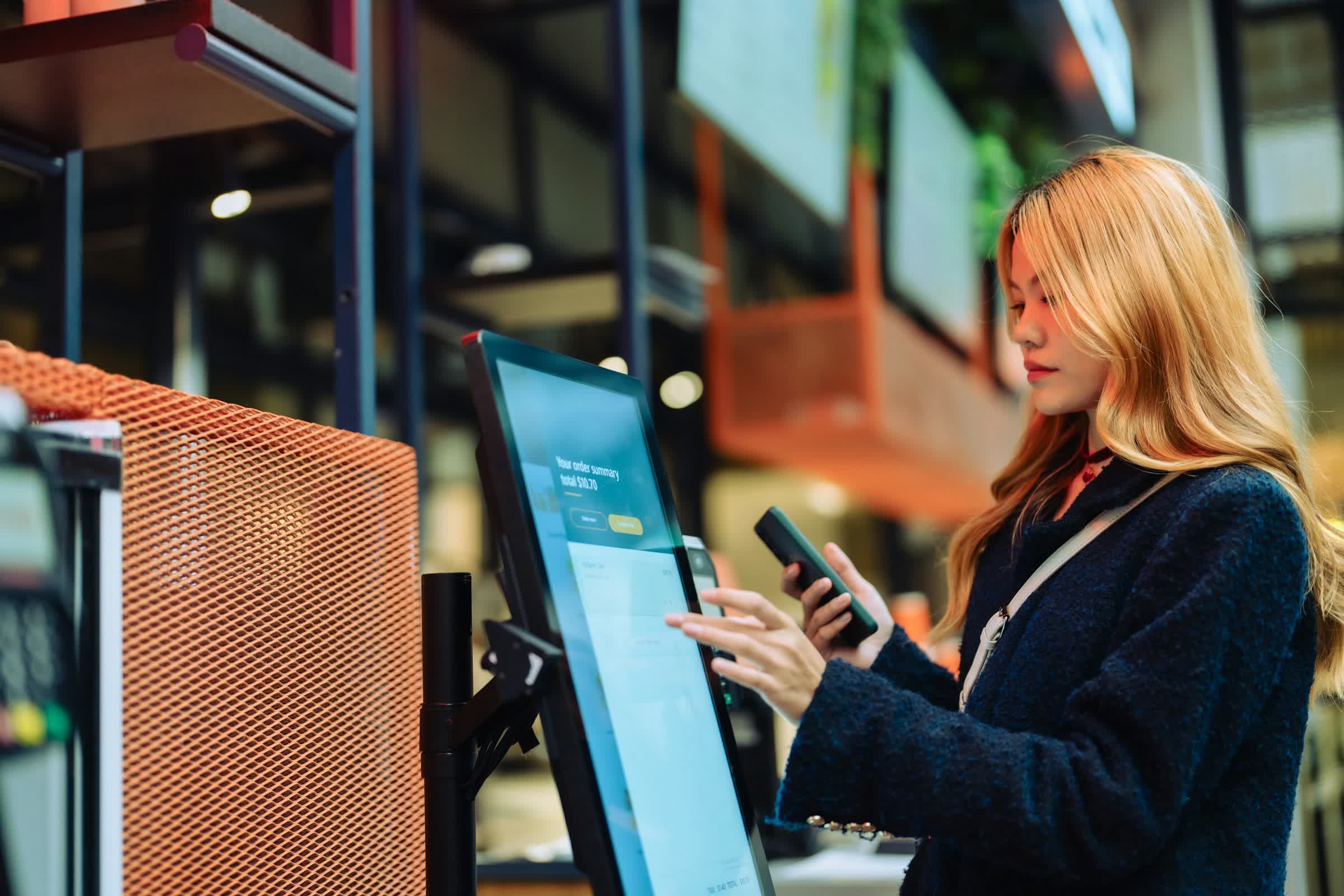
Connecting the dots: The retail and tech industries have long promoted self-checkout as a way to speed up transactions and lower labor costs, but its popularity might be waning. Years of data suggest that the technology increases losses and doesn't actually save much time.
Only about one-third of surveyed retailers plan to invest in self-checkout technology this year, significantly fewer than in 2025, according to an annual retail industry report. While self-checkout lanes have always frustrated some customers, major retailers have only recently either stepped away from the technology or at least slowed down its deployment.
Of 340 retail operators surveyed in 2026's Voice of the Retail Industry Survey, only 36% say they plan to invest in self-checkout, down seven percentage points from last year. Self-checkout was the least popular technology and the only one to see lower interest YoY. Other investments, such as automated invoices, electronic shelf labels, and accounting software, attracted at least 40% of surveyed retailers.
Prior data on self-checkout suggests why: It largely hasn't delivered on its promises and may have revealed why retail still needs trained cashiers.
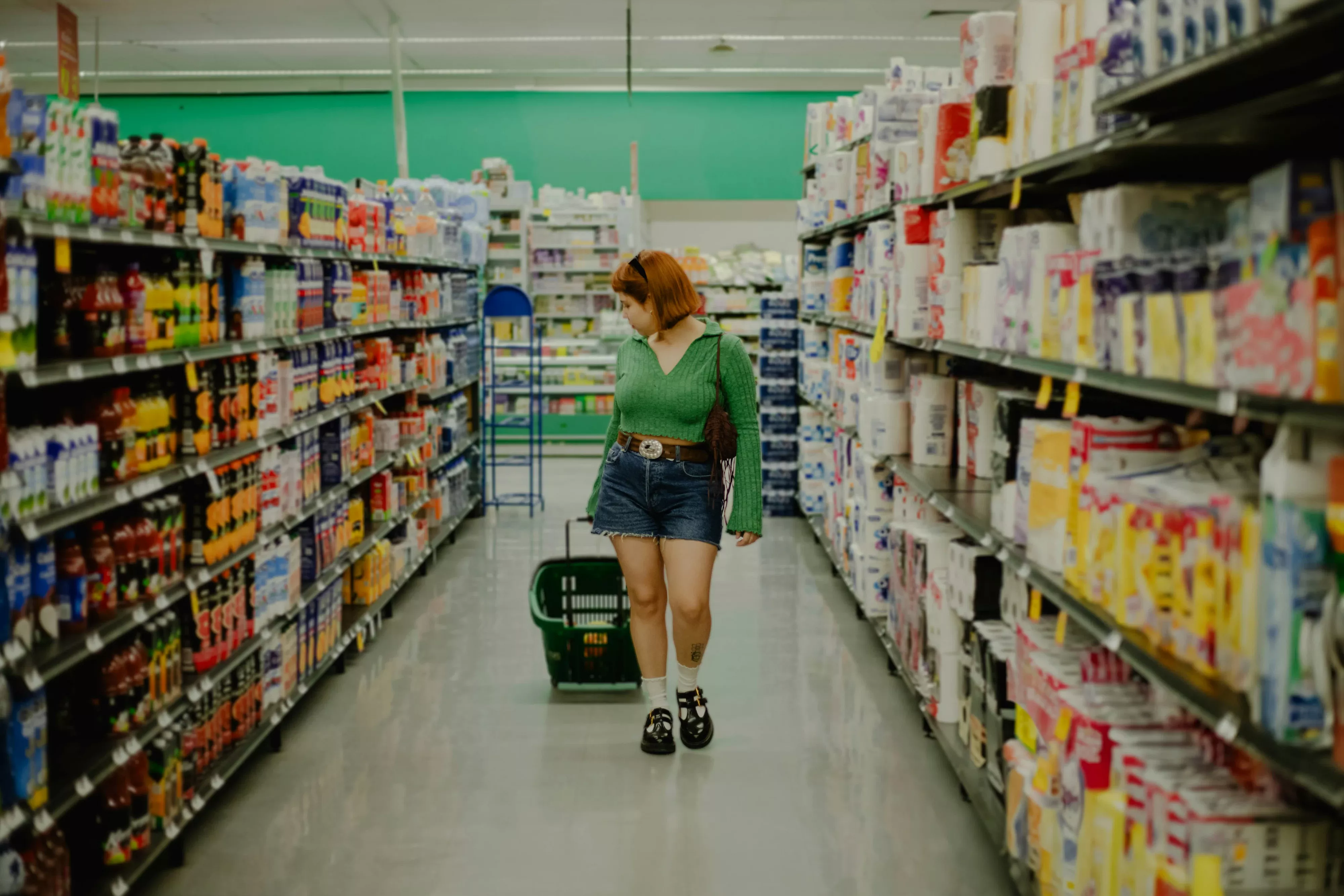
Many likely believe self-checkout saves time compared to a cashier lane, but the opposite may be true. Shortly after the practice began in the late 1980s, Kroger group vice president Donald F. Dufek told The Oklahoman that self-checkout actually takes shoppers longer, but shoppers believe the process is faster because they are the ones scanning items.
Compared with experienced staff, customers typically scan items more slowly and are more likely to make mistakes, thus holding up lines. Many shoppers also likely have stories of machines not scanning items properly. A 2021 survey showed that more than two-thirds of shoppers have experienced issues at self-checkout lanes. The technology also increases retailers' losses from theft, both accidental and deliberate.
Because of these and other issues, retailers still must hire staff to watch and assist customers in self-checkout lanes. In recent years, Walmart, Costco, and Kroger have increased staff involvement in self-checkout lanes. Meanwhile, Dollar General removed self-checkout from 12,000 stores in 2024. Around the same time, Target limited self-checkout lanes to 10 items or fewer because they are most useful for customers buying small numbers of items.
Amazon also famously tried to offload retail labor before changing course. In 2022, the company debuted grocery stores without cashiers or checkout lines but abandoned the idea two years later after admitting it had simply passed the work on to remote cashiers in India.