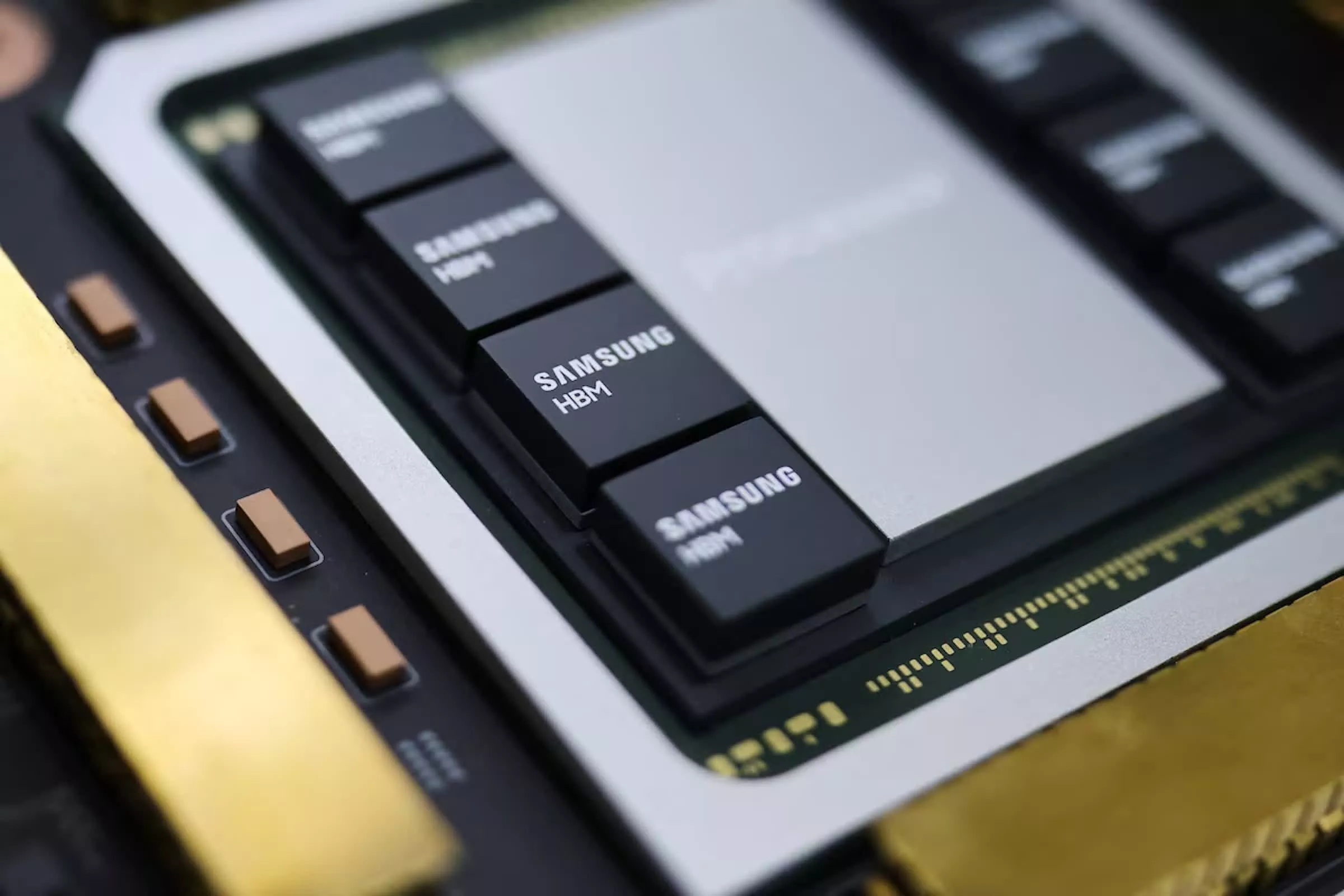
What just happened? The AI-driven memory crisis continues to be a nightmare for everyday consumers, with component prices reaching astronomical levels. But it's a boom time for the companies behind the technology. Samsung, for example, has just reported that its quarterly operating profit is expected to reach $80.2 billion. Not only is that up 782.5% YoY, it would be a world-first for any technology company. Incredibly, though, it still missed some analysts' expectations.
Samsung's preliminary guidance puts operating profit for July through September at 107.4 trillion won ($80.2 billion), compared to 12.17 trillion won ($9.1 billion) a year earlier. Revenue is expected to reach 195 trillion won ($145.6 billion), an increase of almost 127%.
Even compared with the previous quarter, those numbers are enormous. Operating profit climbed 20%, while revenue increased 13.7%. That works out to an operating margin of roughly 55%, meaning Samsung is keeping more than half its revenue as operating profit.
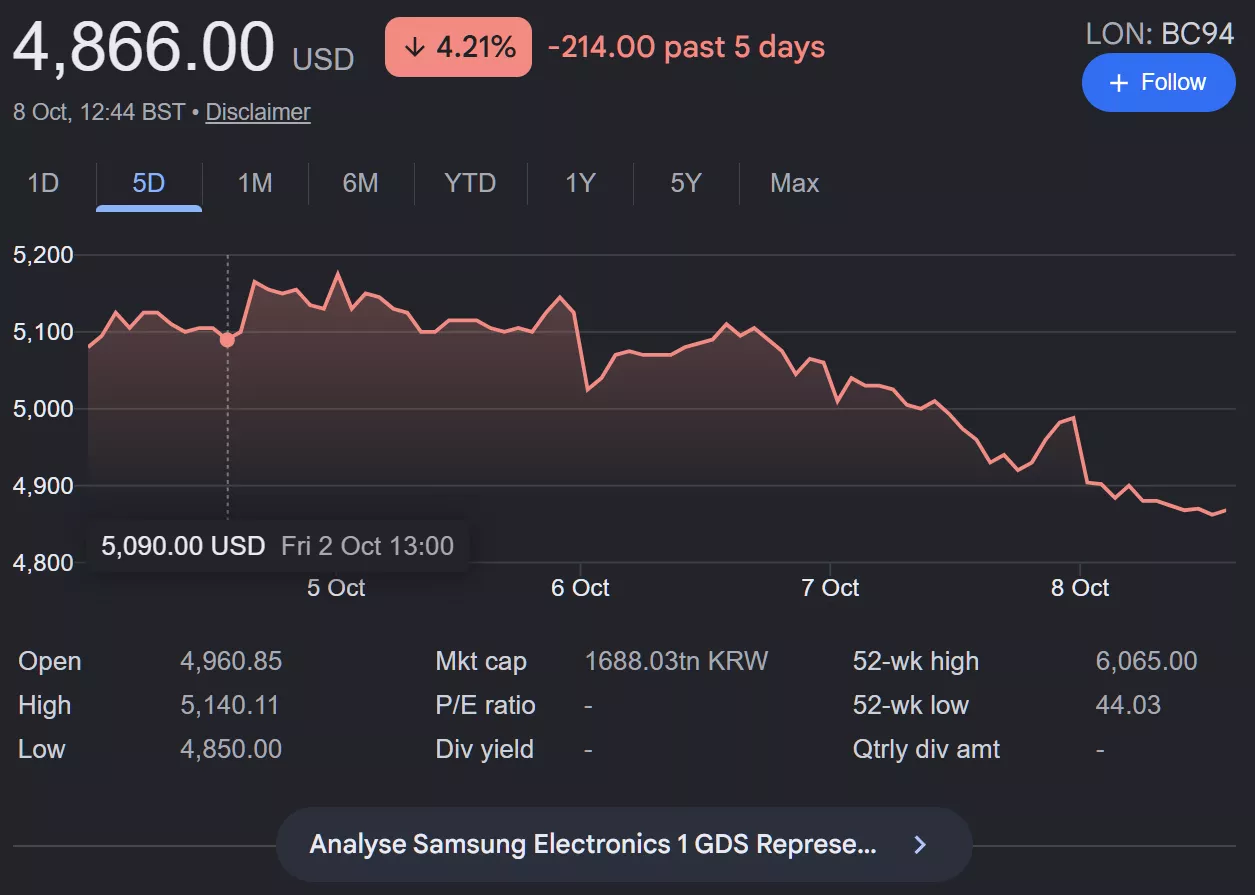
When it comes to expectations, Bloomberg's analyst consensus was 108.7 trillion won ($81.2 billion), leaving Samsung about 1.2% short. However, the company beat the 106.1 trillion won ($79.2 billion) forecast compiled by LSEG. Samsung shares were down 0.7% this morning.
For comparison, Nvidia booked $63.7 billion in operating income in its latest quarter. Samsung's forecast would comfortably clear that figure and mark its fourth consecutive record quarter.
The reason behind these massive figures will surprise nobody who's tried to buy a RAM kit recently. AI infrastructure spending has sent demand for memory soaring, allowing suppliers to put up prices. Samsung previously said it expected supply constraints to persist despite efforts to increase production.
In June, memory industry consultant Ethan Tan predicted price increases of 40% to 50% in Q3, followed by another 30% to 40% in Q4. Those were forecasts, but they illustrate just how bleak things have become for buyers.
The pain goes beyond those building or upgrading a PC, too. Amazon hiked the price of its Kindle, Echo, Fire TV, and eero products in August, with increases reaching 60%. The company blamed rising memory and storage costs.
Samsung has yet to provide a breakdown of this quarter's performance by business division. Its full results are due on October 29, when we should get a clearer picture of how the memory boom is affecting the rest of the company.
Apple and Microsoft have also passed on the costs to the conumers. Apple raised MacBook and iPad prices. Microsoft, meanwhile, added $100 to the entry-level Xbox Series S and $150 to its 1TB consoles as memory costs climbed. It's a tough time to be a tech fan.