A new report accuses Microsoft of using 10 "dark patterns" to keep you on Edge

midian182

Posts: 12,024   +183
Staff member
A hot potato: It's no secret that when it comes to pushing its Edge browser onto users, Microsoft isn't afraid to play dirty. There have been numerous stories about the aggressive tactics the company uses, and other browser makers aren't happy about it. Now, a new report dives into the "dark patterns" Microsoft adopts to get more people onto Edge.
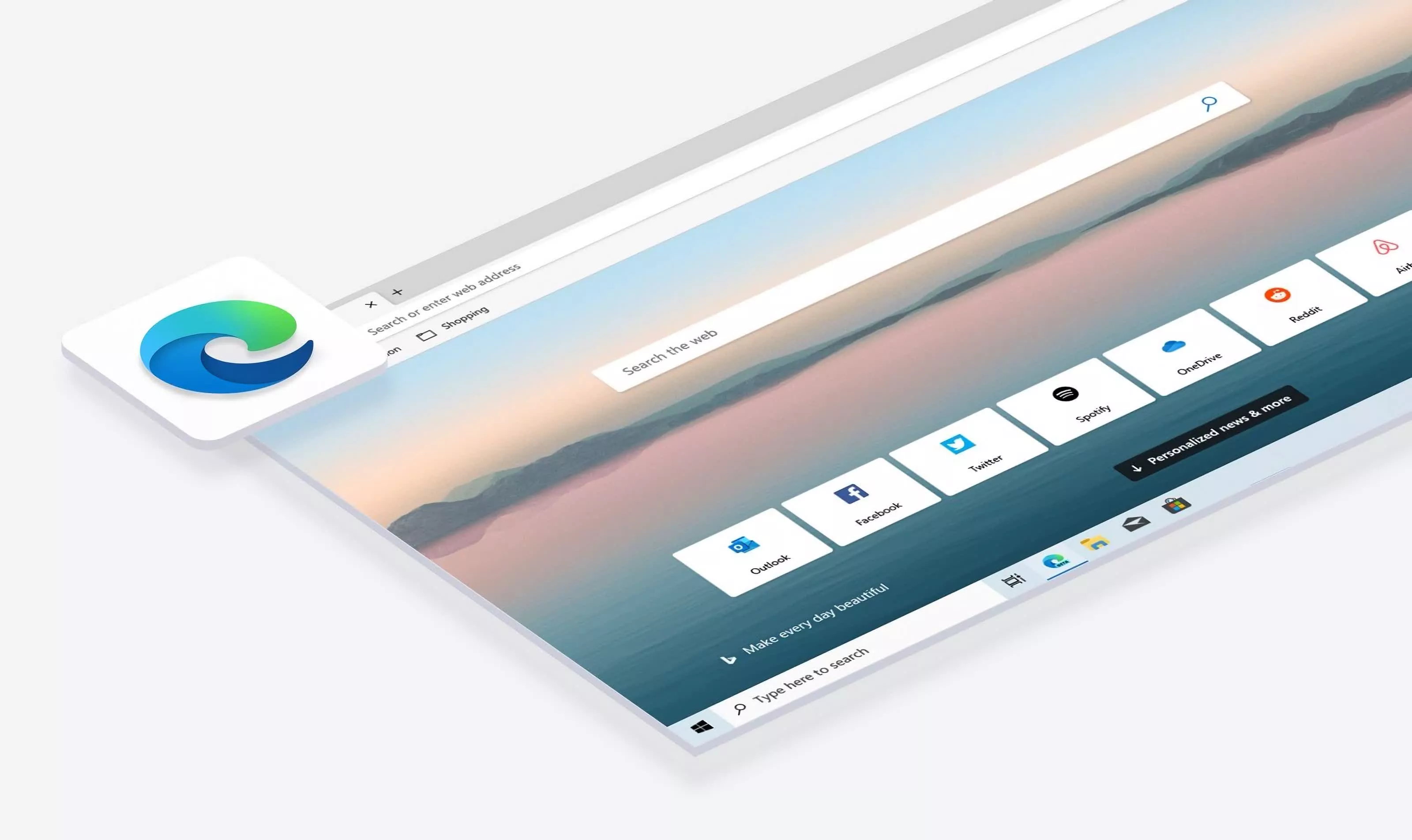
The Browser Choice Alliance (BCA), a group of browser makers advocating fair competition and freedom to choose a browser, commissioned the report, which was produced by the Behavioural Insights Team (BIT).

The report maps any harm to users from Microsoft's PC browser choice practices, focusing on dark patterns that are used by the company.

For those unfamiliar, dark patterns are designs that steer people into choices they wouldn't otherwise make, such as hiding a decline button or making cancellation difficult.

BIT identified 10 dark patterns that it said make it harder to choose a browser other than Edge or subvert a user's choice of an alternative browser after that decision has already been made. These are:

1. Pushing Edge ads when you search for rival browsers: Banners try to talk you out of downloading another browser and steer you back to Edge.

2. Making the switch incomplete: Setting another browser as your default still leaves files like PDFs assigned to Edge, requiring more changes.

3. Restricting alternatives through Windows S mode: Users have to leave the restricted mode before they can install competing browsers.

4. Ignoring your choice in Windows Search: Web results open in Edge even when you've chosen another default browser.

5. Sending Widgets and lock-screen links to Edge: These parts of Windows bypass your preferred browser, too.

6. Forcing News and Interests links into Edge: Clicking stories in Windows 10's news feed opens Microsoft's browser instead of your chosen one.

7. Giving Outlook and Teams separate browser settings: Links can open in Edge unless you change settings inside those apps as well.

8. Blocking tools that help you avoid Edge: Microsoft has blocked workarounds that redirect Edge-only links to your preferred browser.

9. Pulling another browser's tabs into Edge: The report describes tabs from competing browsers reopening in Edge when you sign in.

10. Pushing you back toward Edge after updates: "Recommended settings" prompts make accepting Microsoft's browser settings easier than keeping your own.

BIT also identified practices that make Edge seem easier to use and safer than rival browsers, potentially without supporting evidence, including blocking its removal and showing strong safety warnings when users leave S mode.

Source: StatCounter Global Stats - Browser Market Share

The report concludes that Microsoft's tactics work together to make switching away from Edge harder and sticking with another browser more frustrating. It says this undermines user choice, wastes time and particularly affects people without a strong browser preference.

European users face fewer barriers, but the problems haven't disappeared. In 2025, Microsoft said it had stopped nagging users in the European Economic Area to set Edge as their default browser as part of its compliance with the Digital Markets Act.

This isn't the first time BCA has called out Microsoft over Edge. It sent a letter to Microsoft CEO Satya Nadella in June demanding it stop burying rival browsers.

Permalink to story:

 
All these tech companies has become deceiving, they all play dirty.

What they don't seems to grasp is that trust is easily broken and very hard to gain again.

No wonder people try and move away from US companies.
 
The regrettable part is that Edge is quite a good browser, but using manipulative tactics drives people away. Build a solid product and let the users come; don't chase after them.

Microsoft has been doing this for decades, but to be fair, the others do it too, in a more cunning fashion.
 
Microsoft aggressively tried to force me to use Edge some years ago when I bought a new laptop. Because I hate coercion, I have refused to even try Edge ever since and never will no matter how good it gets. If they can't persuade me, forget it. I refuse to bend to coercion. Too late for persuasion now. They chose coercion so my mind is permanently made up.
 
Testament to what a crock of sh1t it is that despite all this it still has next to no market share. Also testament to how low MS have gone that they gave up even trying to write their own browser and just freeloaded on Chromium and put a feature-sparse browser shell around it. Once again MS demonstrating their complete inability to produce decent software anymore.
 
Testament to what a crock of sh1t it is that despite all this it still has next to no market share. Also testament to how low MS have gone that they gave up even trying to write their own browser and just freeloaded on Chromium and put a feature-sparse browser shell around it. Once again MS demonstrating their complete inability to produce decent software anymore.
That's not what happened.

Once chrome was dominant, Google used it to play dirty and make web standards that would break things on other browsers. They did this relentlessly for many years. Switching to chromium was necessary to end Google's BS.

In a legal system that kept up with tech, what Google did almost certainly would have been illegal.
 
Testament to what a crock of sh1t it is that despite all this it still has next to no market share. Also testament to how low MS have gone that they gave up even trying to write their own browser and just freeloaded on Chromium and put a feature-sparse browser shell around it. Once again MS demonstrating their complete inability to produce decent software anymore.
While Microsoft should have continued with Trident and Internet Explorer, which had brand recognition, it wouldn't be fair to call their use of Chromium freeloading. The latter's layout engine descends from Apple's WebKit, itself a fork of KDE KHTML. Google does the bulk of the work, but Microsoft programmers have been prominent contributors, and notably got ClearType working, giving crisp text for all Chromium browsers on Windows.
 
While Microsoft should have continued with Trident and Internet Explorer, which had brand recognition, it wouldn't be fair to call their use of Chromium freeloading. The latter's layout engine descends from Apple's WebKit, itself a fork of KDE KHTML. Google does the bulk of the work, but Microsoft programmers have been prominent contributors, and notably got ClearType working, giving crisp text for all Chromium browsers on Windows.
IE had such a bad reputation though
 
IE had such a bad reputation though
It did, especially in the 6 and 7 days. But I reckon that IE was on a roll from 9 through 11. A class act, in a time when Chrome looked like a piece of scrap bolted together. Somehow, through their control of search, mail, and hearsay, Google sucked the world into Chrome.
 
That's not what happened.

Once chrome was dominant, Google used it to play dirty and make web standards that would break things on other browsers. They did this relentlessly for many years. Switching to chromium was necessary to end Google's BS.

In a legal system that kept up with tech, what Google did almost certainly would have been illegal.
It wasnt necessary. See also: Firefox.

Microsoft just gave up because they didnt want to fund a browser war. Even though their browser was arguably better. A short sighted decision.
It did, especially in the 6 and 7 days. But I reckon that IE was on a roll from 9 through 11. A class act, in a time when Chrome looked like a piece of scrap bolted together. Somehow, through their control of search, mail, and hearsay, Google sucked the world into Chrome.
Scrap? Google during the days of 9 through 11 was a far superior browser. It was much faster and didnt have IE's horrible hangups.

and IE was SLOW by comparison. Even firefox, which was stuck as single threaded trash at the time, was noticeably faster.
 
Scrap? Google during the days of 9 through 11 was a far superior browser. It was much faster and didnt have IE's horrible hangups.

and IE was SLOW by comparison. Even firefox, which was stuck as single threaded trash at the time, was noticeably faster.
Subjective, but in my opinion, Chrome looked poor aesthetically and gave off an atmosphere of amateurism. Chrome's selling point was "it's the fast, new browser from those friendly, don't-be-evil people in Mountain View."

IE was slow during version 8 and before, but IE 9 largely fixed performance by moving to a multithreaded and GPU-accelerated architecture. 10 and 11 made headway in standards compliance and further improved performance.

IE 6 and 7 were rubbish, the latter crashing all the time. IE 8 was a big jump in stability.
 
It did, especially in the 6 and 7 days. But I reckon that IE was on a roll from 9 through 11. A class act, in a time when Chrome looked like a piece of scrap bolted together. Somehow, through their control of search, mail, and hearsay, Google sucked the world into Chrome.
No IE had a bad repetition to its death, people wanted to use basically anything else
 
Back