
Facepalm: Paraguay's central bank has seized Ueno Bank after examiners looking at the digital lender's loans to companies linked to its owners found poorly documented lending and expenses the bank had wrongly counted as assets. Once those errors were corrected, Ueno's capital fell to less than half the legal minimum, and the bank's app, cards and transfers went dark as its branches locked their doors. About 3 million customers, in a country of 6.5 million people, were cut off from the savings, payments and benefits they handled through the bank.
The warning signs went back months. ABC Color, a leading Paraguayan newspaper, reported in June that central bank inspectors found a pattern of risky insider lending. Ueno had lent large sums to owner-linked companies beyond legal limits and without enough collateral to cover the debts if they went bad.
Prosecutors have charged 27 bank officials and associates with breach of trust and attempted fraud. They allege that some of the money lent to related companies was diverted to other businesses in the group. On Thursday, a judge ordered six executives jailed pending trial, including founder Miguel Vázquez and bank President Juan Manuel Gustale, and put two others under house arrest. All eight had turned themselves in after arrest warrants were issued.
Gustale's lawyer, José Fernández Zacur, argued that senior executives relied on staff for lending decisions. "The president or board is not responsible for deciding who receives a particular loan," he told local media.
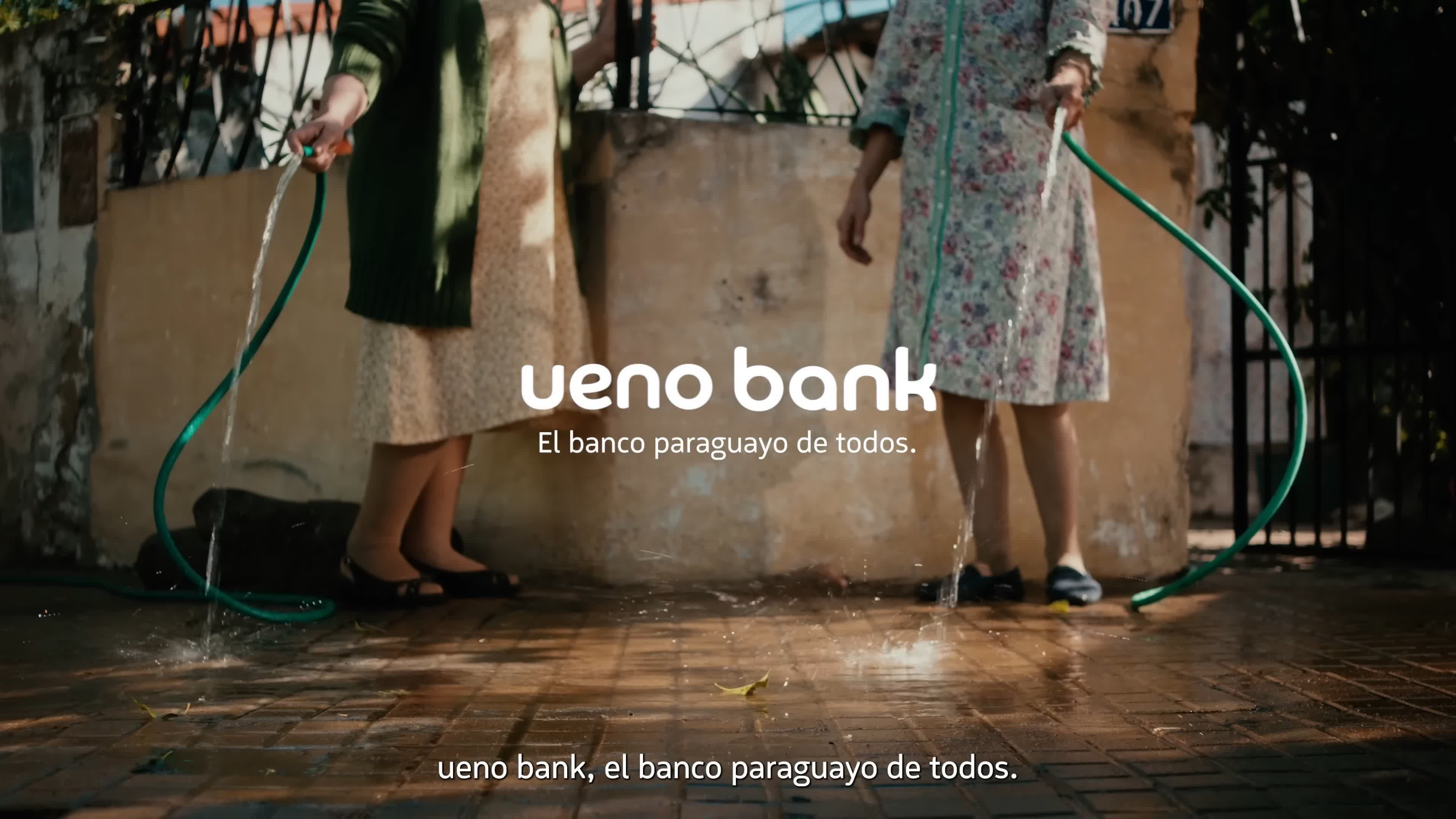
Ueno grew quickly. It was a rebranded version of a decades-old finance company and won its banking license in 2023. In less than five years, it went from an obscure lender to a household name that claimed more than 60% of Paraguay's adults as customers. Generous cash-back offers on groceries brought in users. The bank also opened more than 70 locations, sponsored the national soccer team and put its name on the country's main stadium. That logo has since been removed.
The bank also held a large share of public money. As of last month, Ueno reported about $800 million in public deposits, roughly a quarter of its total. That included money from the state pension and health fund and from the operators of Paraguay's hydroelectric dams.
Those deposits are at the center of the political fight. Peña appointed Carlos Carvallo, the former president of Ueno's predecessor, Financiera Ueno, to run the central bank that supervised the lender. Earlier this week, the central bank chief resigned at Peña's request. Peña also had ties to Grupo Vázquez, which owned Ueno until March 2025. He says he sold his stake in the group that month and had no improper role in the bank's affairs. As recently as last month, he called concerns about Ueno a smear campaign.
– Santiago Peña (@SantiPenap) November 5, 2026
Opposition lawmakers accuse Peña of conflicts of interest, misuse of pension funds and helping shield the bank from scrutiny. He denies wrongdoing and says the matter is a regulatory issue for the courts. His own Colorado Party turned on him anyway. Party leader and former President Horacio Cartes backed impeachment and said the party would not side with "the plundering of public and private funds and pensioners' money."
In a video posted to X, Peña said he was stepping down for "the stability of our country, social peace and the need to preserve our democratic institutions." He also apologized. "I want to apologize to the people if I have failed them at any point," he said. "It was never my intention to betray the trust they placed in me."
Peña said he would still appear before the Senate to "exercise my right to a defense." Congressional leaders were expected to accept his resignation, which would let Vice President Pedro Alliana take office without a Senate trial. Opposition senators are still pushing for one. They argue that a resignation would keep Peña eligible to become a senator for life, with legal protections that could prevent his prosecution. Alliana has distanced himself from Peña and put his own presidential ambitions on hold until the crisis is resolved.
The crisis has hit the economy as well. The guaraní fell nearly 4% against the dollar on Thursday, bringing its loss for the week to nearly 7%, according to central bank exchange-rate data. The Labor Ministry estimates about 7,000 direct and indirect jobs at the bank and related businesses have been affected. Outside the Labor Ministry, young employees still in Ueno uniforms burned their credit cards and demanded severance and unpaid wages.
Peña urged a fast fix for the customers still locked out. "Clarifying the facts and resolving the payments are obligations that must advance at the same time," he said.