
In a nutshell: The AI boom needs every spare gigabyte of RAM and GPU cycle it can get. Just a few days after OpenAI CEO Sam Altman controversially complained about memory sitting idle in consumer devices, Microsoft filed a patent describing how it might pay users to train AI on their idle devices.
Filed earlier this month and quickly noticed by Patentlyze, the patent would monitor consenting users' devices and assign them AI training workloads during periods of low or no usage. Users might receive store credit or advanced access to AI models as compensation.
As the patent explains, training AI models requires massive processing power, and GPUs are uniquely suited to these tasks. Furthermore, the computational cost of training models is growing with their complexity.
Those costs are also straining GPU manufacturing capacity. Memory shortages from the AI data center buildout aren't the only reason consumer GPUs are becoming unaffordable. The situation has also made server GPUs a more lucrative use of wafers for GPU manufacturers than manufacturing RTX 5090s. AMD CEO Lisa Su recently described the GPU builder as a data center-first company.
The RAM market is experiencing a more extreme version of the problem, increasing prices of various consumer devices. Manufacturing capacity is becoming so strained that Sam Altman recently claimed RAM is more useful in AI companies' servers than in home devices, where it often sits idle. The comments drew widespread anger. Microsoft's patent would claw back some of that idle GPU capacity.
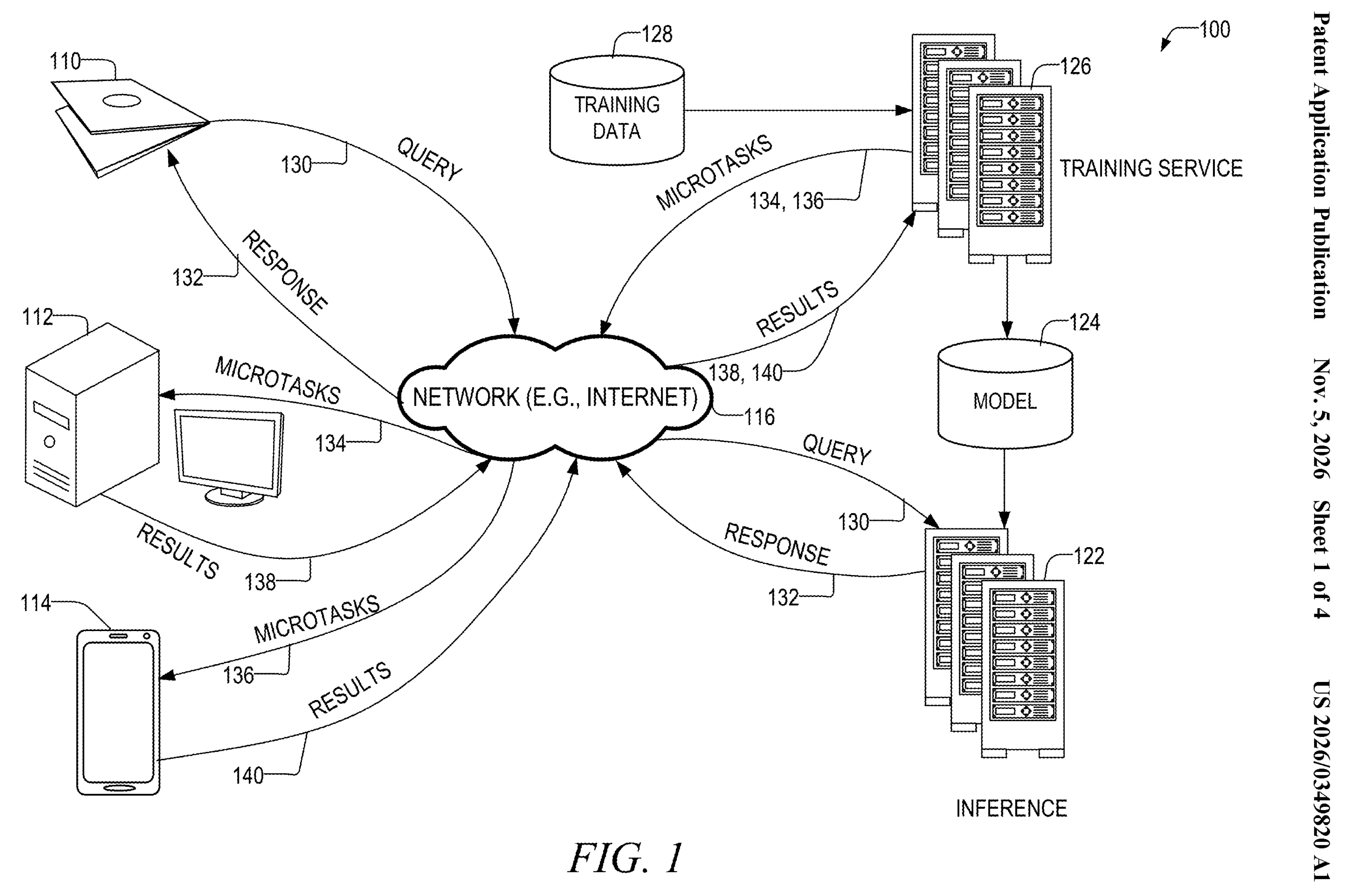
Its first diagram shows a training network consisting of servers, desktop PCs, and smartphones, suggesting Microsoft's system could also tap into idle mobile devices.
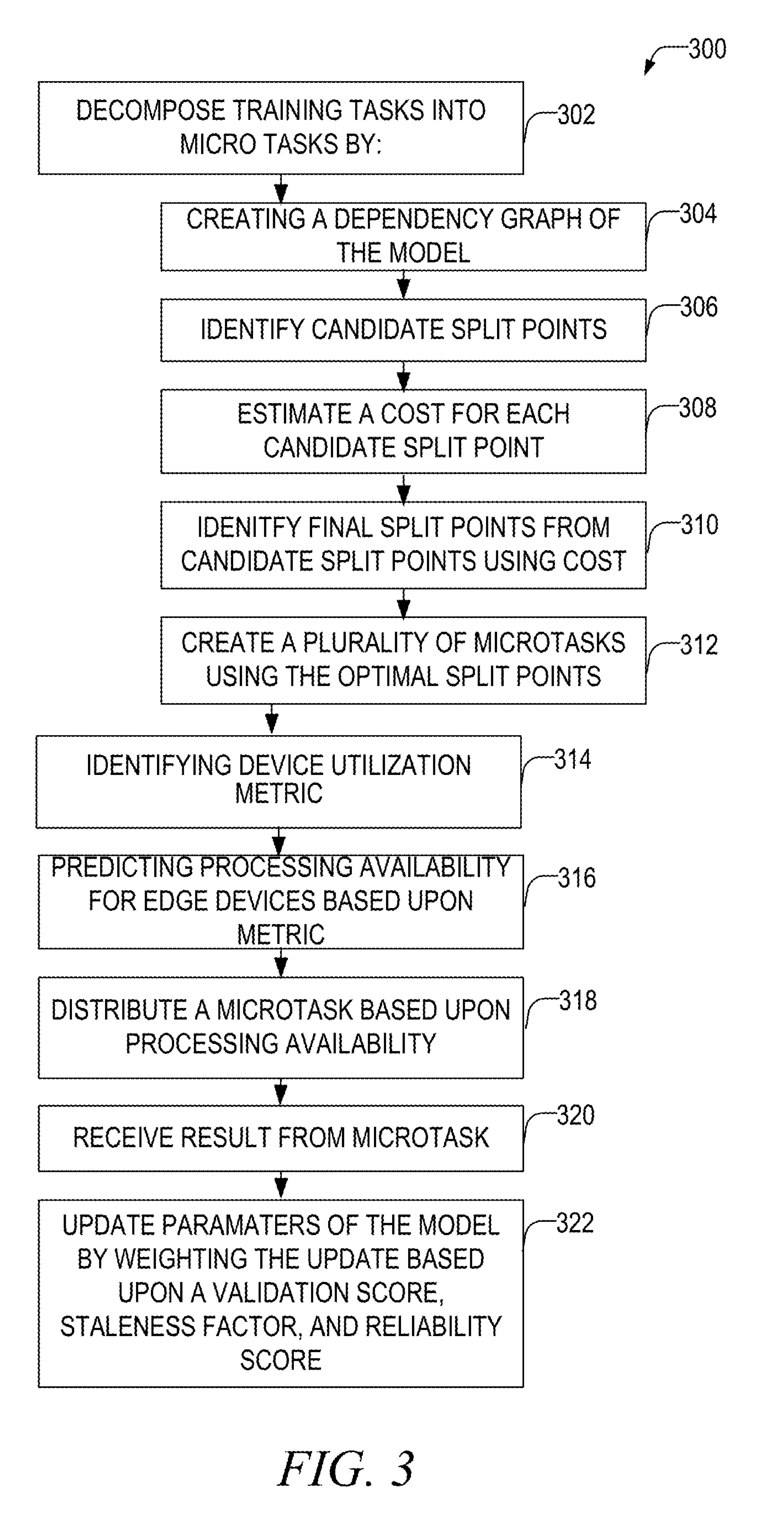
Microsoft would monitor their CPU and GPU utilization, memory usage, temperature, power consumption, memory bandwidth, and compute queue depth to determine how much they can spare and when.
Training workloads would be divided into micro-tasks and assigned to subscribed devices based on availability and their reputation for accurate results. Users who consent to lending their spare cycles to AI training might receive monetary compensation, software credits, or access to the models they help train.
It remains unclear whether this patent will see the light of day, but AI-related patents have become a trend in the years since the boom started. A recent one from Microsoft proposes editing livestreams in real time to rewrite or translate words while adjusting speakers' lip movements to match.