
The big picture: AI companies usually rent their power rather than own the machines that generate it. Anthropic was planning such a deal with a supplier in Texas, too. But the Claude maker reportedly scrapped that plan and went after the supplier's generators instead. It agreed to pay roughly $3.4 billion to take them over. That's enough gas-fired equipment to produce 1.7 gigawatts of power.
The deal makes it the largest known purchase of power-generation gear by any AI lab, according to the Financial Times. Anthropic signed the agreement back in late September with San Antonio-based supplier OnePWR Solutions. OnePWR had ordered the generators from Caterpillar about two years earlier, but it was still short on the financing needed to complete the purchase.
Along with the hardware, the company picked up the engineering and construction work needed to install it. It didn't buy OnePWR itself, though, so none of the supplier's staff moved over.
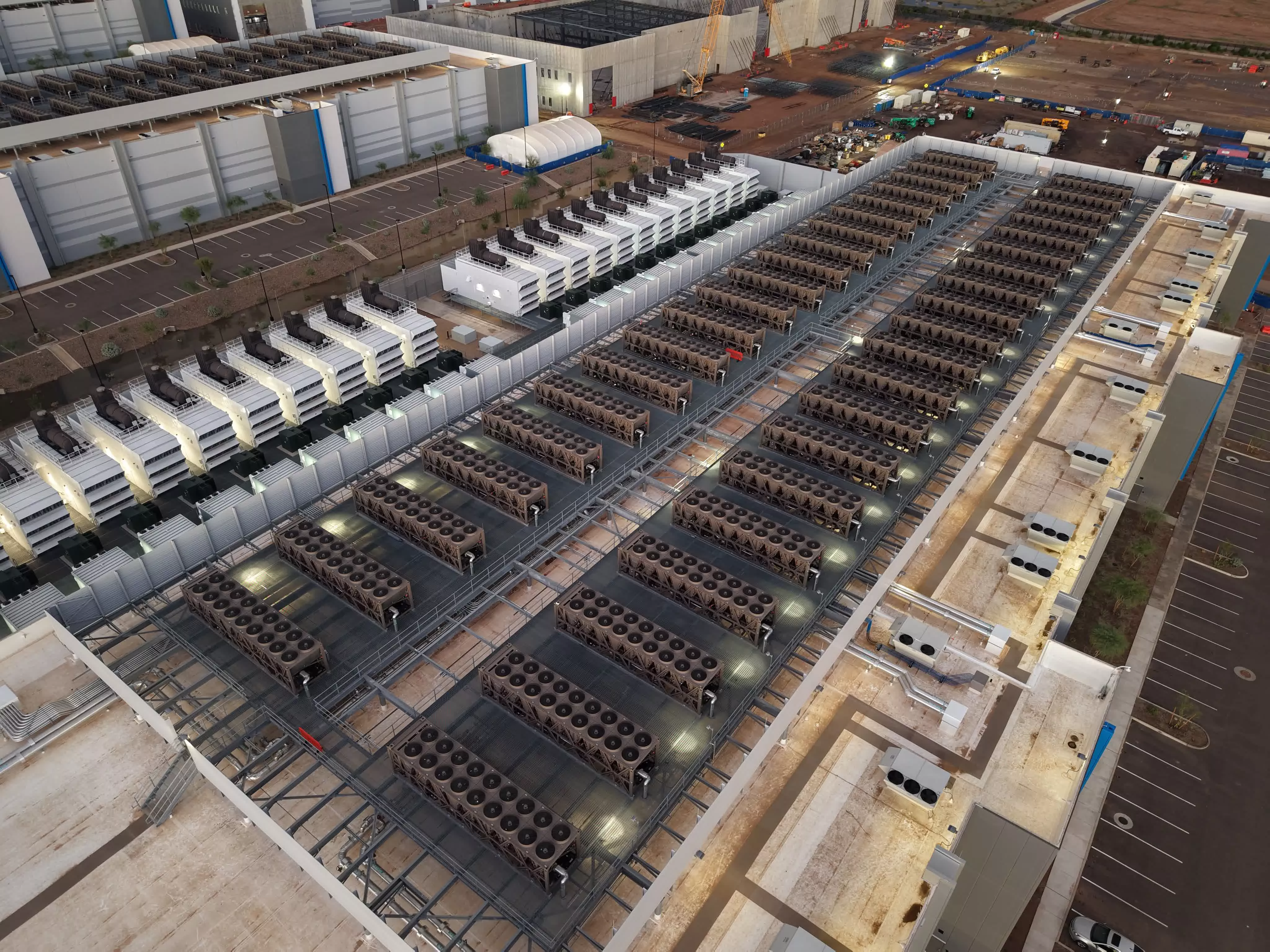
Because those orders were already sitting in Caterpillar's production schedule, the generators should start arriving soon, with deliveries continuing over the next two years. The FT notes they were also ordered before generator prices started climbing, so Anthropic may have locked in older pricing as well.
Placing a fresh order today would likely mean waiting years longer. That's because turbine makers can only build an estimated 60 to 70 GW of capacity annually. Global orders, meanwhile, have reportedly blown past 100 GW. That's why some new US orders are already being pushed out to 2030 or 2031.
The grid isn't much help either, since hooking up a new data center can take up to seven years. Some developers have even resorted to running old jet engines on site.
Elon Musk's xAI, for one, spent $2 billion on mobile gas turbines earlier this year to keep its data centers running. Anthropic actually rents computing capacity from xAI's parent company, SpaceX – a bill that's expected to hit $3.1 billion a month by the end of the year. The entire generator deal costs only a little more than one month of that rent.
Running all those generators will take a lot of gas, though. The company's IPO filing, made public last month, already warned that competing with hyperscalers for the same supply and pipelines could increase fuel prices. For now, there's no word on where the generators will actually end up.

