
Facepalm: Security researchers recently discovered a peculiar cybersecurity incident involving POS systems using outdated Microsoft software. The operation relied on an old Windows bug and repurposed publicly available proof-of-concept exploit code, significantly increasing the risk of financial fraud for a large number of unsuspecting cardholders.
Unknown cybercriminals spent months or even years harvesting critical data about millions of credit card transactions on point-of-sale (POS) systems. The operation was eventually discovered because the crew left a server exposed to public access. After breaking in, security researchers found a massive trove of revealing data, including malware source code and details about how the operation came about.
The main culprit behind the malicious operation was a security vulnerability affecting several versions of Windows 10, 11, and Windows Server. Tracked as CVE-2024-49138, this Windows Common Log File System Driver Elevation of Privilege Vulnerability could be exploited to gain SYSTEM-level privileges on a vulnerable Windows system
The CVE-2024-49138 vulnerability, which had a CVSS base score of 7.8 out of 10, was reportedly fixed by a patch Microsoft released in December 2024 for all affected Windows versions. But the cybercriminals were still able to exploit the flaw and compromise over 700 POS machines using the Windows operating system. After successfully infecting the vulnerable machines, they deployed a remote access trojan (RAT) to collect data coming through the POS terminals.
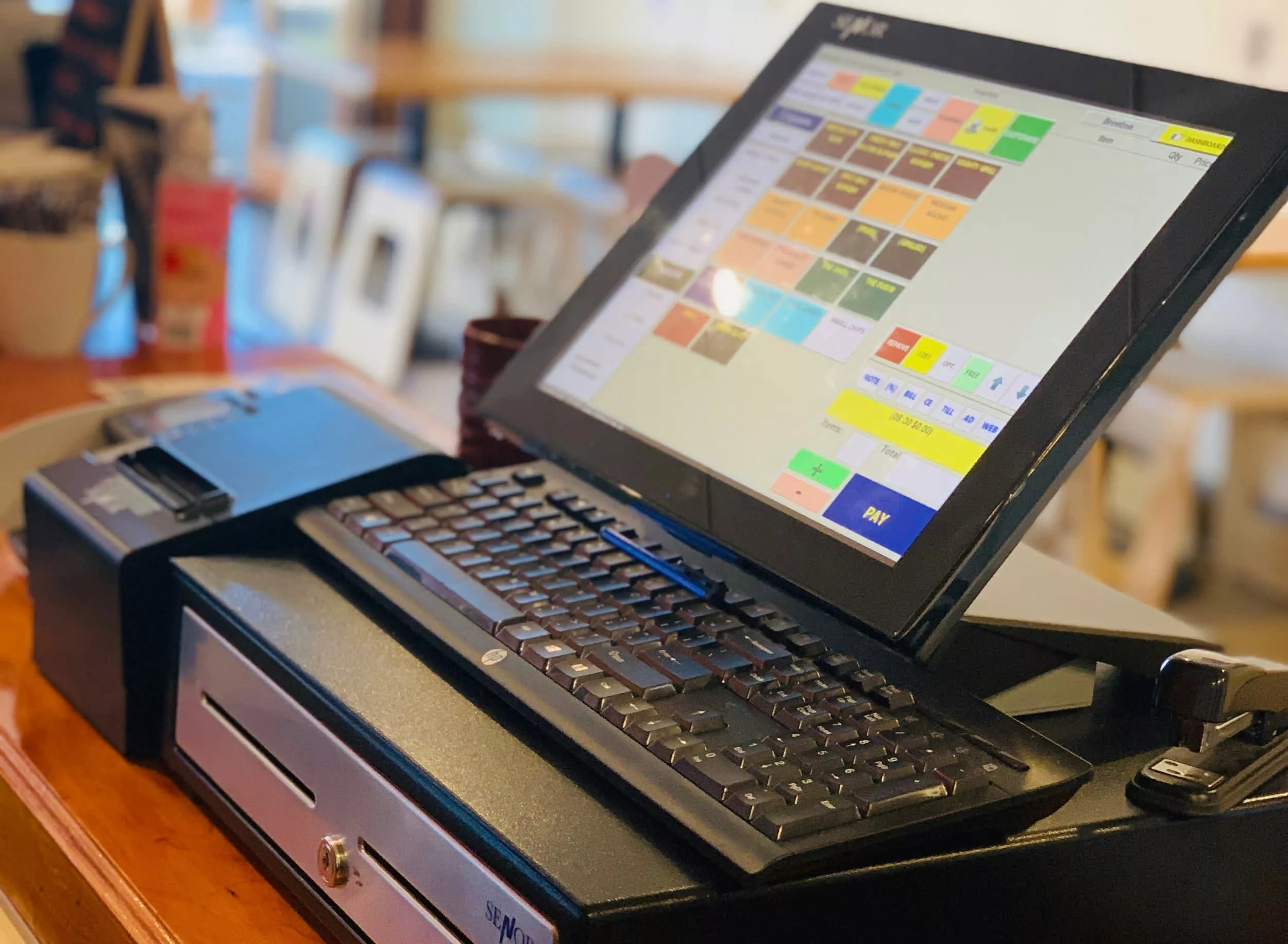
According to the data found on the exposed server, the RAT recorded continuous data about financial transactions taking place on the compromised POS machines. The researchers uncovered crucial details about at least one million credit and debit cards, including their numbers and bank issuers, validity periods, issuing countries, brands, and more.
The malicious operation compromised more than 700 POS terminals located in over 20 countries. However, most of the infected systems were located in Brazil, where retail shops routinely use significantly outdated software such as old Windows releases.
The data-harvesting RAT ran for months and was ultimately reported to Brazilian cyber-authorities (CTIR) in September this year. The exposed server appeared to be closed by the end of August 2026. Now, a million credit card holders are facing potential financial fraud issues. Depending on their banks' security policies, they could experience unauthorized transactions, unlawful purchase attempts, or even complete account takeovers.
The cybersecurity incident highlights the dangers that stem from using outdated, vulnerable computer software in customer-facing operations such as POS services. The criminals were able to harvest a lot of critical financial data without necessarily requiring highly skilled hackers. Details about CVE-2024-49138, including pre-existing proof-of-concept (PoC) code, were instrumental in reducing the effort required to carry out the operation.