Bottom line: Smartphone makers are lowering their 2027 sales targets as the memory chips used in their devices become significantly more expensive. Apple, Samsung, Xiaomi, Oppo, vivo, Huawei, Transsion, and Lenovo have all lowered their shipment targets for next year, with reductions ranging from 5.6% to 29%. Honor is the only manufacturer planning to maintain its shipment volume, as analysts expect the memory shortage driving these cuts to persist until at least 2028.
Jiemian News reported the targets, citing supply chain sources. None of the manufacturers had responded to requests for verification by the time of publication. The figures represent internal targets and could still change, but the overall direction is consistent across nearly all major brands.
Apple is targeting approximately 220 million units in 2027, down from roughly 233 million. Samsung's target is falling from about 232 million to 210 million, a 9.5% reduction. Both companies are among the least affected major players, reflecting their strength in the premium segment, where manufacturers have more room to absorb higher component costs.
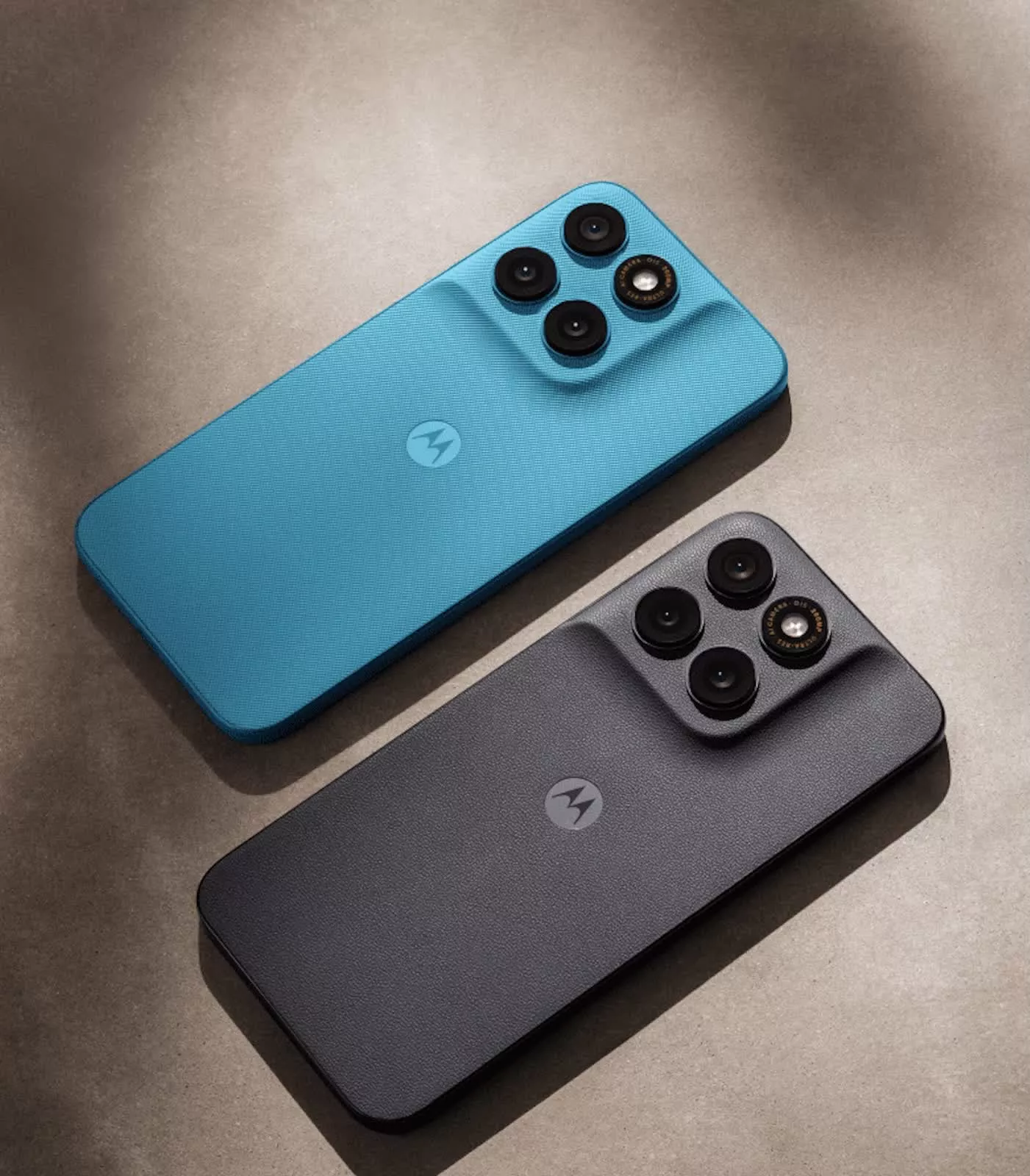
Chinese smartphone brands face deeper cuts. Xiaomi is lowering its target from approximately 120 million to 90 million units, a 25% reduction. Oppo's target is falling from about 105 million to 90 million, a 14% decline. Vivo is reducing its target from 85 million to 60 million. Motorola's parent company, Lenovo, is cutting its target from approximately 50 million to 40 million units, while Transsion is lowering its goal from 66 million to 58 million. Huawei, which targeted approximately 60 million units this year, is reportedly planning to ship fewer than 50 million.
Mid-range and entry-level models account for most smartphone sales by volume, but they also have the thinnest profit margins. These segments are therefore expected to bear the brunt of the reductions.
Memory costs have already changed what goes into the phones themselves. Honor CEO Li Jian spoke after the Honor 700 series launch at the end of November. He said many products in the industry "have had to make trade-offs: some chips have been downgraded, some imaging systems have been downgraded, and some memory systems have been downgraded, relying on piecing together specifications to find a balance."
This means buyers could end up with less powerful processors, simpler camera modules, or less RAM at the same price. In other cases, they may have to pay more for essentially the same specifications. Either way, smartphones with weaker specifications or higher price tags are harder to sell, and the lower shipment targets reflect that reality.
The 2027 plans follow a turbulent 2026. Early in the year, rising memory prices prompted Xiaomi, Oppo, Vivo, and Transsion to collectively reduce their smartphone orders. Xiaomi at one point lowered its annual target to fewer than 100 million units. In July, however, the company judged that memory prices might be approaching their peak, prompting it to restore some low-end orders and raise its target to 110 million units. Its current 2026 target of approximately 120 million is now well above both earlier estimates.
The global picture has also deteriorated. Forecasts for worldwide smartphone shipments this year have shifted from an expected decline of approximately 3% at the beginning of the year to a projected contraction of around 14%.
Honor is keeping its 2027 target at approximately 50 million units, matching its goal for this year. IDC data showed that Honor was the only leading Chinese smartphone manufacturer to record quarter-over-quarter shipment growth in the third quarter. "Mid-range phones face even greater cost pressures than flagship phones," Li said. "While others are retreating, Honor is determined to move forward." Whether the company can maintain this trajectory will depend on securing memory supplies at commercially viable prices, something its larger competitors are also fighting to achieve.
Counterpoint Research's November memory tracker reported that third-quarter DRAM revenue increased by 369% year over year. The average selling price reached $1.90 per gigabit, while Samsung held a 38% market share. "The current market is in a price-driven supercycle, rather than a shipment-driven cycle," senior analyst Jeongku Choi said. He added that buyers are now competing for supply security rather than lower prices.
Forecasts suggest that the pressure will continue throughout next year. A Goldman Sachs report published this month projects a global DRAM supply deficit of 5.1% in 2027, potentially making it one of the worst shortages in more than 15 years. The report also projects a 2% decline in smartphone NAND demand that year. Counterpoint research director MS Hwang said memory prices should remain elevated next year, with no major new wafer fabrication plants expected to come online before 2028.
Goldman Sachs expects conditions to improve after that. The firm projects the DRAM supply-demand gap will narrow to 1.2% in 2028, with prices for both conventional DRAM and NAND potentially falling by around 20%. Viewed in this context, the 2027 shipment reductions represent a defensive response to a temporary market cycle rather than a permanent retreat. However, manufacturers may revise their targets again as memory supply contracts are finalized and demand becomes clearer.