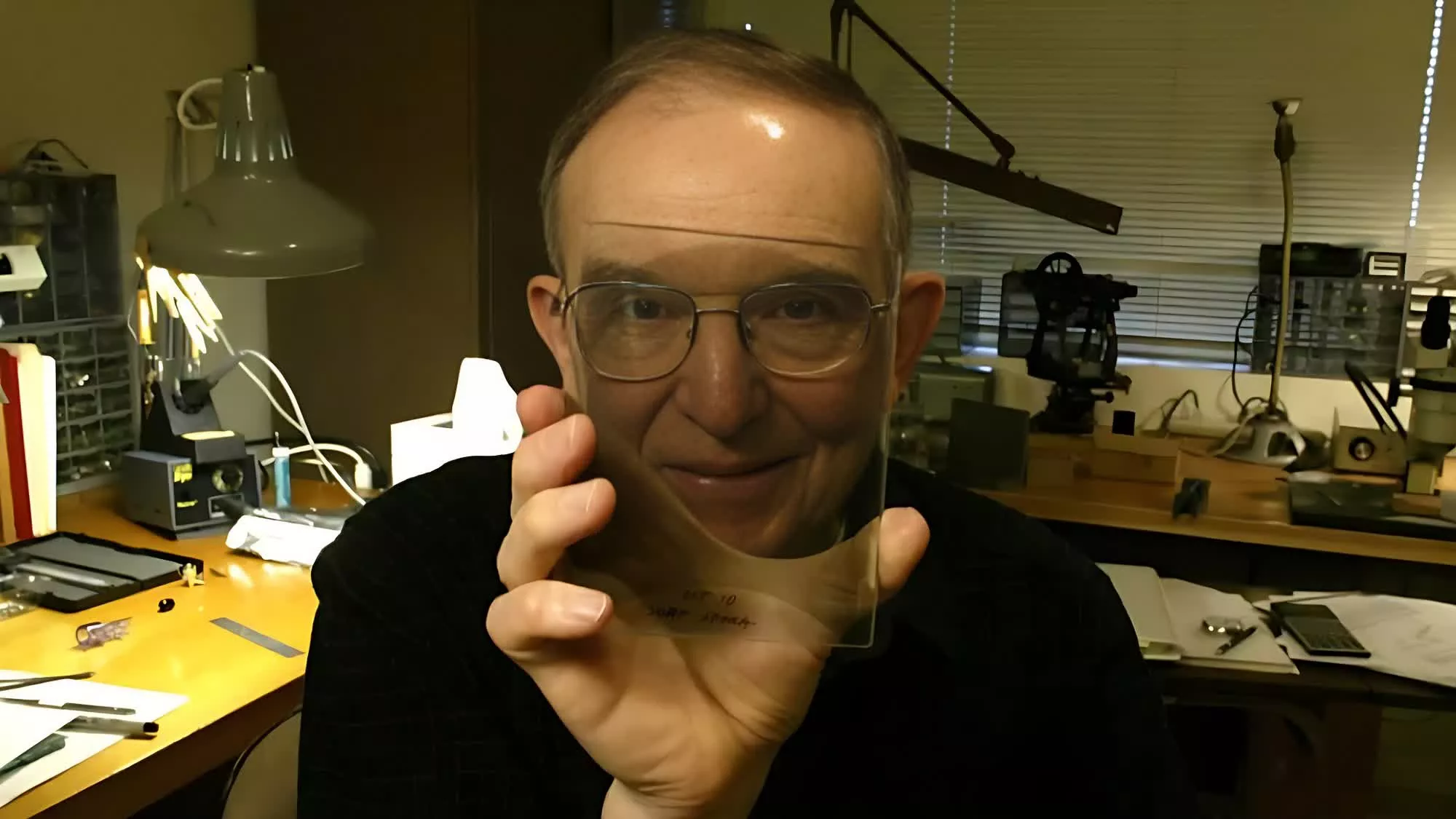
RIP Pioneering American physicist James Torrance Russell, who developed the digital-to-optical recording and playback technology that laid the foundation for the optical media revolution in the late twentieth century, died peacefully in his sleep this week in Bellevue, Washington, according to his daughter, Kristen Russell. He was 95.
Over a career spanning more than 70 years, Russell earned around 70 patents, many of which were later acquired by Optical Recording Corporation and licensed to several major global consumer electronics firms, including Sony and Philips. But the technology he'll be remembered for most is a method of reading digital media from an optical disc using lasers rather than a physical stylus.
Russell invented the system while working at Battelle Memorial Institute's Pacific Northwest National Laboratory in Richland, Washington, in 1965. He earned multiple patents for his inventions in 1966 and 1969 before building his first operating prototype in 1973. The device was subsequently tested and evaluated by more than 100 technology companies over the next few years.
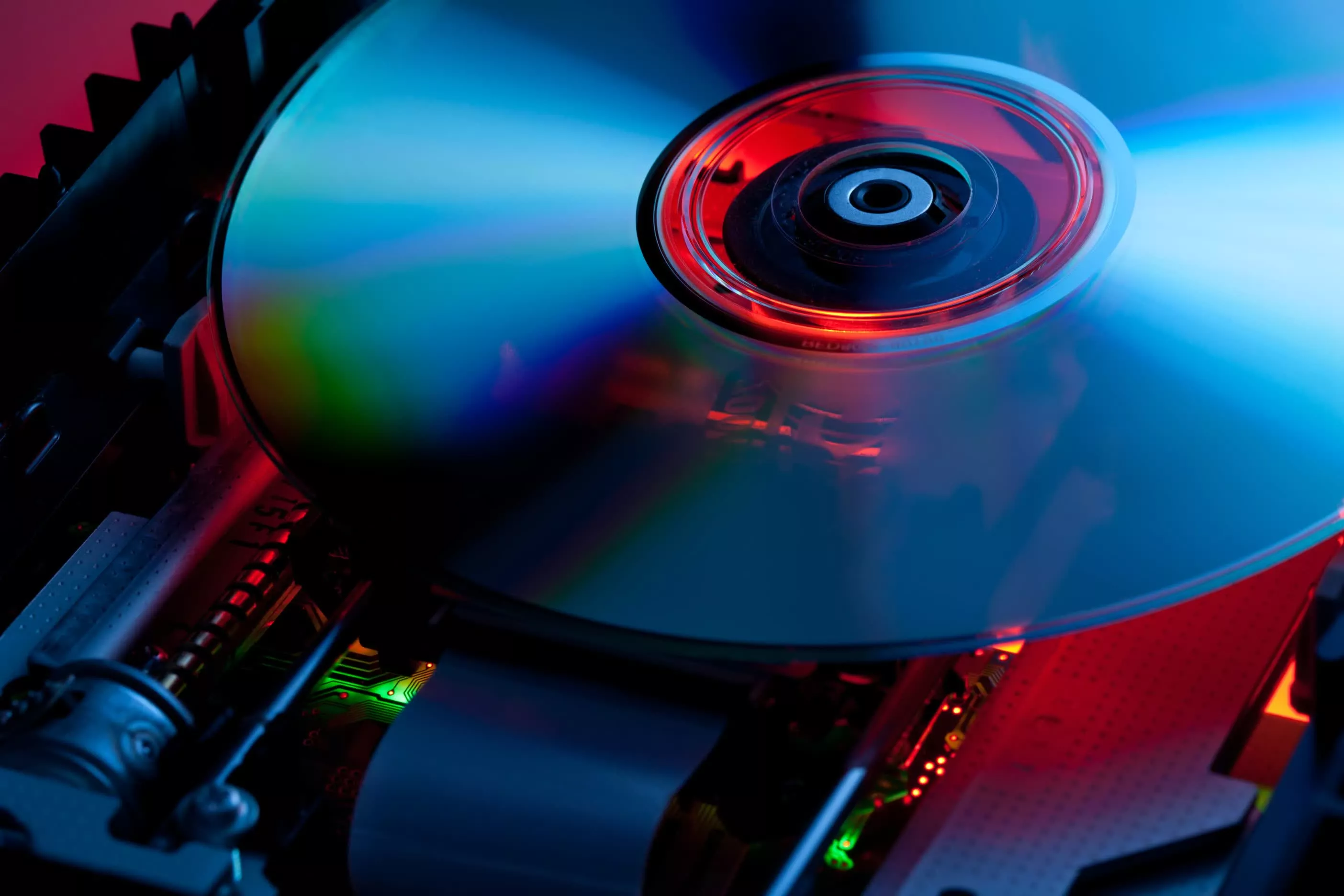
Born February 23, 1931, in Bremerton, Washington, Russell became interested in electronics early in life while working with an electrician at his father's dairy plant. He later took a job as his apprentice, earning 7 cents an hour while gaining crucial experience that would help him in his future research.
While still in high school in the late 1940s, Russel's expertise in electronics landed him a job building a radio station in Port Orchard, Washington. He subsequently earned a BA in physics from Reed College in 1953 before joining General Electric, where he built the world's first electron-beam welder while working at the company's research labs in Richland, Washington.
Also read: Anatomy of a Storage Drive: Optical Drives
In 1965, Russell took up a new job with the Pacific Northwest National Laboratory of Battelle Memorial Institute in Richland, where he invented a novel way to record media on optical storage devices and play it back using lasers, with no physical contact.
While Russell is widely regarded as the man behind the optical media revolution of the 1980s and 1990s, some experts argue that optical media recording and playback technology was originally invented by Dr. David Paul Gregg in 1958 before being modified and improved upon by Dutch researchers Pieter Kramer, Klaas Compaan, and Gijs Bouwhuis while working at Philips.