Serving tech enthusiasts for over 25 years. TechSpot means tech analysis and advice you can trust.
When you buy through our links, we may earn a commission.
These days, backing up your files or sharing them with others is a walk in the park. For most purposes, a cloud service will do. For sensitive or very large files, you can plug an external drive into a USB port. In the 1990s, however, things were more complicated.
Back then, most homes weren't connected to the internet, and the few that were paid by the minute to transfer a few kilobytes per second. Flash memory was reserved for premium digital cameras and, in tiny quantities, console memory cards.
IBM had standardized the 1.44MB format for lightweight, slow-spinning floppy disks with the PS/2 series. That was enough for documents and spreadsheets, but became a problem for larger file types, such as uncompressed graphical work. Software came on CDs (or many, many floppies), but CD recorders weren't affordable yet.
If you wanted to share large files between computers that weren't in the same room, your most convenient option might have been to unscrew your hard disk (we remember doing this on a very regular basis actually), a device built for spinning fast rather than traveling, and install it in the other computer.
Years before USB drives and broadband internet, the Iomega Zip drive packed 100MB of storage into a 3.5 inch format that fit in your pocket. It let you carry all your files anywhere and gave the first generation of independent graphic designers the freedom to work on the move.
The iconic tech gadgets that shaped our world. From groundbreaking gaming consoles to revolutionary mobile devices and music players, discover the legends of technology.
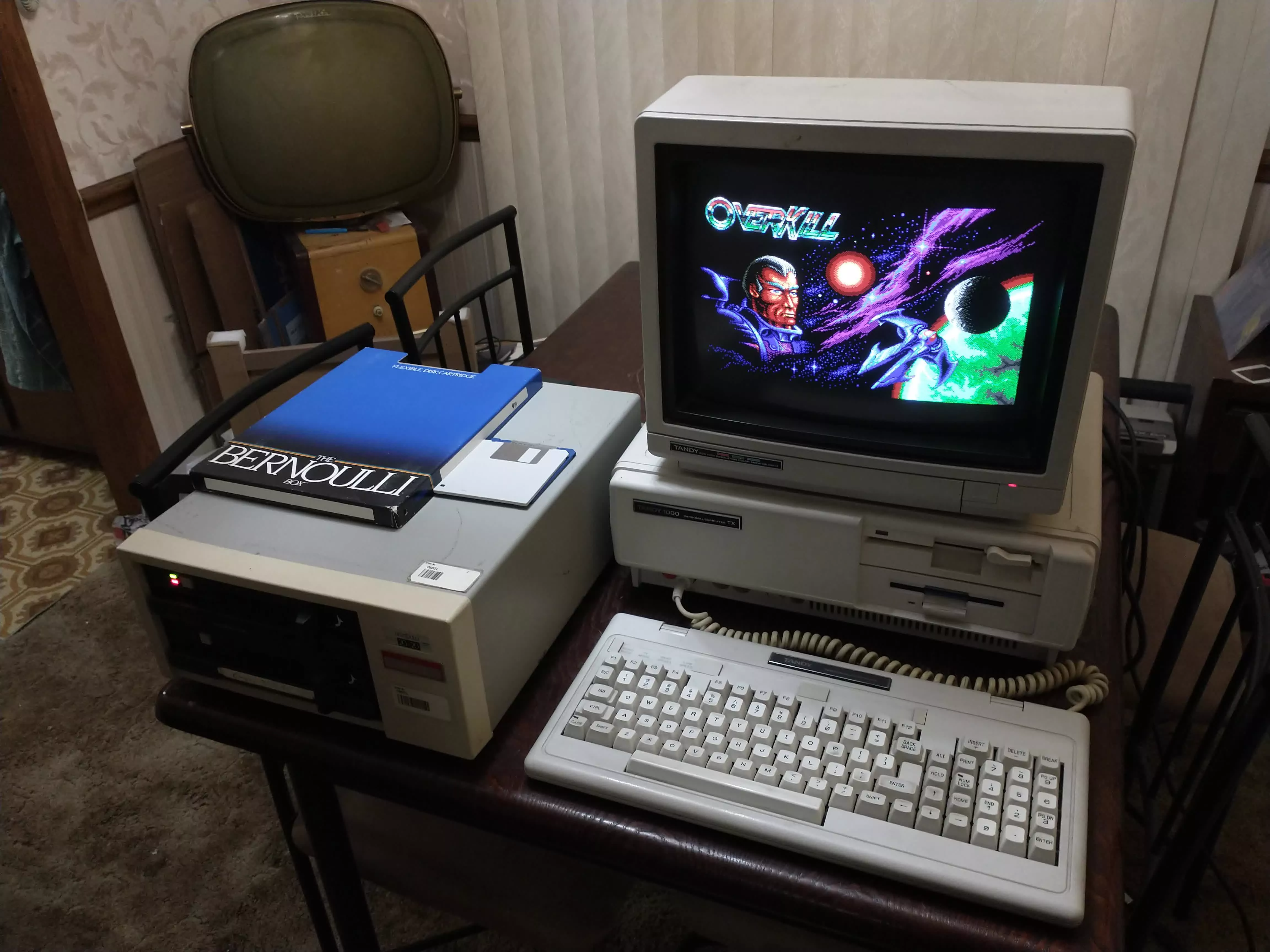
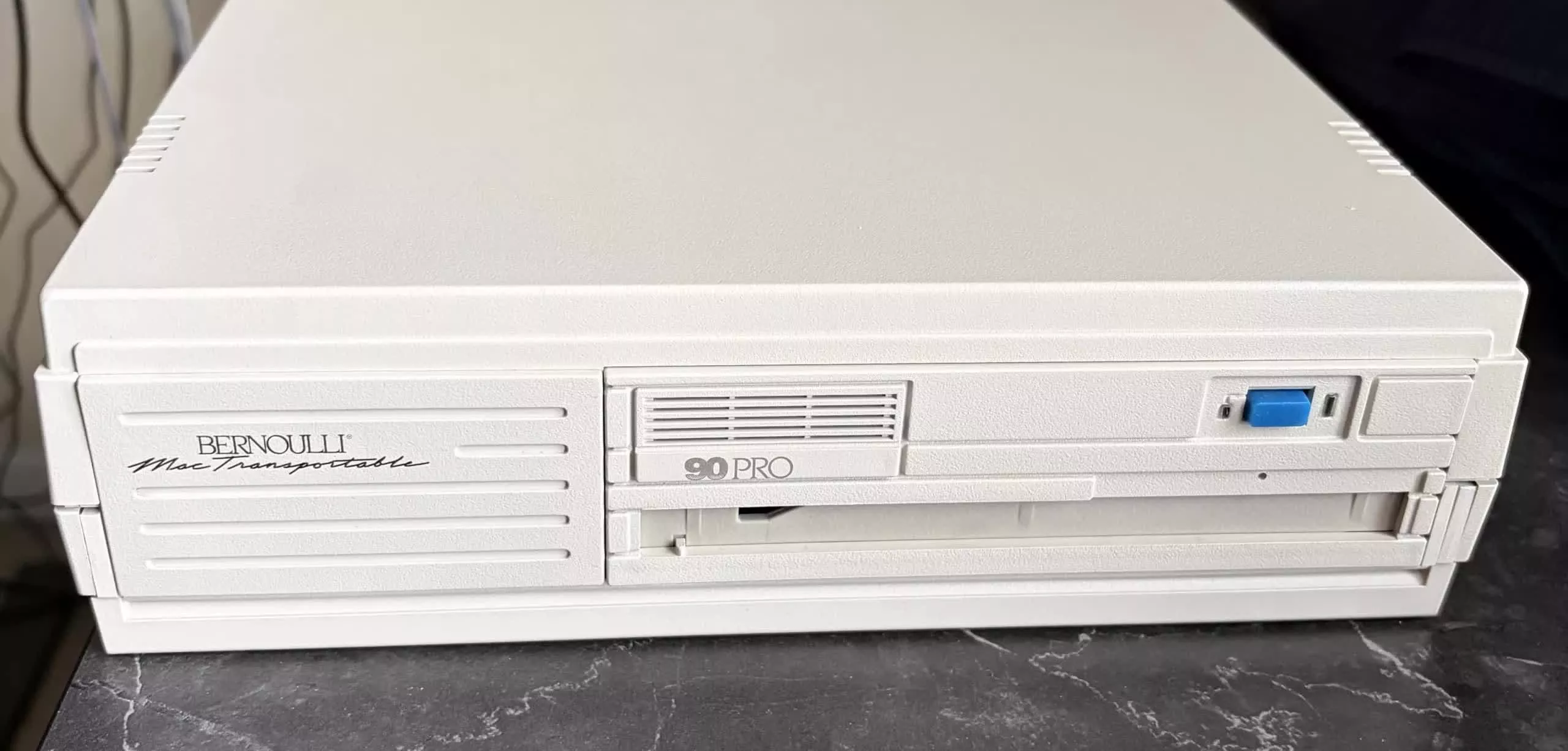
In 1980, a group of engineers left IBM to found Iomega in Roy, Utah, and release the Bernoulli Box for the professional market. It used the Bernoulli principle to keep a floppy disk close to the read/write head only while it was spinning, which ruled out head crashes during power outages.
Having sold 70,000 Boxes and a million disks by 1986, it was a strong alternative to SyQuest's drives, which were essentially hard disks with removable platters.
Sales had peaked, though. Iomega was left with heavy debt and inventory it couldn't move, and in 1987 it lost more than $39 million as sales plunged 30%.
Iomega was one of the companies that released a backward compatible "floptical" drive in the early 1990s, adding support for 21MB disks. The drive cost $399 (about a grand today), and each disk cost $20, roughly the same price per megabyte as a 1.44MB floppy.
The new disks held far more, but they couldn't spin much faster while remaining stable enough to read.
Enter the Outsider
By the early 1990s, the Bernoulli Box was fading, and Iomega went looking for new leadership. In early 1994, it hired Kim Edwards, a General Electric marketing veteran who knew far more about consumers than computers.
(Yet to be hired CEO) Kim Edwards told Iomega execs their product was too expensive, too bulky, and too complicated for regular people. They told him he didn't understand the business. Then they hired him anyway.
Before he joined, Iomega sent him its flagship Bernoulli system to evaluate. Edwards glanced at the instructions and shoved the device into his closet, where it was still gathering dust two years later. In his interview, he told executives the product was too expensive, too complicated and too bulky for ordinary people. They told him he didn't understand their business. Then they hired him anyway.
Instead of chasing specs, Edwards asked consumers what they wanted. The answer was a cheap, simple way to store, back up and share their files, and price mattered most. According to Edwards, the Zip concept was born in March 1994.
Twelve months later, the drive was shipping. Along the way, he rebuilt the company around it: by the end of 1995, 69 of Iomega's 84 executives were new hires.
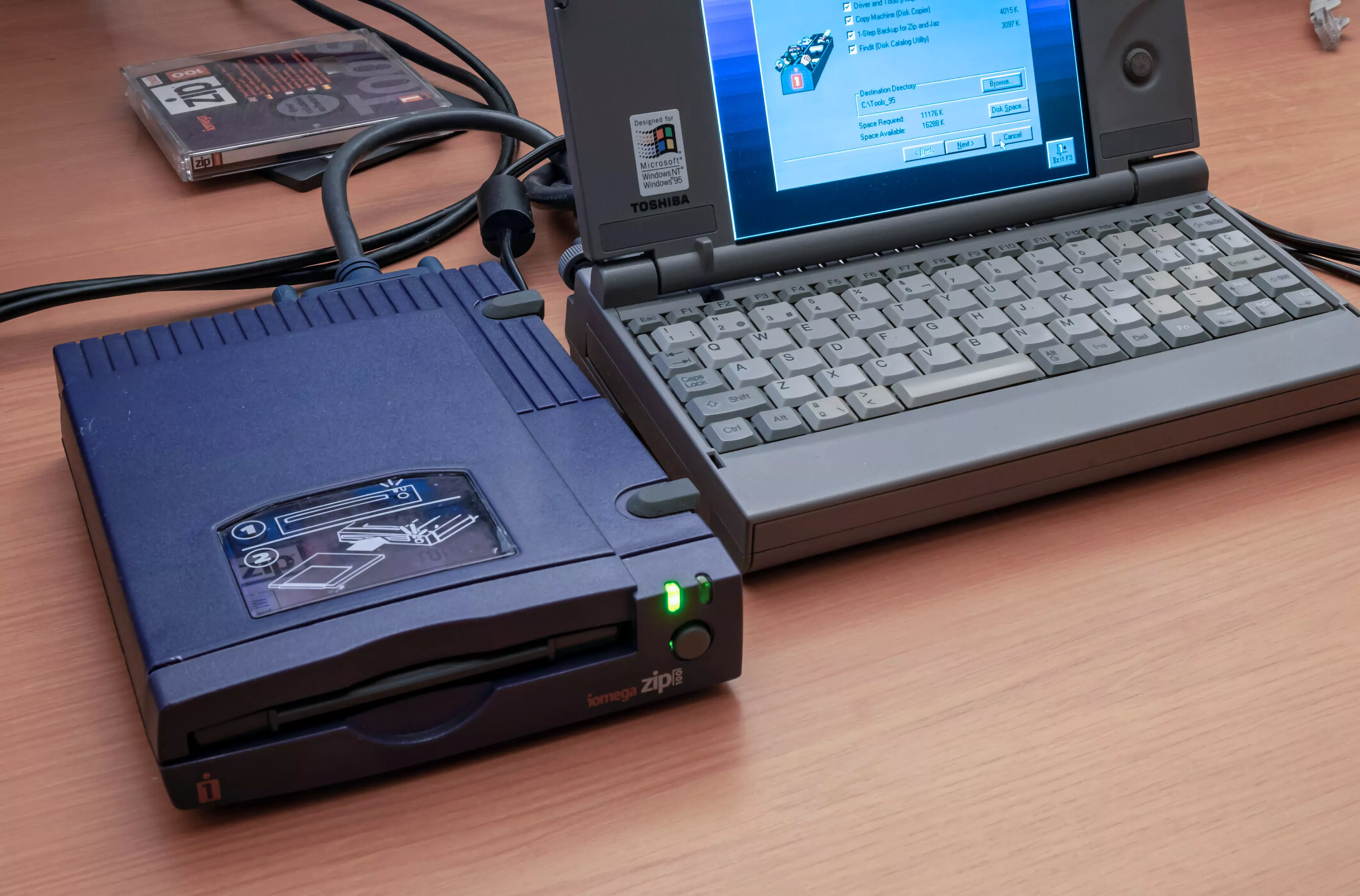
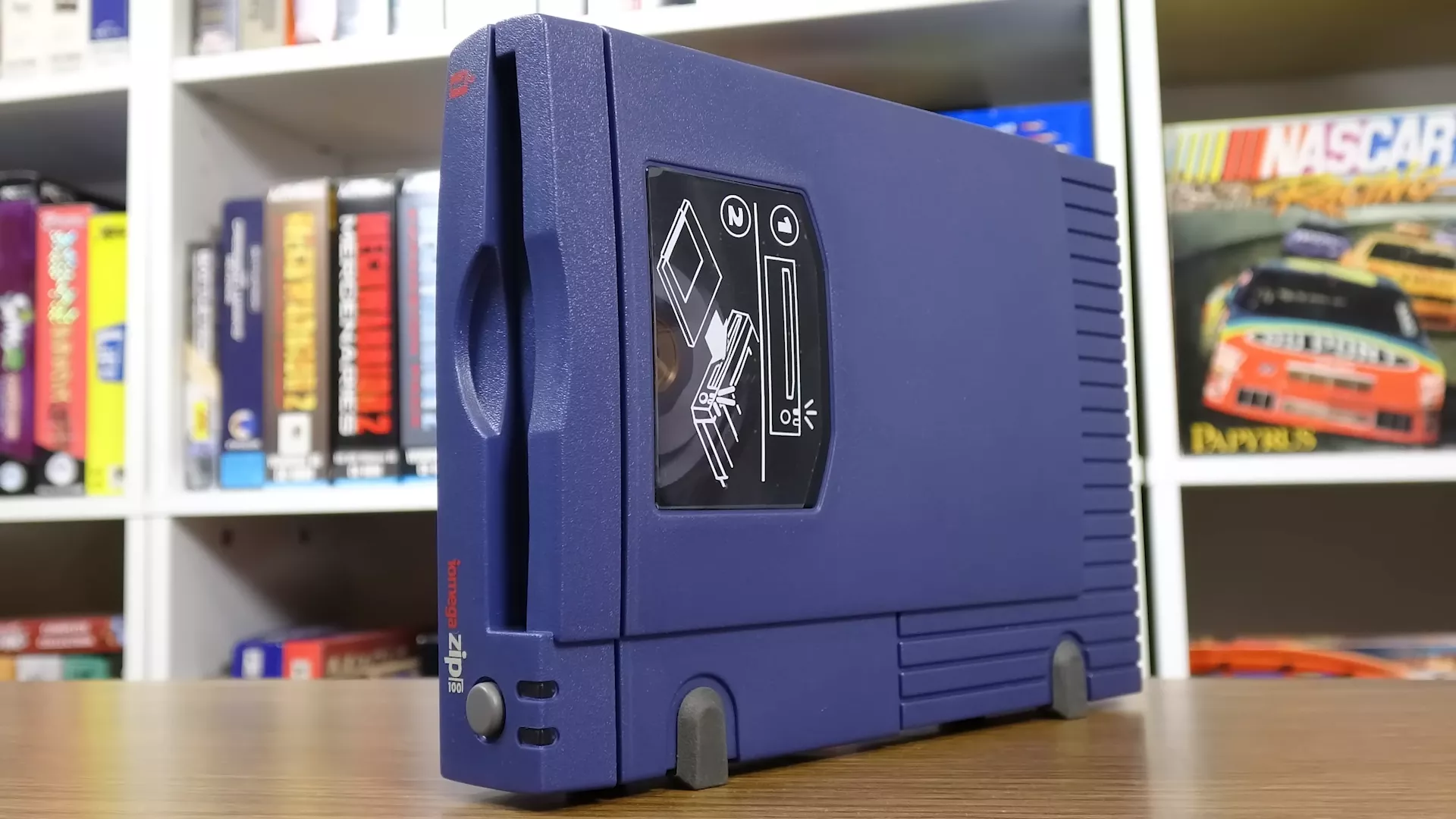
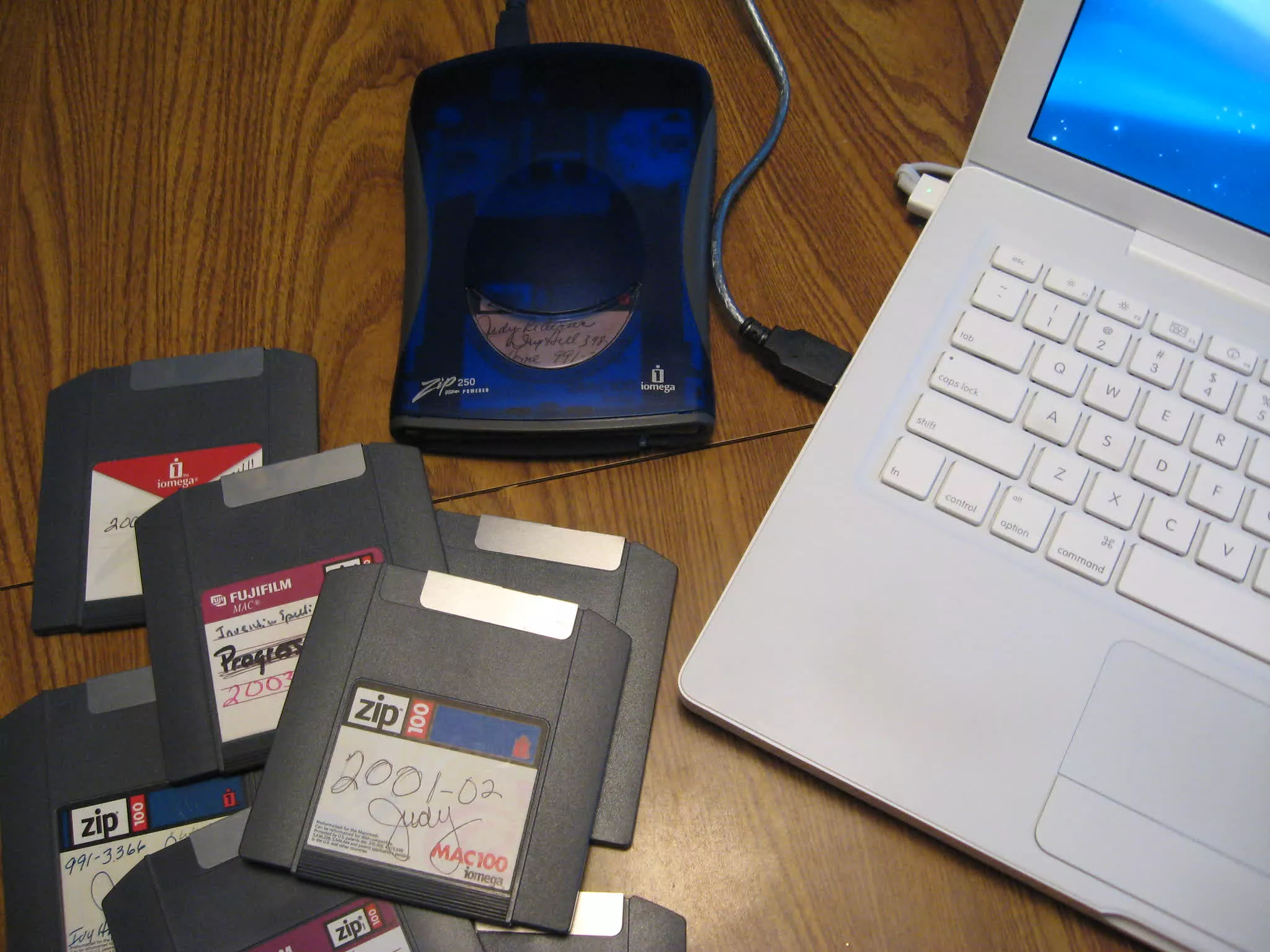
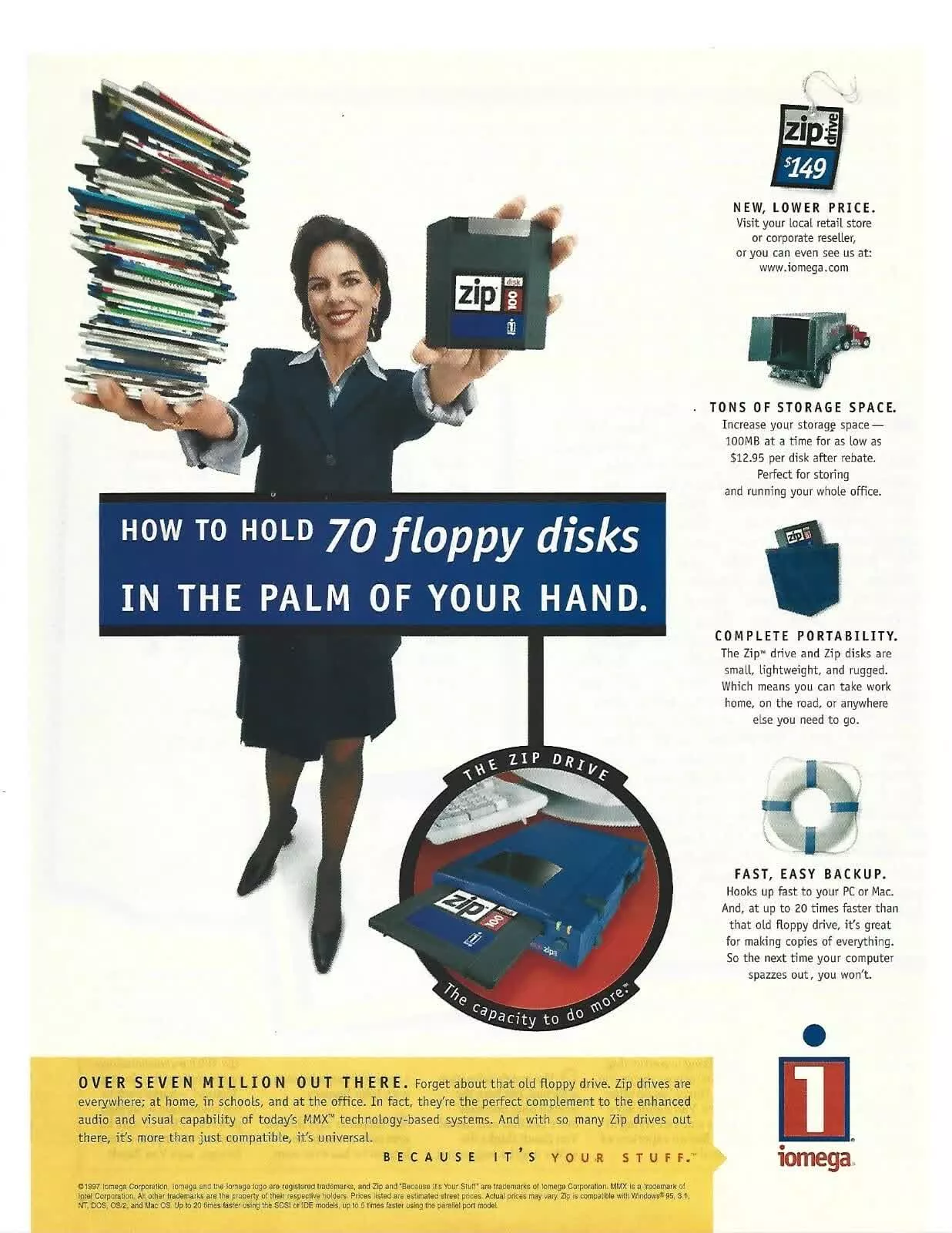
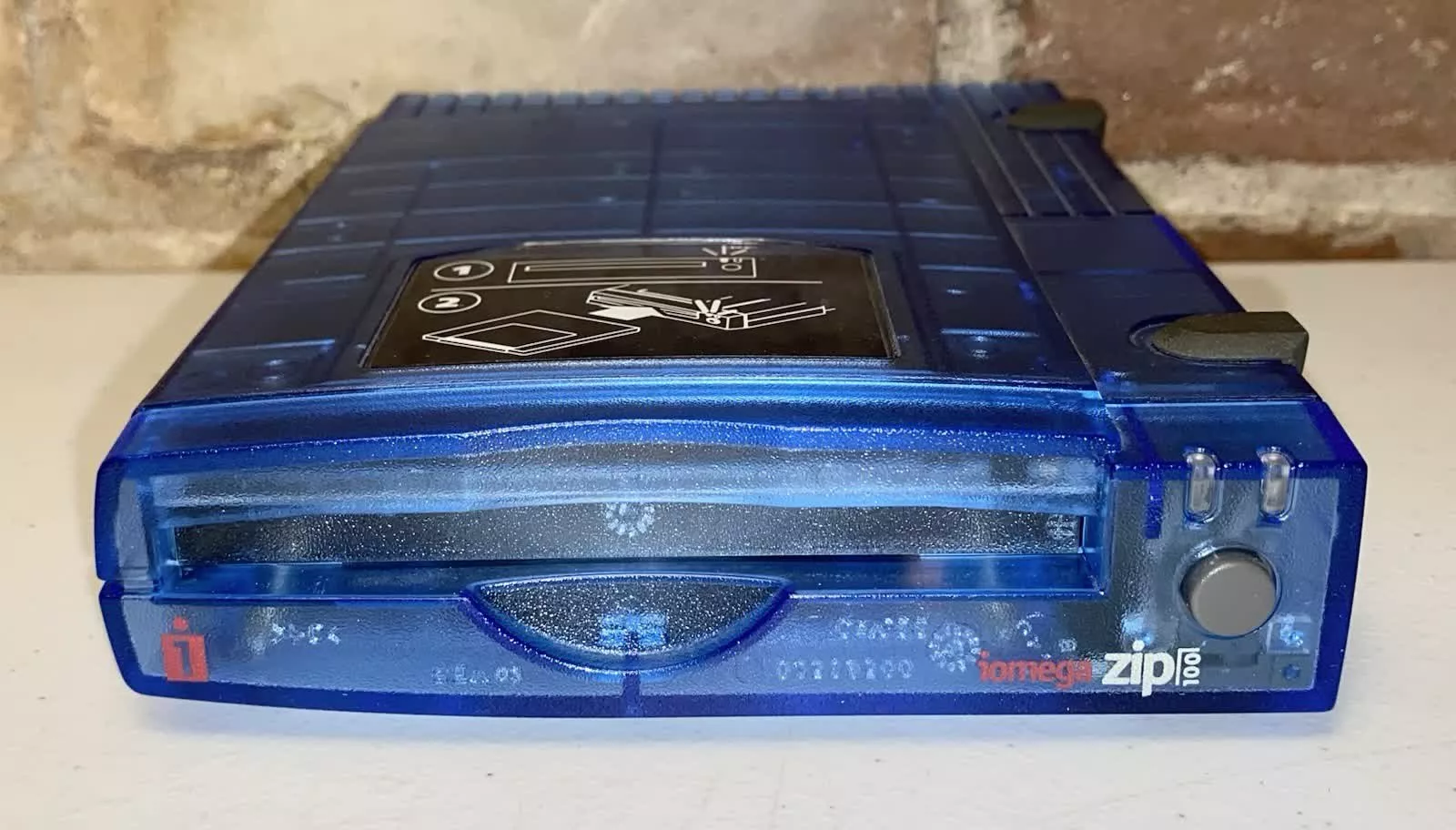
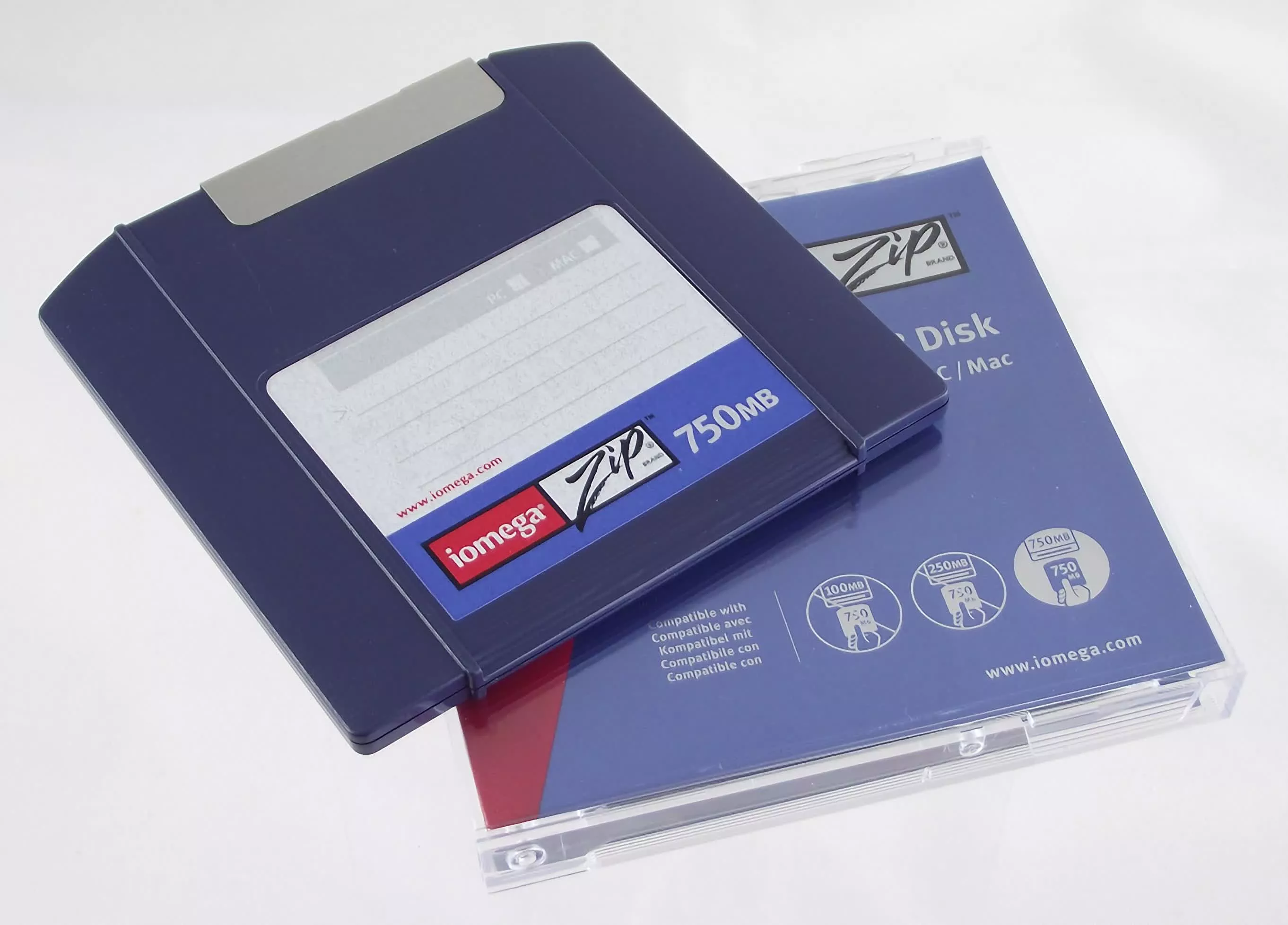
In 1995, Iomega released the Zip drive for just $199, with support for 100MB disks that sold for $19.95 each. When desktop computers and peripherals were virtually all beige, the Zip drive came in indigo. Like a cassette player, it had a window so you could see the handwritten label on the disk inside.
The drive connected to the computer through the printer port, and featured a pass-through connector for the printer. The case had six feet for vertical or horizontal placement. The power cable was concealed by the case to prevent accidental pulling. The bundled software let you name each disk and automatically build a list of the files on it.
Edwards sold the Zip like a consumer product, not a storage peripheral. Iomega tested eight retail packaging designs before settling on one, and it advertised in mainstream magazines, on TV and on radio instead of sticking to computer publications. The drives reportedly sold out on their first day.
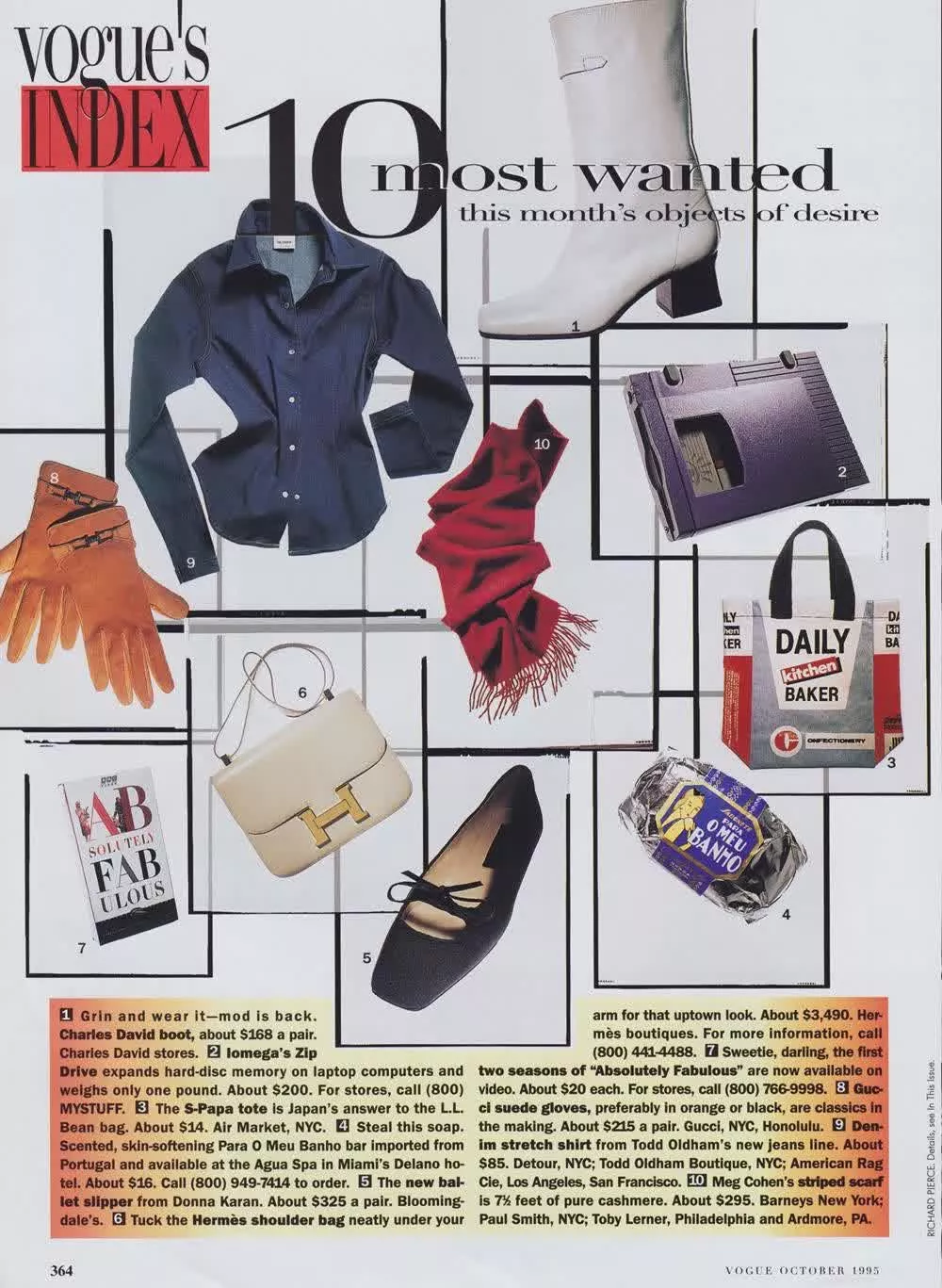
Vogue listed the Zip among its 10 most wanted objects of desire, which Edwards considered his crowning moment.
SyQuest fought back with the EZ135, offering 35% more capacity for $239, but the drive and its cartridges were both twice as heavy as Iomega's, which limited their consumer appeal.
It was a race SyQuest could have led. According to an oral history recorded by the Computer History Museum, Fuji approached SyQuest in 1993 or 1994 about developing a 100MB removable disk based on floppy technology. SyQuest's engineers liked the idea, but its marketing department saw floppy technology as inferior to the company's own drives, and CEO Syed Iftikar sided with marketing.
When the Zip arrived in March 1995, SyQuest was left scrambling, even though by Iftikar's account it had been about three times Iomega's size. He later called passing on the idea one of his great regrets.
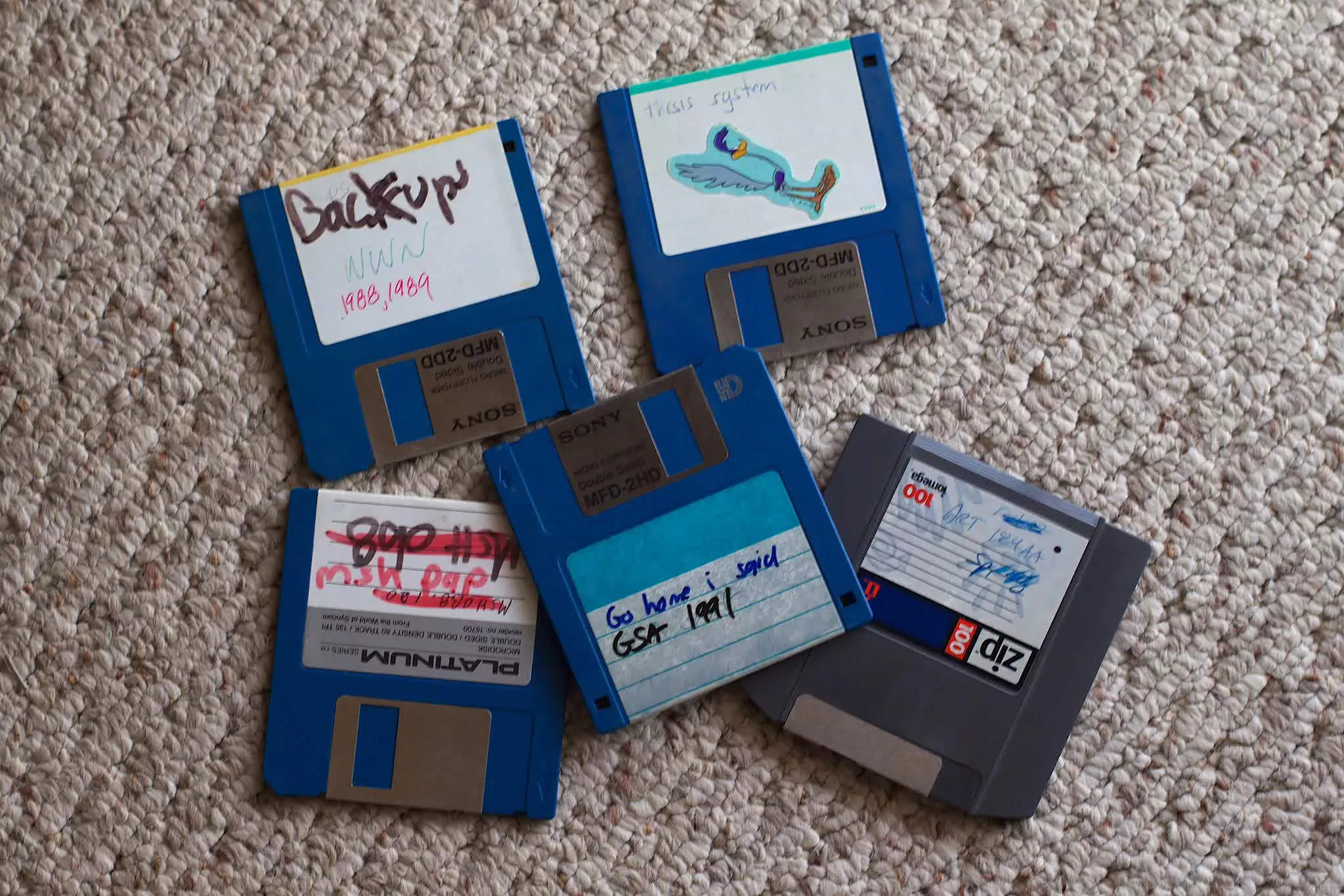
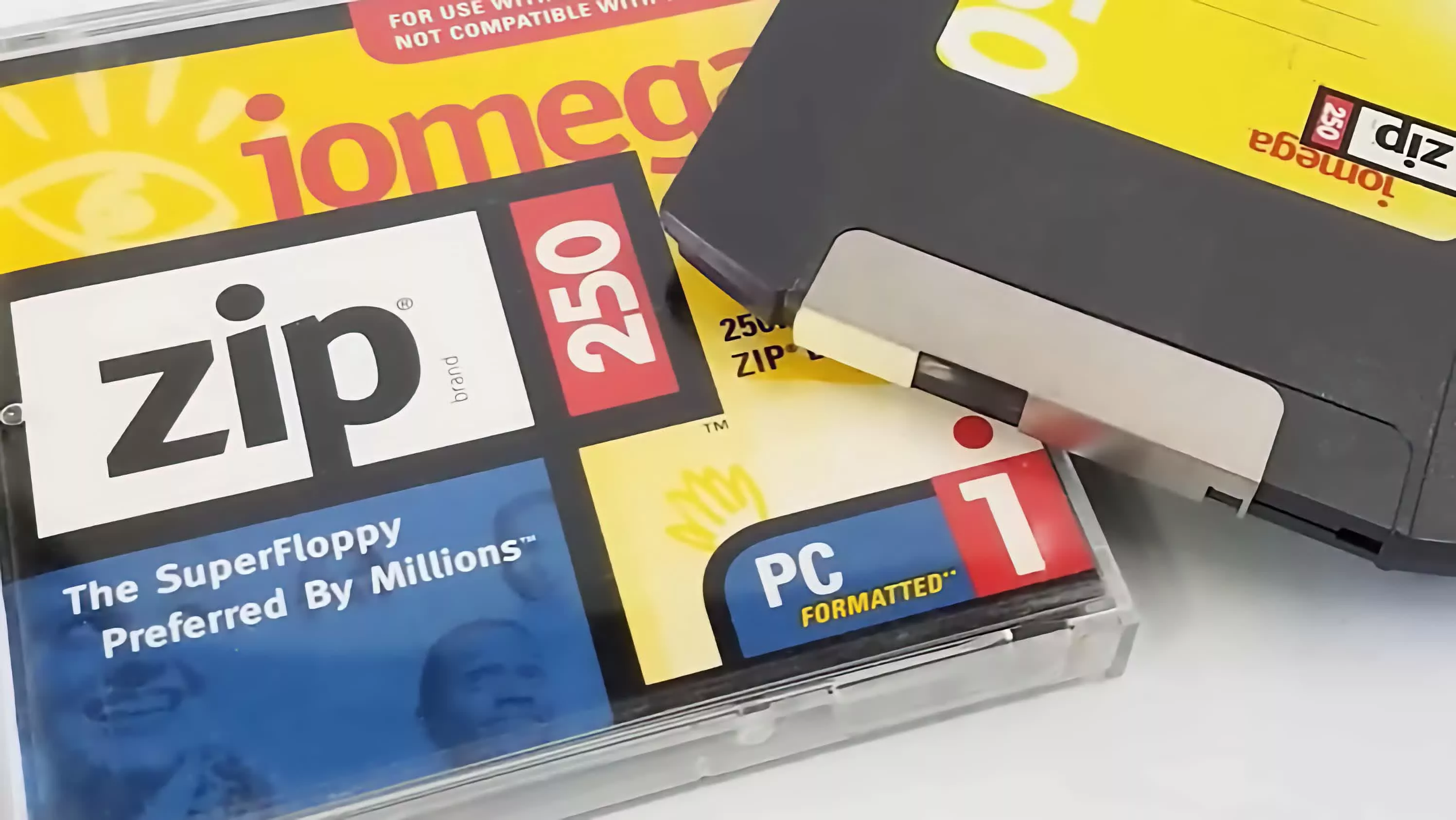
Zip disks were thicker than standard floppies, which allowed them to spin at nearly hard disk speeds. The cassette was made of noticeably sturdier plastic. Unlike other floppies, moving the metal shutter in your pocket wouldn't expose the flat side of the disk to dirt.
Despite being superior, Zip disks couldn't entirely replace 1.44MB floppies, for a simple reason: at $20, they weren't disposable. You wouldn't buy a pack of 20 and hand them out without worrying about getting them back. USB flash drives arguably had the same problem, but they took off around the same time as broadband internet, which made physically carrying files smaller than 2MB seem almost laughable.
None of that held back sales. By March 1996, a year after launch, Iomega had shipped more than a million Zip drives and nearly 10 million disks. Bernoulli products had shrunk to less than 13% of sales, and Edwards declared, "We're no longer a Bernoulli company."
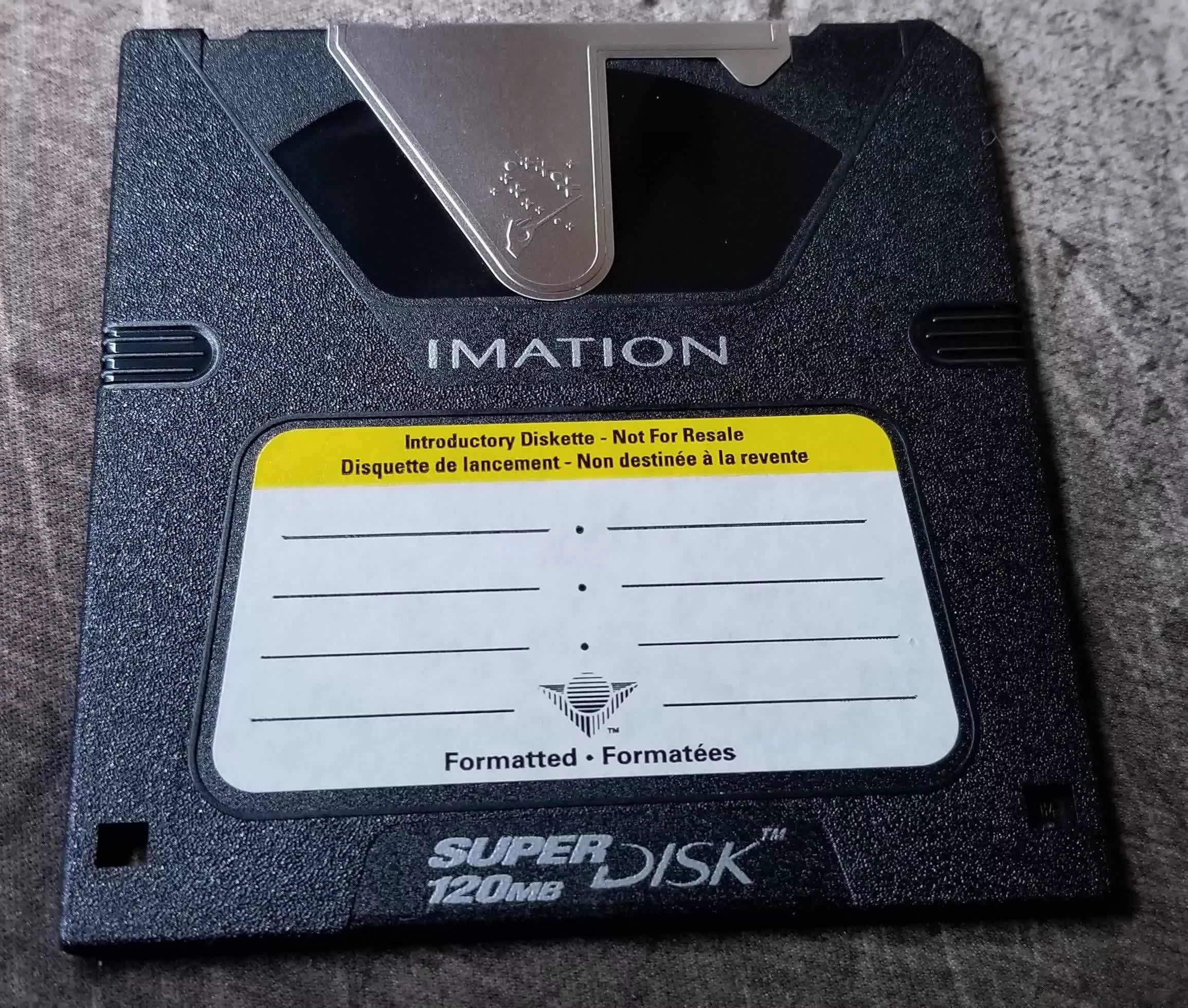
The Zip drive's main competitor, launched a year later, was the SuperDisk LS-120 (pictured above), which offered 120MB of capacity and backward compatibility with 1.44MB disks. However, Iomega's head start and faster spinning guaranteed its win. The company generated $1.2 billion in sales in 1996, up from $326 million the previous year and roughly $140 million in 1994.
Zip Mania
The Iomega stock became a preview for the dot-com bubble at the end of the decade: within a year, it increased twenty-fold after being hyped in anonymous posts online. One year later, it had lost 68% of its value.
Much of that hype came from The Motley Fool's message boards on AOL, one of the earliest online communities of amateur investors. The stock split twice within a year, and Edwards openly credited the Fools with driving some of Iomega's Zip, Ditto and Jaz sales. That's a remarkable thing for a CEO to say about an investor forum.
Iomega's actual revenue peaked in 1997 at $1.7 billion. All major computer makers started shipping computers with Zip drives built in, connected to the motherboard like a hard disk. Iomega launched a TV ad campaign that tried to market the drive toward families, introducing colorful cassettes. Windows 98 came with Zip drivers preinstalled.
That was by design. Iomega built up demand among shoppers first, giving PC makers a reason to adopt the format, a strategy researchers later described as "end user pull." Iomega also embraced its new status as a lifestyle brand, selling branded shirts, hats and pens.
In late 1997, Iomega took legal action against French company Nomaï for selling Zip-compatible diskettes – Iomega's main source of profit. Iomega had previously become Nomaï's worldwide distributor while Nomaï was being sued by SyQuest for a similar reason. The case was settled in 1998, when Iomega bought a majority stake in Nomaï for $21 million.
Iomega was battling SyQuest in court, too. SyQuest filed for bankruptcy in November 1998, and in early 1999 Iomega picked up its intellectual property, inventory and equipment for just $9.5 million. The company that once dismissed cheap removable drives had been bought for scraps by the one that built them.
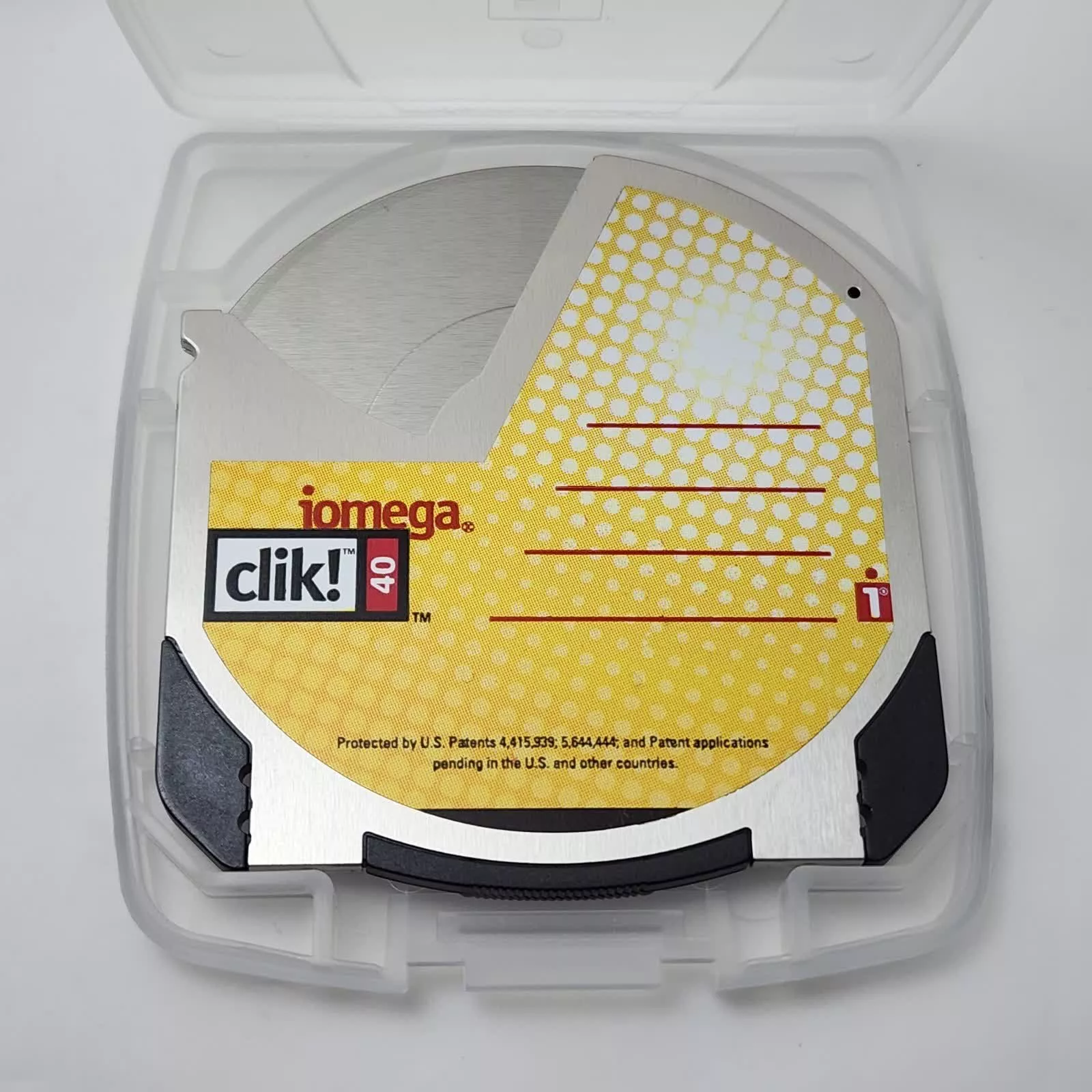
Sony launched its affordable Mavica FD line of digital cameras in 1997, saving images to 1.44MB floppies. Later that year, Iomega unveiled Clik!: a 2 inch floppy disk in a metallic cassette, holding 40MB of data. Camera makers remained indifferent. The disks were cheap to make, but a drive that could read them wasn't, and it would never support higher capacity disks.
After the apparent death of Clik!, reports began spreading online about the "click of death": a repetitive noise the Zip drive made when it couldn't access the data on a disk for any reason. In extreme cases, a misaligned read/write head could ruin a healthy disk, and vice versa.
Reports began spreading online about the "click of death": a repetitive noise the Zip drive made when it couldn't access the data on a disk for any reason.
The problem probably wasn't any less common with 1.44MB floppies, but losing access to dozens of files at once was far more painful, and figuring out where the problem lay was harder when you didn't have a stack of empty diskettes in your drawer.
The term appeared in print as early as January 1998, and frustrated users even launched websites to collect complaints. Steve Gibson, the author of the disk utility SpinRite, released a free diagnostic tool called "Trouble in Paradise" that became the favorite remedy for worried owners. Iomega, meanwhile, often blamed disks from other manufacturers and insisted that fewer than 1 in 200 Zip and Jaz owners were affected.
Getting help didn't come cheap either: Jaz and Ditto owners got their first support call free, but Zip owners didn't, which led to a separate class action over the company's tech support.
Iomega reported a surprise loss in Q1 1998, its first in three years, blamed on overproduction and overspending on advertising. CEO Kim Edwards abruptly left the company after four years. Iomega faced a class action over the click of death later in 1998.
The case was settled more than two years later, with Iomega offering rebates of up to $40 on future purchases. The settlement potentially covered as many as 28 million Zip buyers and included a $1 million donation of Iomega products and services to schools.
The Super Floppy Wars
Competition in the "super floppy" market started heating up in 1998. The Caleb UHD144 improved too little and too late on the LS-120. Sony, the inventor of the original 3.5 inch format, launched the 200MB HiFD (high-capacity floppy disk), promising to combine the Zip drive's speed with backward compatibility.
The drive had barely reached the market when it turned out every unit was defective, and it was only relaunched a year later, to little excitement.
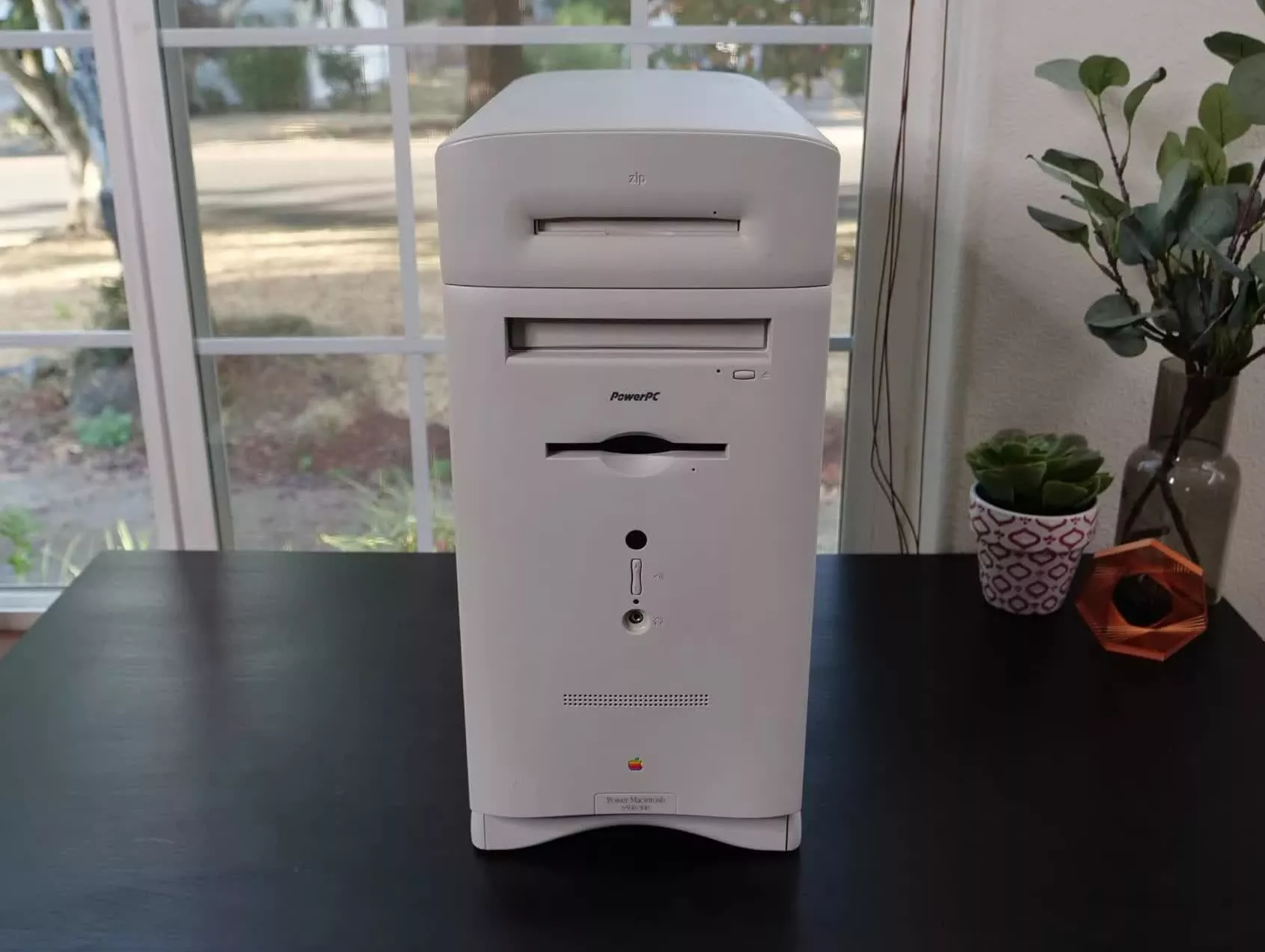
Following the launch of the iMac G3, which had no dedicated printer port (or floppy drive), Iomega released a USB version of the Zip drive in a matching translucent case. Later, it launched a 250MB version of the Zip drive and dropped the price of the original to $99. The new drive could read 100MB disks, but writing to them was slow and could leave them unreadable in Zip 100 drives
Around the same time, Iomega launched the Clik! drive. With a detachable memory card reader, the $249 digital camera bundle let you transfer photos from your single, expensive flash card to one of the disks ($100 for a pack of 10).
Unless you planned to shoot hundreds of photos at a single event, you could simply buy another memory card instead.
The Rule of Thumb Drives
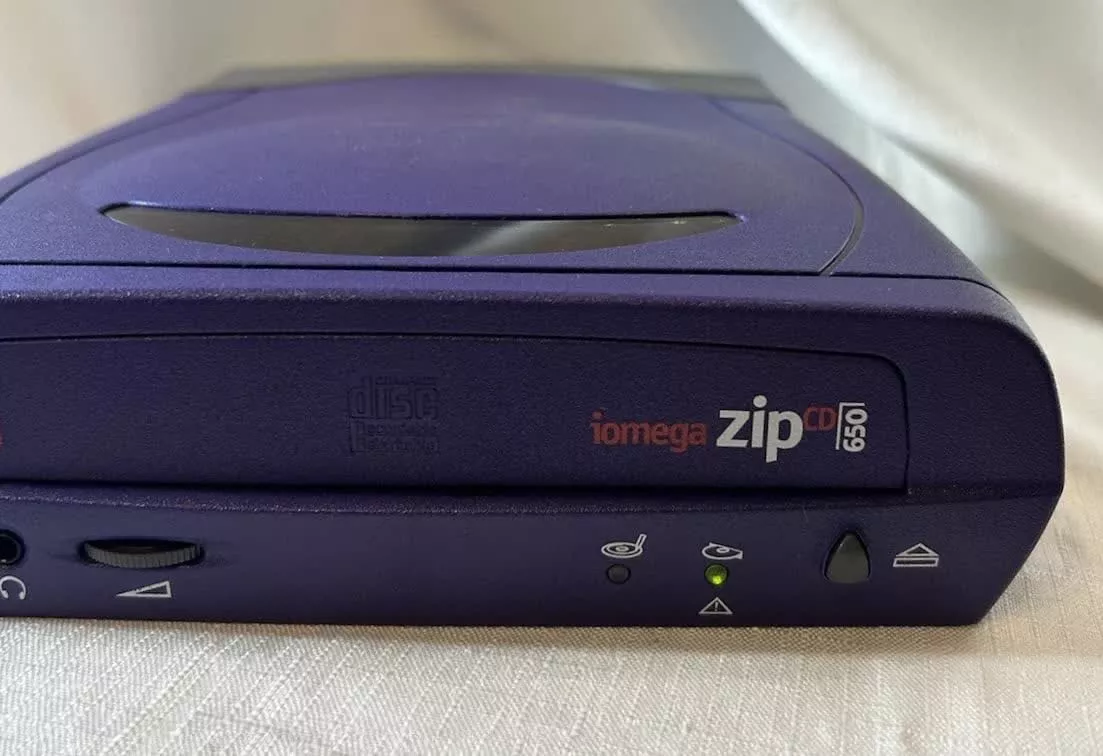
Iomega released its first CD writer, the $209 ZipCD, in 1999. At nearly five inches, CDs weren't very pocket friendly (especially in a rectangular protective case), and you couldn't modify the files saved onto them. However, they could hold 650MB of data and, more importantly, they were disposable.
Zip sales actually peaked in 1999, with 9.6 million drives and 64 million disks. Sega had developed a Zip drive accessory for the Dreamcast but eventually canceled it.
The only camera to use Clik! was released that year: a version of the Agfa ePhoto CL30. The LS-120 didn't fare much better, with only a couple of Panasonic cameras using it.
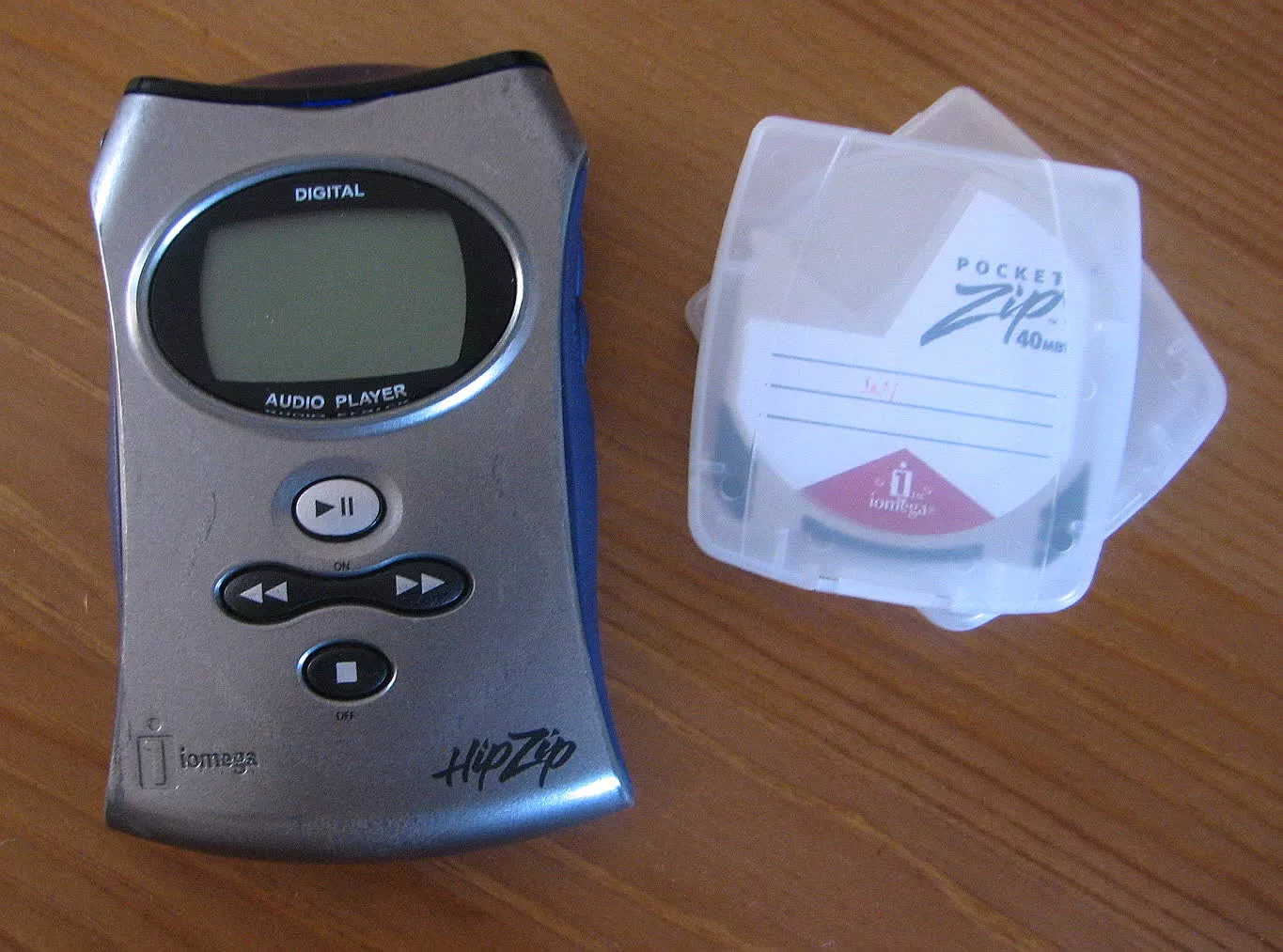
The following year, Clik! was renamed PocketZip and used in Iomega's $299 HipZip MP3 player (the name "Pocket Zip" had previously been used by Addonics for a Zip drive that could run off a laptop's battery).
The HipZip was well received at launch as a pocket friendly alternative to the Discman, but it was quickly forgotten as flash memory got cheaper. A 100MB version of the PocketZip was announced but never released.
Shortly afterward, IBM released the first USB flash drive: the DiskOnKey, developed by M-Systems. Not requiring a disk, a power connector or even a battery, it was a huge threat to the Zip 100 at $99 for 32MB. Within a year, a 128MB model was available for $149.
Iomega released a 750MB version of the Zip drive in 2002 with USB 2.0 support, but it wasn't enough to stop the decline. Drive sales fell to 2.2 million in 2003, and Iomega acknowledged in an SEC filing that Zip sales were dropping by nearly 50% a year.
By then, the most capacious portable medium was the DVD, at 4.7GB, and flash drives were quickly catching up. The Zip drive was discontinued the following year, having sold 50 million units and 310 million disks.
Iomega kept selling external storage devices, DVD drives, and eight years before Apple's iCloud, a cloud service called iStorage. In 2008, it became a subsidiary of EMC for $213 million. When the subsidiary was merged into Lenovo in 2013, the Iomega brand was phased out.
The Zip disk didn't need to replace the 1.44MB floppy – it thrived alongside it. When you gave away a 1.44MB diskette to share a document with someone, your Zip disk stayed in your pocket, keeping all of your files safe.