
Rumor mill: Microsoft has promised that its next Xbox will bridge the gap between console and PC by supporting games from third party storefronts and older Xbox generations. But new reports suggest publisher licensing and a shifting business model could derail that vision, potentially driving hardware prices far higher than players expect.
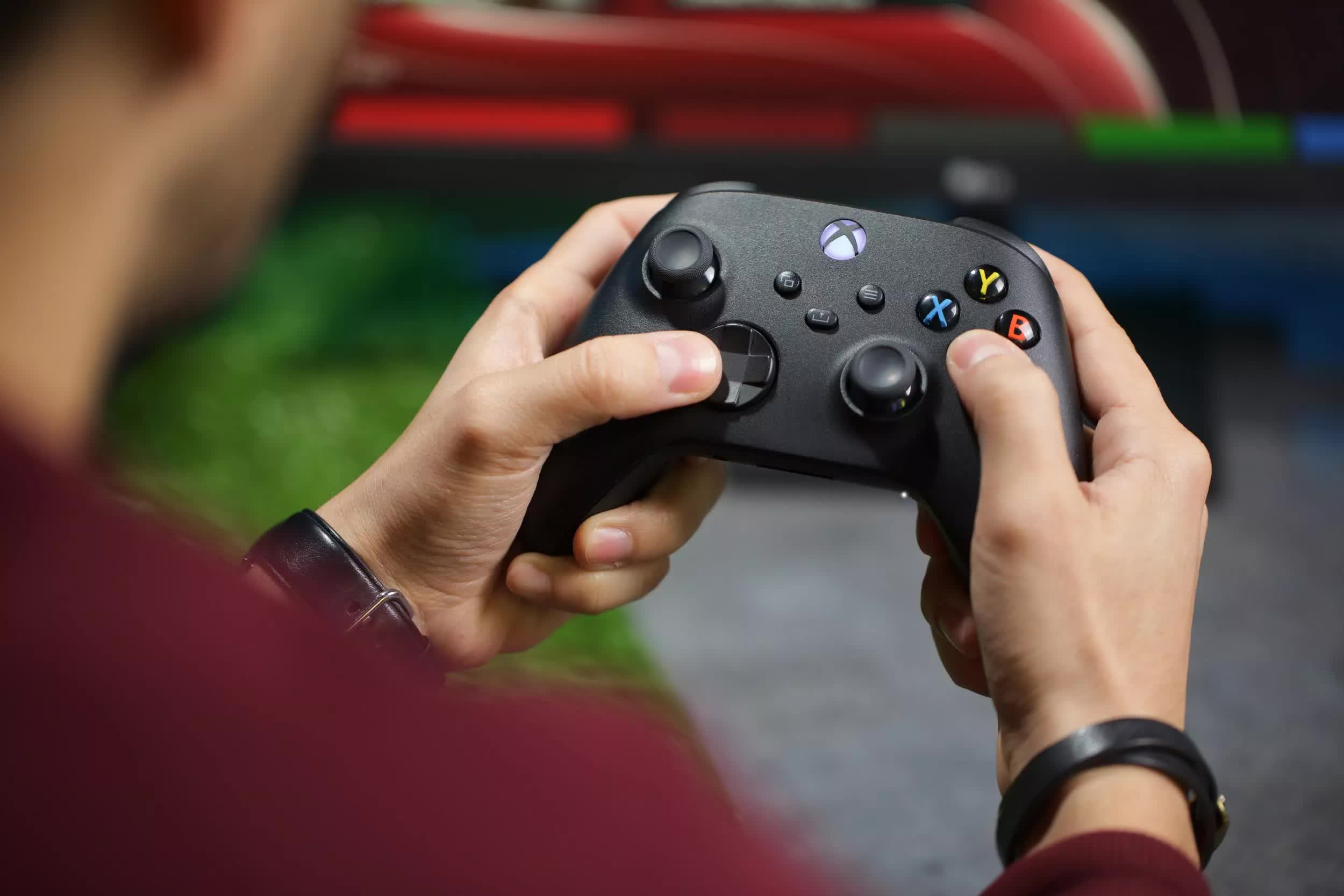
Prominent leaker KeplerL2 has suggested that Microsoft's next console could cost around twice as much as Sony's upcoming PlayStation 6 because of its powerful hardware and the company's intention to sell it at a profit. In addition, rumored "Xbox PC" devices based on the same chips might not be compatible with older Xbox games.
Kepler made these comments while discussing Microsoft's stated intention to combine the strengths of Xbox and Windows. A Windows based machine that supports titles from users' Steam libraries would likely reduce the revenue generated from third party software licensing, which has traditionally underpinned game console sales.
Selling the next Xbox at a profit to compensate could make the device far more expensive than customers are used to, worsening an environment where hardware costs are already reaching historic highs. The next Xbox's rumored APU, codenamed Magnus, is also said to be quite large, which could push the device's price and performance far beyond the PS6.
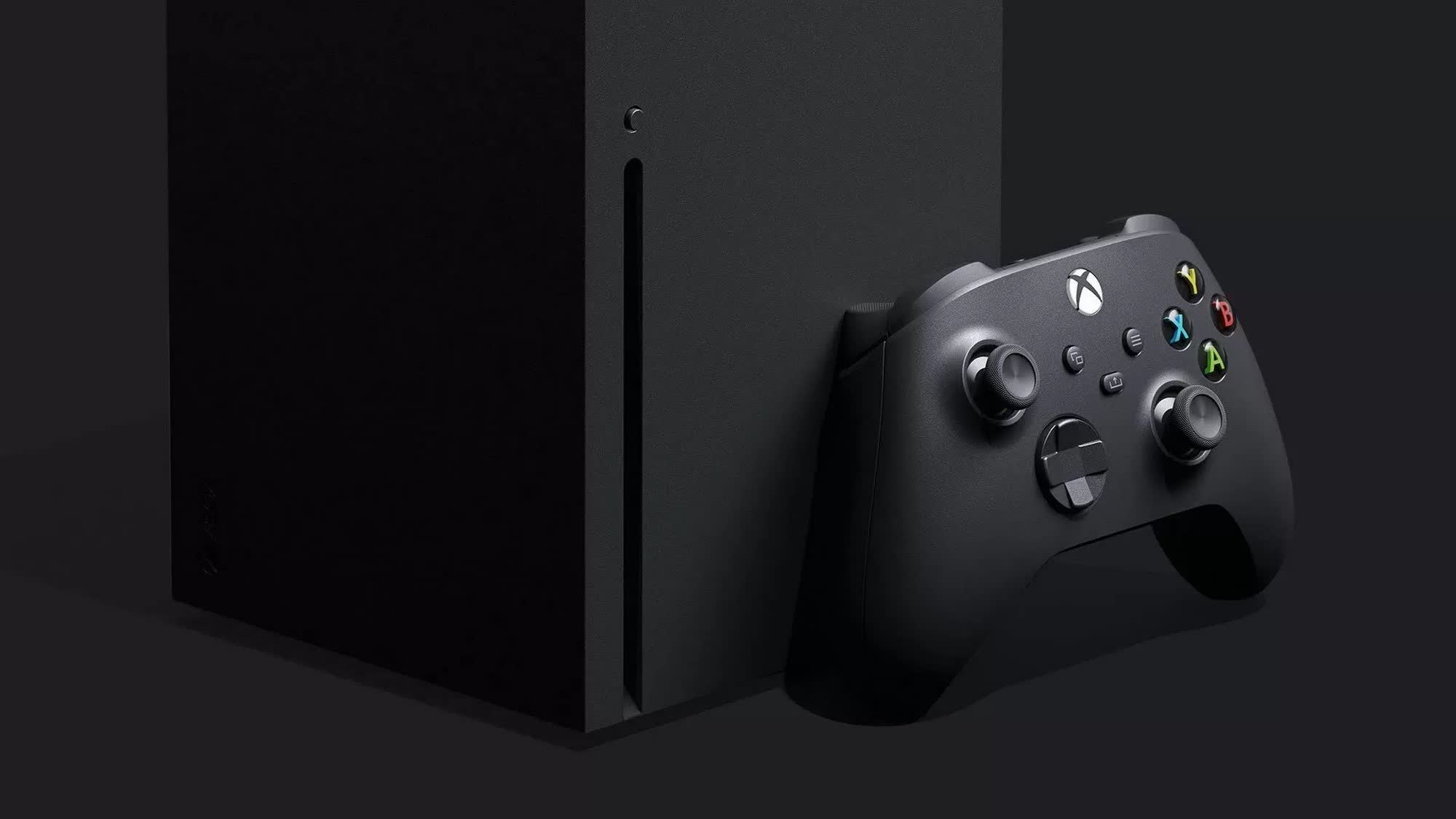
Microsoft may price its new machine closer to a gaming PC, but it remains unclear whether that is essentially what the company intends to sell.
In June, Microsoft announced that the device would support backward compatibility and reaffirmed its goal of making Windows the top destination for gaming. At the same time, AMD confirmed its collaboration with Microsoft to develop chips for Xbox and a range of related devices, leading to speculation that other PC manufacturers might release generic "Xbox" machines.
The upcoming Asus ROG Xbox Ally, with its "Xbox PC" branding and gaming-centric Windows interface, is likely a prototype for this initiative. Although some believe that future devices will include Xbox backward compatibility, Kepler claims this will not be the case.
Devices with Xbox PC branding may only play PC games, since third party publishers are unlikely to allow Microsoft to automatically transfer users' legacy game licenses to PC equivalents. Meanwhile, the company is developing a console that will support PC games while remaining distinct from traditional PCs. It is still unclear what features beyond Xbox backward compatibility would set the two apart.
Kepler also noted that a successor to the ROG Xbox Ally will use an APU based on AMD's upcoming Medusa architecture, featuring a Zen 6 CPU and 24 RDNA 5 compute units while drawing 28 watts. This would significantly improve performance compared to current handheld gaming PCs such as the Steam Deck and the ROG Xbox Ally.
A next-gen Xbox-PC hybrid could cost double the PlayStation 6


