
What we know so far: Microsoft recently reaffirmed its commitment to the console market after a string of setbacks cast doubt on the Xbox brand's long-term future. For years, rumors have suggested that the company's next-generation hardware would merge elements of Xbox and Windows, and new details continue to trickle in supporting that direction.
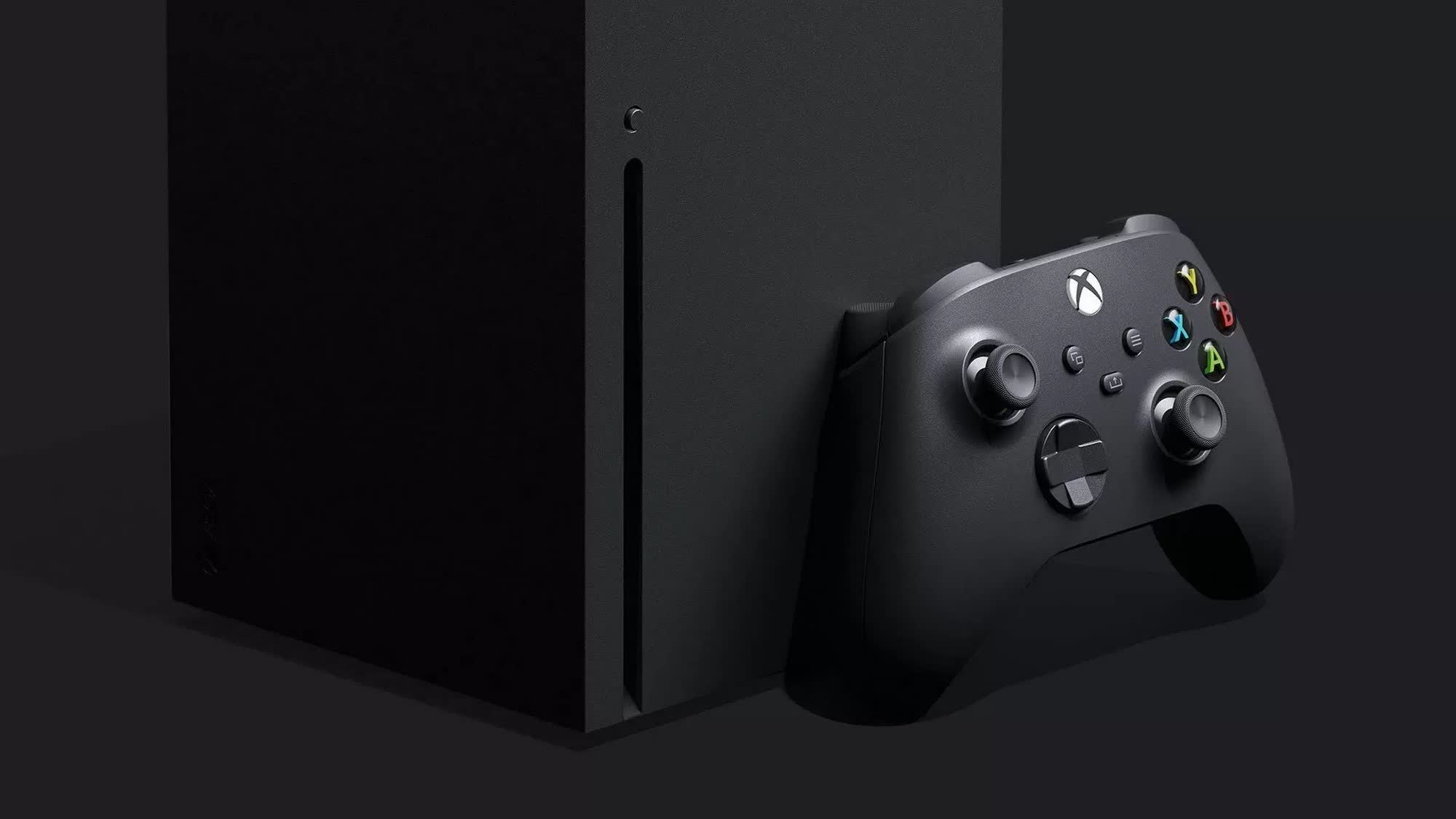
According to the rumor mill, the next Xbox console will have access to all Windows software and support all games currently available on Xbox Series consoles. The information matches earlier rumors regarding Microsoft's radical shift in strategy.
People familiar with the project recently told Windows Central and Digital Foundry that the Asus ROG Ally – sold under Xbox branding in some regions – effectively previews the next Xbox's user experience. The handheld gaming PC lets users launch titles from multiple storefronts through a controller-friendly interface without ever loading the standard Windows desktop.

Xbox president Sarah Bond described the new console as a "premium, curated experience," which may imply a storefront featuring games specially optimized for the hardware – similar to Steam's "Great on Deck" collection for the Steam Deck.
However, early feedback from ROG Ally owners suggests Microsoft still has considerable work to do before Windows feels as seamless as a traditional console interface or even SteamOS. The company is currently refining Windows for handheld and living-room use, minimizing performance overhead, and creating a startup process that resembles Xbox consoles.
Unlike the portable ROG Ally, the next-gen Xbox will natively run all Xbox Series titles, including backward-compatible Xbox One, Xbox 360, and original Xbox games, without requiring cloud streaming. Microsoft also plans to incorporate Auto Super Resolution upscaling and frame generation technology to enhance legacy titles.
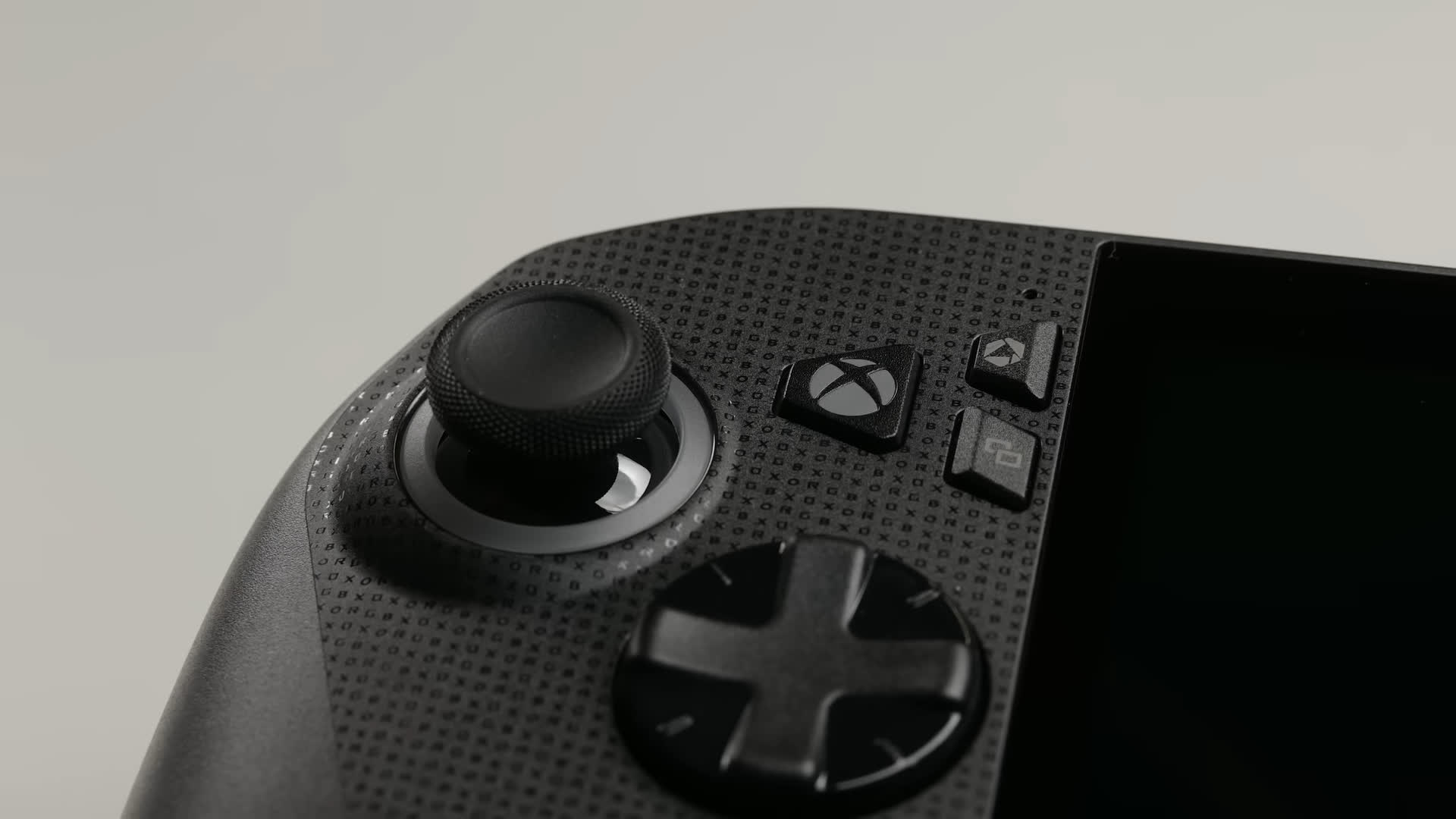
Because online multiplayer on Windows is traditionally free, adopting a Windows-based platform would likely remove Xbox's subscription paywall for online play. What this means for Game Pass – particularly PC Game Pass – remains unknown.
Prior reports suggested that the next Xbox will utilize an AMD APU codenamed "Magnus." Early specifications point to a 10-core design, positioning it well ahead of Sony's PlayStation 6 in raw performance, but also potentially driving up manufacturing cost and retail price. AMD has confirmed that it is collaborating with Microsoft on multiple unannounced devices.
Both Microsoft's and Sony's next-gen consoles, along with a rumored PlayStation handheld, are expected to leverage AMD's Zen 6 CPUs and RDNA 5 GPUs. These architectures should deliver major performance gains in ray tracing, path tracing, and machine learning workloads. The new devices are reportedly targeting a 2027 launch window.
Next-gen Xbox to feature full Windows, backward compatibility, and free online multiplayer


