TL;DR: As regulatory pressure intensifies, companies continue to adapt with new age-verification technologies and strategies. The expanding patchwork of laws and technical mechanisms is reshaping how people interact online, raising complex questions about security, privacy, and the shifting boundaries of internet freedom.

Efforts requiring users to verify their age before accessing online platforms – including social media, adult websites, and even news sources – are expanding rapidly in the United States and globally. Supporters claim these measures protect children from exposure to potentially harmful material, but critics warn of consequences for privacy, free speech, and universal internet access.
Across the US, more than 20 states have enacted laws mandating age checks online. These regulations typically require websites and apps to confirm users are of a certain age, usually 13, 18, or 21, before granting access to specific content. Approaches vary, with some states insisting that platforms with over one-third adult content verify users' ages, while others target any site deemed to host material "harmful to minors." The US Supreme Court has weighed in, upholding a Texas law preventing minors from viewing pornography online and permitting Mississippi's social media age check law to stand.
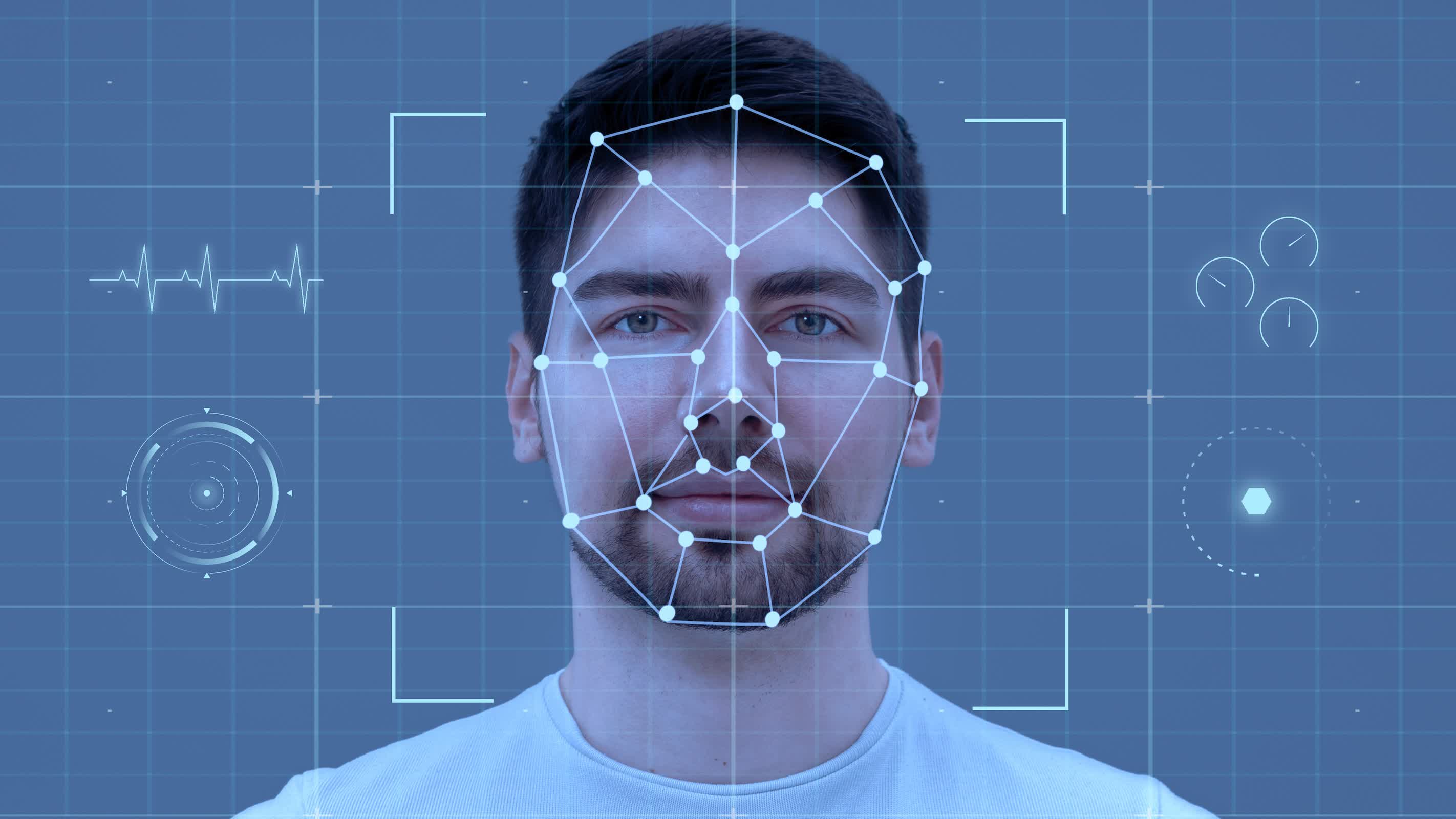
Federal legislation has not materialized, but the Supreme Court's involvement signals a significant shift in internet regulation. The legal battle continues as objections arise regarding the breadth and nature of these requirements, with several state laws currently facing ongoing court challenges.
Age verification has become a global trend. The United Kingdom now mandates users to prove their age before entering pornographic sites. European nations, such as France, are trialing government-managed verification applications. Australia has gone a step further, banning children under 16 from social media entirely, requiring platforms to implement compliance systems by next year.
While the intention behind age checks is widely understood, critics fear unintended outcomes. "I think that many of these laws come from a place of good intentions," Jennifer Huddleston, a senior fellow at the Cato Institute, told the Associated Press. "Certainly we all want to protect young people from harmful content before they're ready to see it."
But she and others argue that enforcing universal age verification undermines privacy and free speech, meaning not only minors but every online user must prove their age. This, they say, could result in restricting access to a broad range of information, from news to neighborhood forums.

Jason Kelley of the Electronic Frontier Foundation cautioned that this creates a divided internet – one accessible to those willing to identify themselves and another increasingly blocked from public view. "What's behind the gates is determined by a hundred different decision-makers," Kelley said.
Online age verification methods are diverse. Some platforms require government-issued IDs, while others use face scanning technology. AI-driven systems are being tested by companies such as Google, which has rolled out an experimental YouTube system to assess user age based on viewing habits, and Instagram, which has an AI tool to catch users lying about their age. Roblox requires a photo ID and facial scan for access to mature-rated games or enhanced chat functions.
However, technical flaws persist: face scanning algorithms often exhibit bias, struggling to accurately estimate age, gender, race, or physical characteristics, which can lead to intrusive secondary checks for some users. "Sometimes it's less accurate for women, or it's less accurate for certain racial or ethnic groups, or for certain physical characteristics, which may mean that those people have to go through additional privacy-invasive screenings to prove that they are of a certain age," Huddleston said.
The process of uploading government IDs or personal images for verification has triggered concerns about data security. Recent incidents, such as the Tea app breach, demonstrate how retaining verification files can lead to exposure of personal information. Hackers accessed not only identification images but also private messages after the app failed to promptly delete uploads as promised.
Big platforms, including Meta, have suggested that app stores should handle age checks to streamline the process, but companies like Apple and Google claim these proposals do not adequately address practical limitations, such as device sharing and pre-installed apps.
As laws take effect, smaller platforms report problems with compliance. Bluesky, a social platform, announced its planned withdrawal from Mississippi, citing the state's universal age verification rules as "challenging beyond its child safety goals, and creates significant barriers that limit free speech and disproportionately harm smaller platforms," according to a company blog post.
Age checks spread across the US as critics warn of privacy and free speech risks


