We compare the Radeon RX 9070 and 9070 XT across 52 games at 1440p and 4K, test how each responds to undervolting, and determine whether the XT model is worth its price premium.
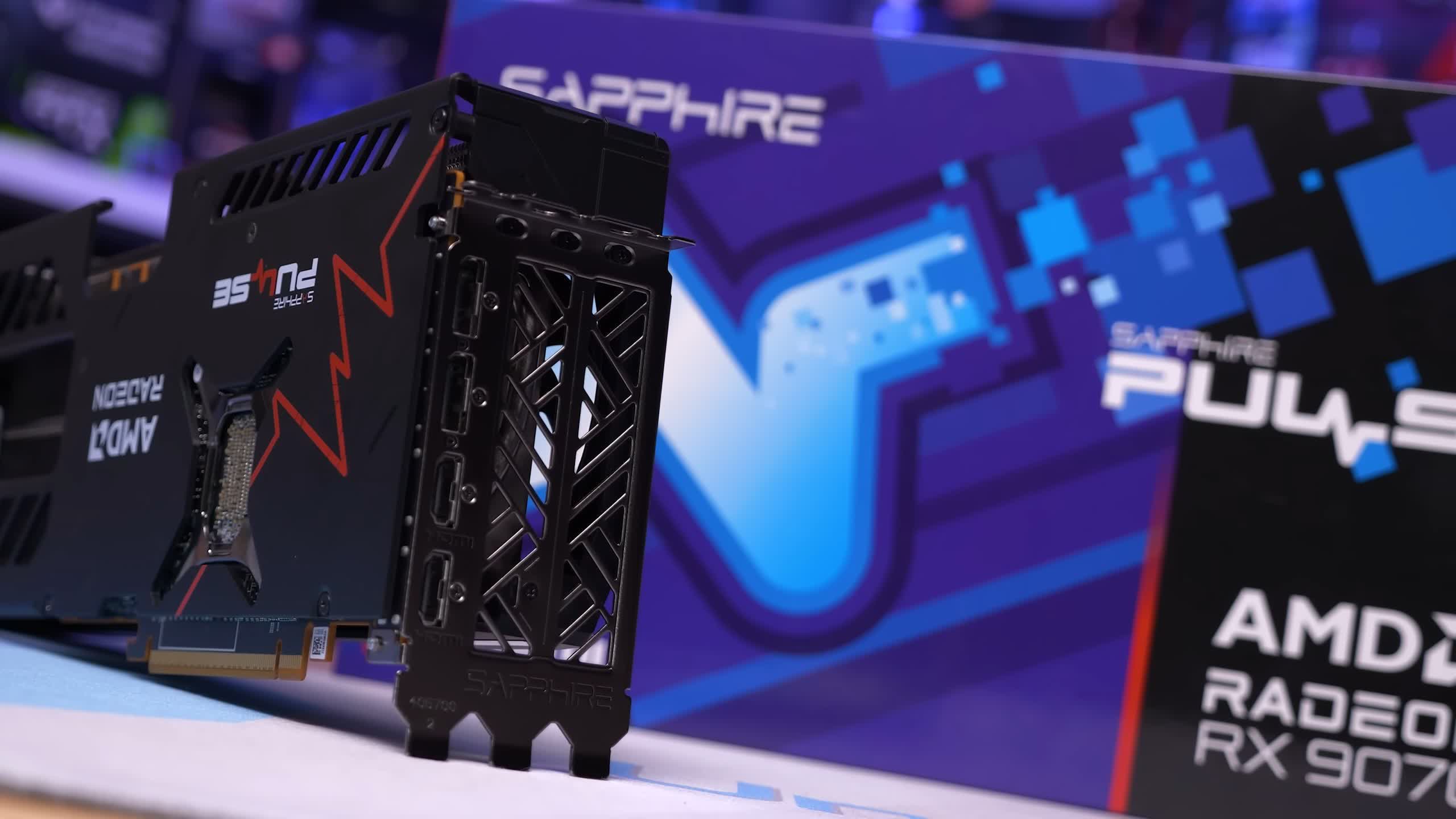
We compare the Radeon RX 9070 and 9070 XT across 52 games at 1440p and 4K, test how each responds to undervolting, and determine whether the XT model is worth its price premium.
 ).
).

It's true but if we look at the competition the 16 gig vram 5060ti is costing more than the 9070xt currently.The craziest thing I've seen the last 18 months is how all these tech sites forgot that the MSRP Launch price for the 9070 non-XT non-GRE was $499, and there was even a list of the Brand/Models that launched at $499.

No, that's not what happened. I had a 720 BE, a 3 core CPU that could be turned into a 4 core. Originally, they would only sell the 720 BE with chips that had a defective core but demand was so high that they ended up selling the 940s as 720s because at the time, no one really needed quad core GPUs and what over clockers we're doing were actually DISABLING cores to achieve higher over clocks. It wasn't uncommon at all for people to run their 940s as 2 cores because software scheduling and multi threaded software still very niche and really only worked in scientific workloads.Can anyone remember the old phenom ii BE processors from AMD?
The 4 core models could be flashed to use the full 6 cores because they only turned them off in firmware.
If you got lucky and they turned the cores off due to demand and not due to failing QT, one flash and your 4 core Phenom (which was on par with anything Intel had got for gaming) became a 6 core phenom.
And we all said we loved AMD for only turning cores off in firmware while we hated Intel for laser cutting the cores and removing any hope of flashing a better product.
And look now "you can't flash a 9070XT bios and get the cores working because AMD have laser cut them off at the factory!"
Oh, how times have changed!


I have a 5800X3D which I have always undervolted. In the BIOS hidden away is something called PBO curve optimiser. For my CPU you can generally do a -20 minimum but usually around -30 all-core undervolt which basically runs it at -90mV (each value is a 3mV change). In the same area you can also set manual values for the maximum power draw - I lower mine from 142W,95A,140A to 100W,70A,100A. It runs faster, quieter and way cooler. It does this because when it clocks up it no longer gets hot and clocks back down again. It's a win-win. You are basically trying to run your chip with as little power as possible while still allowing it to do all it's normal functions.That's so interesting that an under-volt increases performance! It is a 180 from the old days of increasing voltage and clock speed to gain performance. GREAT article Steven!
The situation was similar for the RX 6800 versus the 6800XT but, as I recall, the XT was about $200 more. The 6800 was about 10% slower, something I could easily live with, so the choice was easy. Also, the 6800 wasn't all that "crippled" and still featured 16GB of RAM. It's been an excellent card over the years!

You won't kill hardware with those settings. CPU's have protections.Note: Don't go messing with this unless you have done the research first though! These values are all dependent on the processor you have and you could do bad things if you put in the wrong numbers.