Apple races to shift iPhone production for the US to India by 2026

Skye Jacobs

Posts: 2,010   +58
Staff
Forward-looking: Apple is preparing a dramatic overhaul of its global manufacturing strategy, aiming to move all assembly of iPhones destined for the US market from China to India by the end of 2026. This ambitious plan, which the Financial Times confirmed with multiple sources close to the company, is a direct response to escalating trade tensions and steep tariffs imposed by the Trump administration on Chinese imports, which have threatened to drive up the cost of Apple's flagship product and disrupt its finely tuned supply chain.
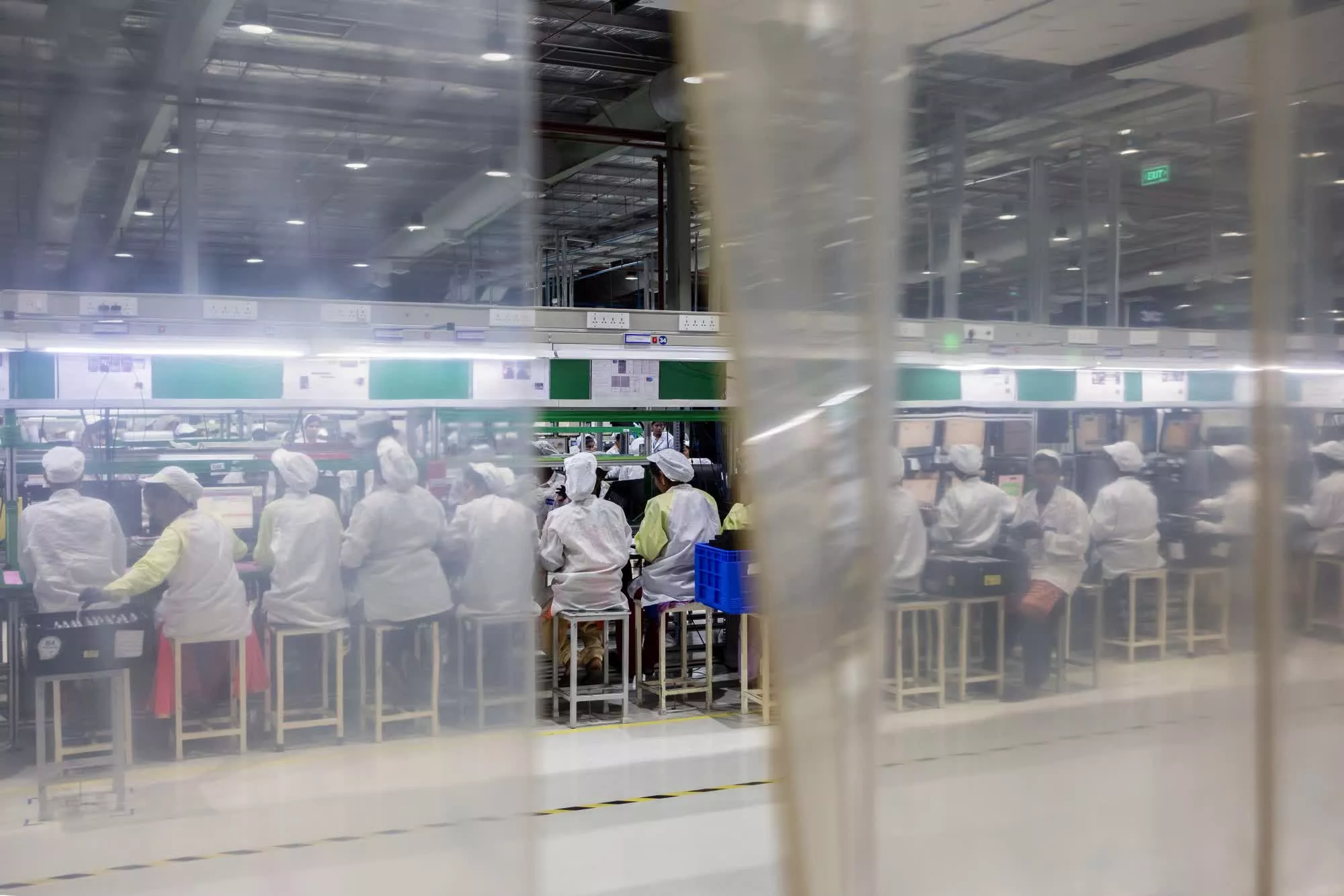
For nearly two decades, Apple has relied on China as the backbone of its iPhone production, leveraging the country's vast manufacturing infrastructure and skilled workforce to meet global demand. About 80 percent of the more than 60 million iPhones sold annually in the US are assembled in China, primarily through third-party partners such as Foxconn. However, the US government's imposition of tariffs as high as 145 percent on Chinese goods has forced Apple to accelerate its efforts to diversify production.

India has emerged as the focal point of this strategic shift. In recent years, Apple has been gradually ramping up its manufacturing presence in the country, working closely with partners Tata Electronics and Foxconn. The company began assembling iPhones in India in 2017, initially focusing on lower-cost models and expanding to flagship devices in 2023.

To meet its new target, Apple will need to double its annual iPhone output in India from about 40 million to more than 80 million units, which will require significant investment and expansion of local facilities.
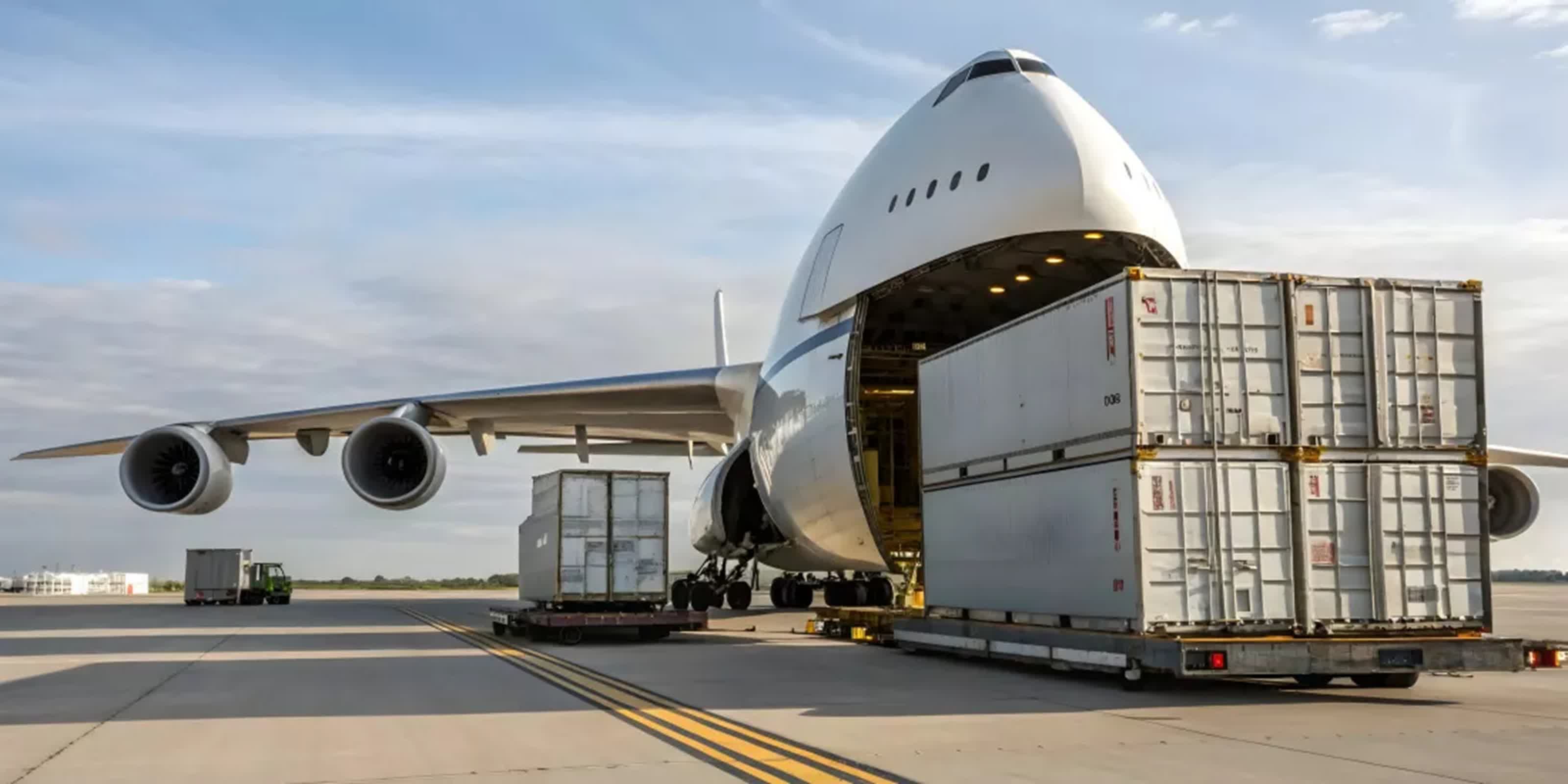
The urgency behind this transition became evident when Apple, anticipating the impact of tariffs, began shipping Indian-assembled iPhones to the US ahead of new levies taking effect. In April, the company reportedly flew as many as 1.5 million iPhones into the United States to beat the tariff deadline, even lobbying Indian airport authorities to expedite customs clearance.

Despite these efforts, Apple still faces challenges, as manufacturing costs in India are estimated to be 5 percent to 10 percent higher than in China, due in part to higher import duties on components and the need to import pre-assembled parts from China.

The shift is not without complications. While India offers a promising alternative, the country's manufacturing ecosystem is still developing. Reports indicate that some Indian factories have struggled to meet Apple's stringent quality standards, with yield rates lagging behind those of their Chinese counterparts.

Moreover, Apple's reliance on Chinese suppliers for key components means that the company's supply chain will remain intertwined with China for the foreseeable future.

The Trump administration's tariff strategy has created a volatile environment for multinational companies like Apple. While smartphones have been temporarily exempted from the harshest tariffs, a separate 20 percent rate still applies to Chinese imports, and the threat of further levies looms.

India, too, has faced a 26 percent tariff on its exports to the US, though this has been suspended for 90 days as trade negotiations continue.

Ultimately, Apple's move to shift US-bound iPhone assembly to India marks one of the most significant realignments in the company's manufacturing history.

Permalink to story:

 
So what's the point of the Tariffs if Apple still won't be manufacturing that hardware in the U.S?...if anything India has worst labor practices than China, worst quality control and the manufacturing will end up costing more equals higher prices to U.S consumers regardless.

So much for Trump's promises of "bringing jobs back to the U.S"....another lie of his.
 
Last edited:
So what's the point of the Tariffs if Apple still won't be manufacturing that hardware in the U.S?...if anything India has worst labor practices than China, worst quality control and the manufacturing will end up costing more equals higher prices to U.S consumers regardless.

So much for Trump's promises of "bringing jobs back to the U.S"....another lie of his.
100%! Grease Trumps palm, you get a tariff pass. It's comically unfair to the small companies that don't have the capital to grease Trumps tiny little hands.
 
Wait, why is Apple moving production of the iPhone to India? I thought all manufacturing jobs were coming back to the USA? Was that not true? Did Trump tell a lie for the first time ever?? *roll eyes*

All kidding aside, manufacturing jobs are NEVER coming back to the USA. Especially not something with as high of a profit margin as iPhones. Get that through your thick MAGA skulls. No amount of threats, tariffs, and bluster from the Orange Clown is going to make a difference. America is basically the most expensive place to manufacture anything. These companies will move their production to any other country besides the USA.
 
Last edited:
100%! Grease Trumps palm, you get a tariff pass. It's comically unfair to the small companies that don't have the capital to grease Trumps tiny little hands.
Why do you have to grease Trump's palm? His entire body is already covered in grease. Have you seen what he looks like during one of his megalomaniacal cult speeches? He looks greasier than a lubed up WWE wrestler.
 
So what's the point of the Tariffs if Apple still won't be manufacturing that hardware in the U.S?...if anything India has worst labor practices than China, worst quality control and the manufacturing will end up costing more equals higher prices to U.S consumers regardless.

So much for Trump's promises of "bringing jobs back to the U.S"....another lie of his.

1. We got $500 Billion+ invested in the US since January. That’s jobs. And we didn’t have to bribe these companies with billions of Taxpayer Dollars upfront like Biden foolishly did with Build Back Better. Which by the way is still well behind schedule for something we ALREADY PAID FOR.


2. The win here is convincing companies to move jobs and by extension technology (especially tech which might be sensitive to our national security) out of hostile CCP-controlled China (sorry CCP shills!) Also note how there’s no winning with the TDS crowd. First they wailed at the thought of hypothetical $2300 iPhones made in America, now they’re upset that the iPhones will stay cheap after all, just made in India instead of China. Make up your friggin minds!
 
1. We got $500 Billion+ invested in the US since January. That’s jobs. And we didn’t have to bribe these companies with billions of Taxpayer Dollars upfront like Biden foolishly did with Build Back Better. Which by the way is still well behind schedule for something we ALREADY PAID FOR.


2. The win here is convincing companies to move jobs and by extension technology (especially tech which might be sensitive to our national security) out of hostile CCP-controlled China (sorry CCP shills!) Also note how there’s no winning with the TDS crowd. First they wailed at the thought of hypothetical $2300 iPhones made in America, now they’re upset that the iPhones will stay cheap after all, just made in India instead of China. Make up your friggin minds!
"The win here" ???..moving them from China to India and skipping all the potential jobs that Trump was supposedly so eager to bring back?

Ha ha ha

Such a weird perception of a "win"
 
Last edited:
It's very simple.
American companies produce products in countries with cheap, exploitable workers.
Not exactly "slave labor" - they have an option to "work" on the mean streets.
We, the people, get manufactured goods and trade little pieces of paper that represent our work hours for them.
The corporations gain ungodly amounts of profit.
Yet another country grows more powerful and stronger and becomes our enemy eventually.
First Japan, then China, now India.

The major difference between China and India however is ORDER.
PRC keeps China in order. The streets are spotless, the trains run on time, dissent isn't tolerated.
India doesn't have that. Maybe they will when we feed them a few trillion dollars. Maybe India will be the next Dubai or Abu Dhabi.
 
It's not so much bringing all the jobs back to the USA. Post WW2 manufacturing dominance is sadly long gone thanks to stockholders & CEO's.
It's more to get a couple things.
1. More favorable and FAIR trading with other countries.
2. More importantly, it's to help cripple the Communist China government, without firing a shot.
 
1. We got $500 Billion+ invested in the US since January. That’s jobs. And we didn’t have to bribe these companies with billions of Taxpayer Dollars upfront like Biden foolishly did with Build Back Better. Which by the way is still well behind schedule for something we ALREADY PAID FOR.

Which ones are behind the schedule? The large ones like TSMC, Hyundai, Toyota were ready and in operation last year before the election. Sure, TSMC is committing more investment but their facilities built with CHIPS help were ready way before November 2024.

As a rule of thumb, you attract more bees with sugar than vinegar. And when the sugar is not working you need committed allies to start the vinegar side together. That is if you want success.

America is on her way down, that much is clear and Trump’s administration only accelerated the process.
 
This is literally direct evidence that Trumps strategy is working. Love or hate him as much as you want, companies moving manufacturing away from China is one of his stated objectives and has been for decades.

I can see a lot in the comments here are upset that the slave labour factories are becoming less profitable for globalised corporations. I genuinely bewilder at how anyone but a truly heartless individual can be upset at any of this.
 
I know this is a hard concept for simpletons, especially the "Trump hate crowd" but try and keep up.

Tariffs on China are not just about bringing manufacturing back to the U.S. That has been said many times, they’re also a tool to prevent China from unfairly profiting off the American market. Over the years, China has benefited from practices with heavy government subsidies, intellectual property theft, and dumping products at artificially low prices. These practices hurt not only U.S. businesses, but other countries that trade fairly, and give China an unfair advantage.

By imposing tariffs, the U.S. makes Chinese goods more expensive here, helping to level the playing field for American companies and those with fair trading practices. After all, we all must have the latest, greatest phones every year right? However, that doesn’t mean we should let unfair trade practices flood our market and undermine our economy. It’s not just about trying to move factories back home, it’s about protecting American innovation, ensuring fair competition, and pushing China to play by the rules.

Those of you condoning using Chinas cheap labor should be ashamed. Are you saying we should turn a blind eye to where these products come from. You do realize that much of that cheap manufacturing relies on low wages, poor working conditions, and even forced labor in some cases, but I guess that makes you sleep better at night knowing it isn't happening here right?
 
I know this is a hard concept for simpletons, especially the "Trump hate crowd" but try and keep up.

Tariffs on China are not just about bringing manufacturing back to the U.S. That has been said many times, they’re also a tool to prevent China from unfairly profiting off the American market. Over the years, China has benefited from practices with heavy government subsidies, intellectual property theft, and dumping products at artificially low prices. These practices hurt not only U.S. businesses, but other countries that trade fairly, and give China an unfair advantage.

By imposing tariffs, the U.S. makes Chinese goods more expensive here, helping to level the playing field for American companies and those with fair trading practices. After all, we all must have the latest, greatest phones every year right? However, that doesn’t mean we should let unfair trade practices flood our market and undermine our economy. It’s not just about trying to move factories back home, it’s about protecting American innovation, ensuring fair competition, and pushing China to play by the rules.

Those of you condoning using Chinas cheap labor should be ashamed. Are you saying we should turn a blind eye to where these products come from. You do realise that much of that cheap manufacturing relies on low wages, poor working conditions, and even forced labour in some cases, but I guess that makes you sleep better at night knowing it isn't happening here right?
I'm no expert on international trade but it was my understanding that Apple was an American company. In my view Apple are exploiting both the Chinese people (cheap labour) and American people (high margins on products sold). The strange part is that you have both countries hating on each other while the companies that created and profiteered off the trade imbalance get to move onto the next low cost manufacturing country while continuing to rake in obscene profits. I'm sure the wages and working conditions in India will be no better than China and I'm sure it wont reduce the cost of Apple products in America so it will remain status quo.
 
I'm no expert on international trade but it was my understanding that Apple was an American company. In my view Apple are exploiting both the Chinese people (cheap labour) and American people (high margins on products sold). The strange part is that you have both countries hating on each other while the companies that created and profiteered off the trade imbalance get to move onto the next low cost manufacturing country while continuing to rake in obscene profits. I'm sure the wages and working conditions in India will be no better than China and I'm sure it wont reduce the cost of Apple products in America so it will remain status quo.
You're 100% right. Apple is an American company, but like many global corporations, it has built its success by outsourcing production to places where labor is cheap, first China, and now increasingly India and other low-cost countries. Yes the corporations themselves often profit the most, while workers abroad face tough conditions and consumers at home still pay premium prices. Just look at the gaming PC situation, it is no better, Apple isn't the only one.

What tariffs are trying to address isn’t just the behavior of companies like Apple, it’s about the broader system that allows countries like China to manipulate trade rules to their advantage. China isn’t just a low-cost labor market, it has also used massive state subsidies, currency manipulation, and technology theft to tilt the playing field unfairly against not just the U.S. but all nations. Tariffs are a way of pushing back on that larger system.

You're also right that simply moving production to another country like India won't automatically fix the labor or pricing issues. That’s why some people argue for a more comprehensive approach, not just tariffs, but also enforcing labor standards globally, rethinking supply chains, and creating real incentives for companies to invest more at home.

At the end of the day, it's complicated and not simple and you're thinking about exactly the right issues. Others? not so much, and frankly, we could even toss the current president into that category. But I digress the presidency before him did little to solve these problems too and, in some ways, only made them worse. The truth is, the failures span multiple administrations, while the corporations and politicians keep finding new ways to profit.

In the end, consumers are the ones who pay, one way or another. Unfortunately, some companies that aren’t even subject to these tariffs yet are already using them as an excuse to raise prices and pad their margins and that’s far worse. Those companies deserve to be boycotted, but that's a whole other topic for another time.
 
Back