WTF?! Human waste could one day usher in a new golden era of environmentally friendly infrastructure. Companies and researchers around the world are working to turn morning sludge into a legit source of renewable energy, and one particular venture in Spain is now eyeing a full-scale development of the technology.
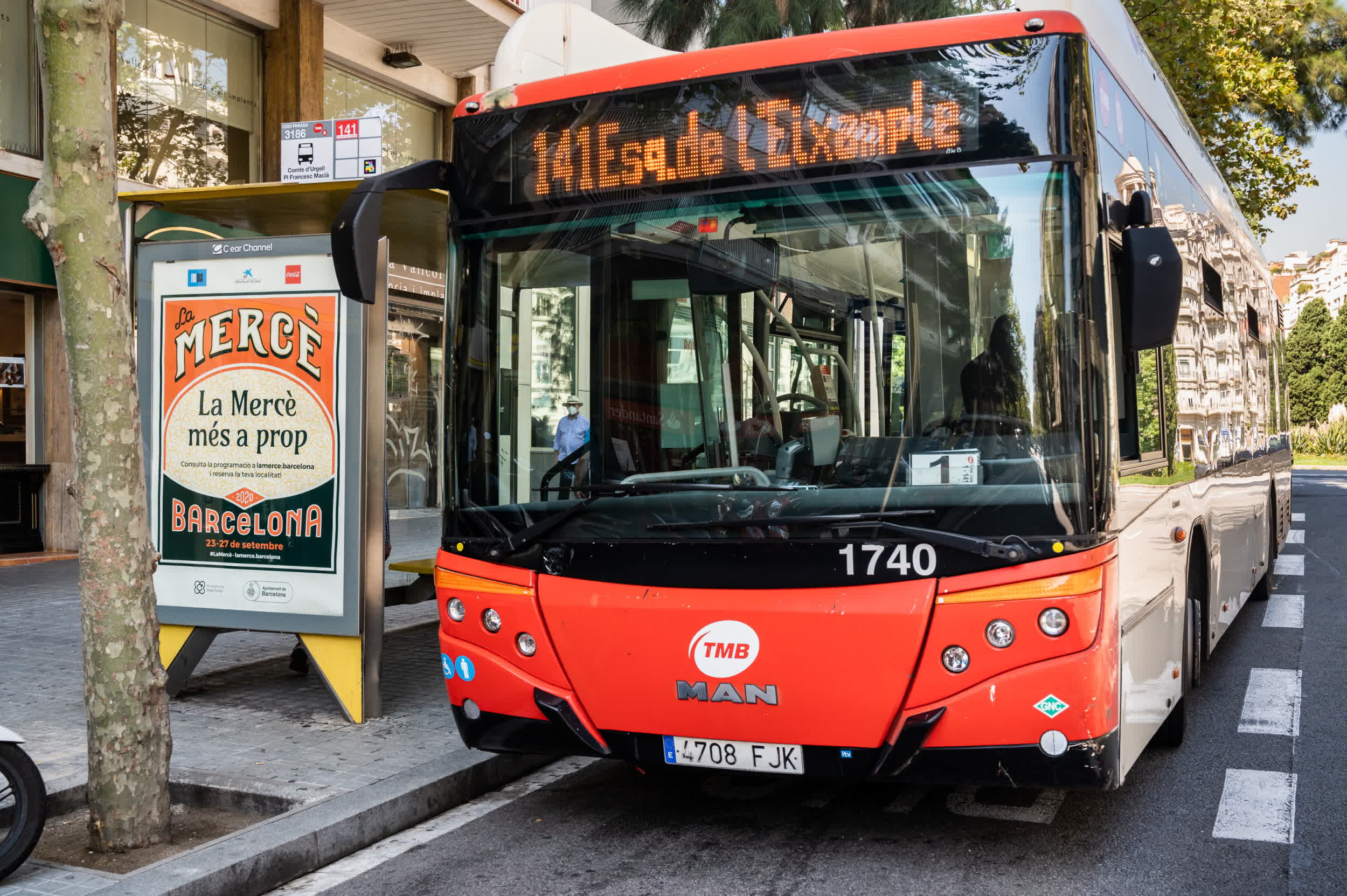
Spanish researchers turned the V3 bus line in Barcelona into an experimental vehicle running on pure renewable natural gas. For five years, researchers at the city's water distribution company (Veolia) worked in partnership with the Barcelona public transport company (TMB) and the Autonomous University of Barcelona to fuel public transportation with biomethane from human sludge.
The researchers used the Baix Llobregat treatment plant, one of the largest industrial water purification plants in Europe, to develop a renewable fuel which emits 80 percent less carbon dioxide than natural gas. The plant is designed to process around 400,000 cubic meters of wastewater per day, with 95 percent of the water being "regenerated" and reused in agricultural and urban irrigation, groundwater replenishing, and more. It can even be used to produce drinking water during extreme droughts.
The human waste part is usually turned into dry material for agricultural uses, with 250 metric tons of this particular substance produced by the facility each day. Also known as "Nimbus," the Barcelona project turned 4 cubic meters of sludge per hour into tens of kilograms of biomethane, making enough fuel to run the V3 bus line for 100 kilometers every day.
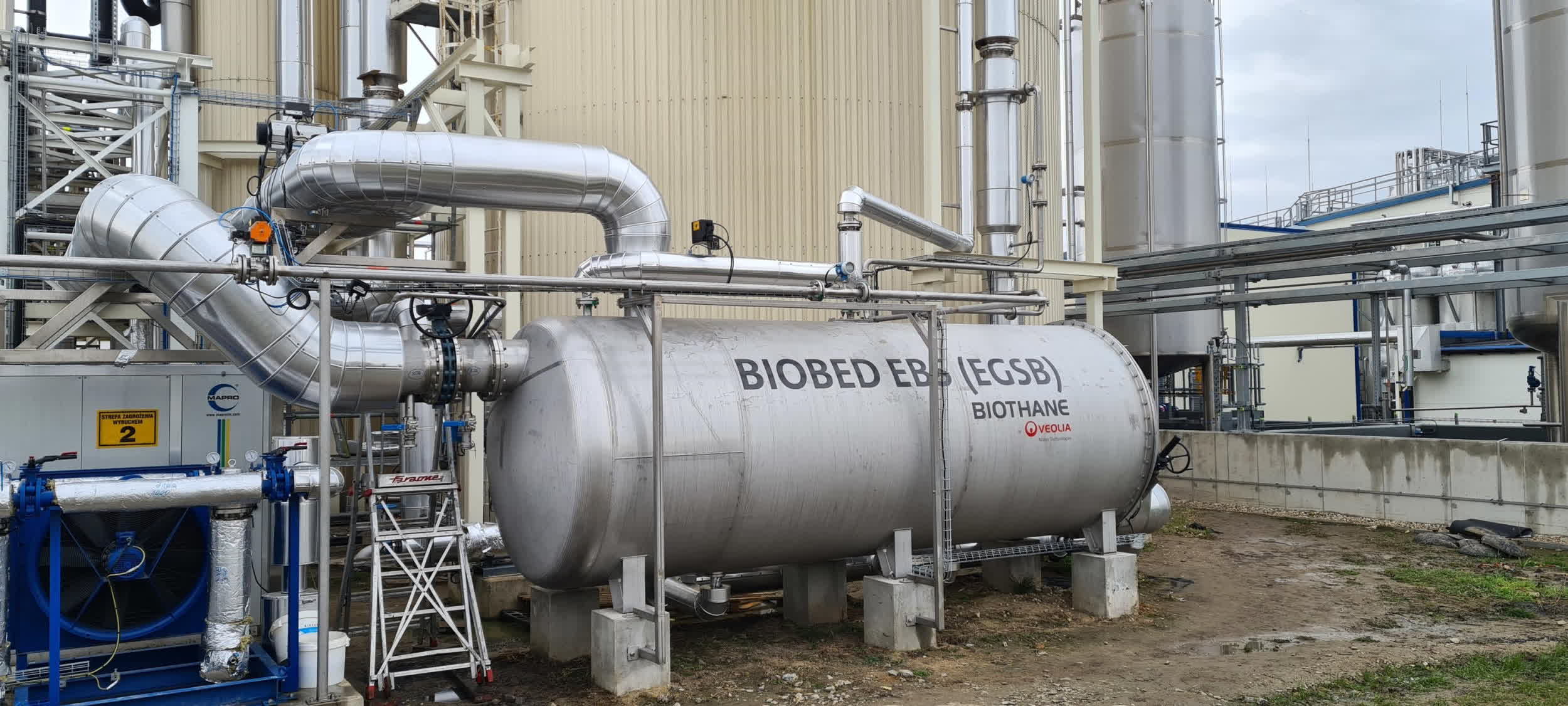
Biomethane is a renewable fuel made by refining biogas to a methane concentration of 90 percent or higher. By removing CO2 and other impurities, the biomethane is pure enough to be delivered directly through existing gas pipelines or used in vehicles with natural gas-powered engines. According to Spanish researchers, biogas coming from human sludge contains 65 percent methane and 35 percent of carbon dioxide.
Veolia's process for producing biomethane doesn't involve a separation of the two gases, though. The researchers combine the CO2 with hydrogen, which comes from the treatment plant's water and renewable sources, to turn "nearly" all the biogas into biomethane. The fuel does not emit more CO2 than the amount it stores, but very small quantities of nitrogen oxides and fine particles are produced.
In any case, the biomethane used for the V3 bus route should be in line with the Euro VI emission standards imposed by EU regulations. The Nimbus project is focused on covering transportation needs in the outskirts of Barcelona city, where electric buses aren't efficient enough due to their lower passenger capacity and limited range.
After a successful five-year run, the Nimbus experiment is now going to "fuel" a new project named SEMPRE-BIO. The Spanish researchers will put what they have learned so far to good use, increasing biomethane production to 10 to 12 cubic meters per hour to feed an additional bus line. Eventually, they hope these limited pilot projects will grow to full-scale industrial initiatives for public transportation based on truly renewable sources. And nothing is quite as renewable as human waste.


