Something to look forward to: BMW's M division is preparing to unveil its most radical project yet: an all-electric performance model built from the ground up on the company's new Neue Klasse platform. The car, expected to debut next year, will be the first "true" M-branded EV – a milestone that marks BMW's transition from conventional high-performance engineering to an architecture defined by software, electrification, and precision control.
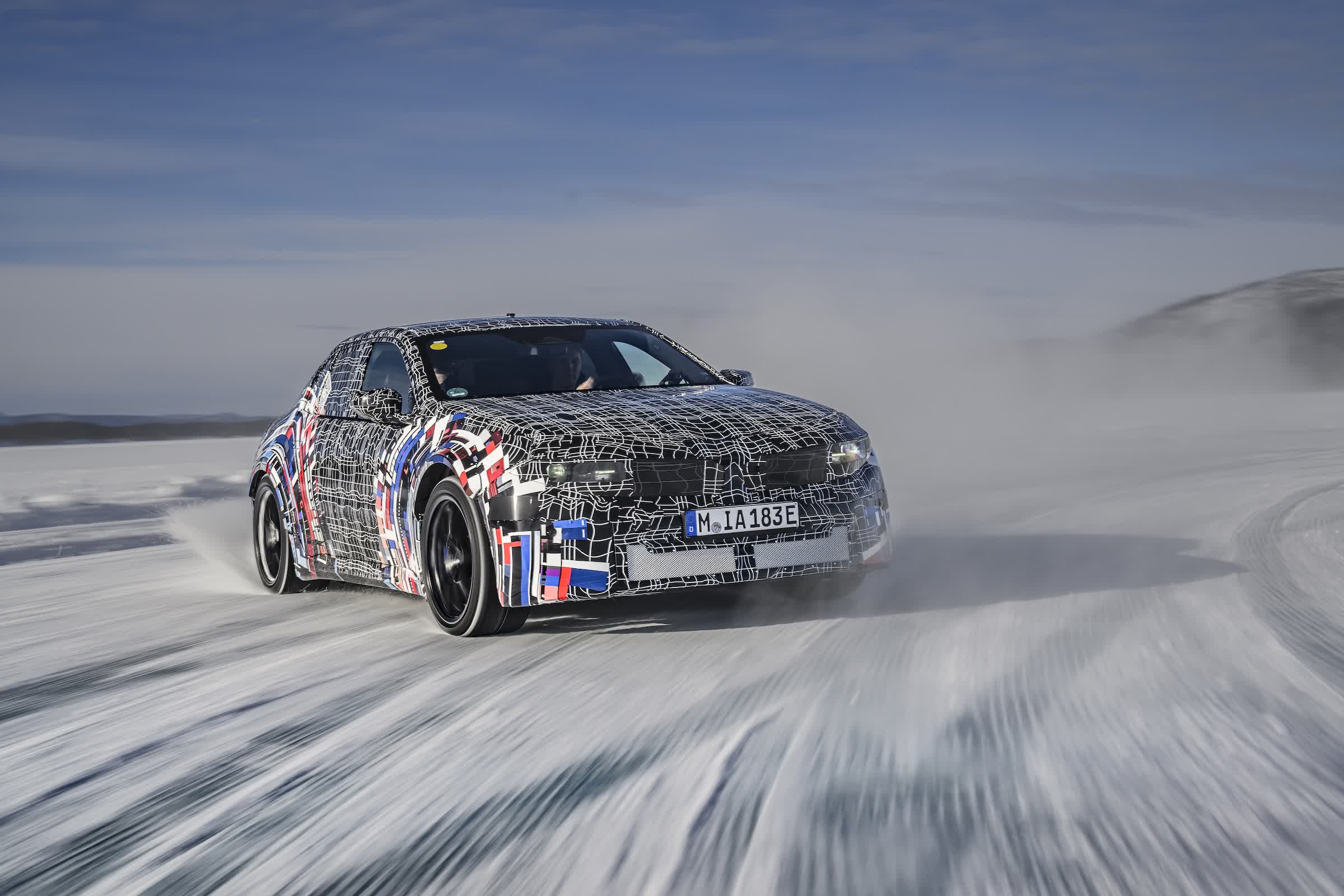
BMW has offered faster versions of its electric sedans and SUVs before, including the i4 M50, iX M60, and i7 M70. But internally, BMW never considered those to be genuine M cars. They were tuned for more power, not reengineered for motorsport-grade handling. The upcoming model, rumored to be named the iM3, is intended to change that distinction for good.
Instead of filling the vehicle with hundreds of independent control units for each function, Neue Klasse relies on a few high-performance computers that coordinate dozens of systems. One unit governs the infotainment and user interface, another manages automated driving and safety features, while a third handles functions like climate control and window operation.
The critical one for this M car, however, is what BMW calls the Heart of Joy.
This central processor runs custom software known as BMW M Dynamic Performance Control, which orchestrates the car's motion control systems. It promises response times up to ten times faster than current M models, a leap that directly influences steering precision, traction management, and torque vectoring.
The importance of that speed becomes clear when considering what it has to manage: four electric motors, one for each wheel, controlled through front and rear M-specific drive units.
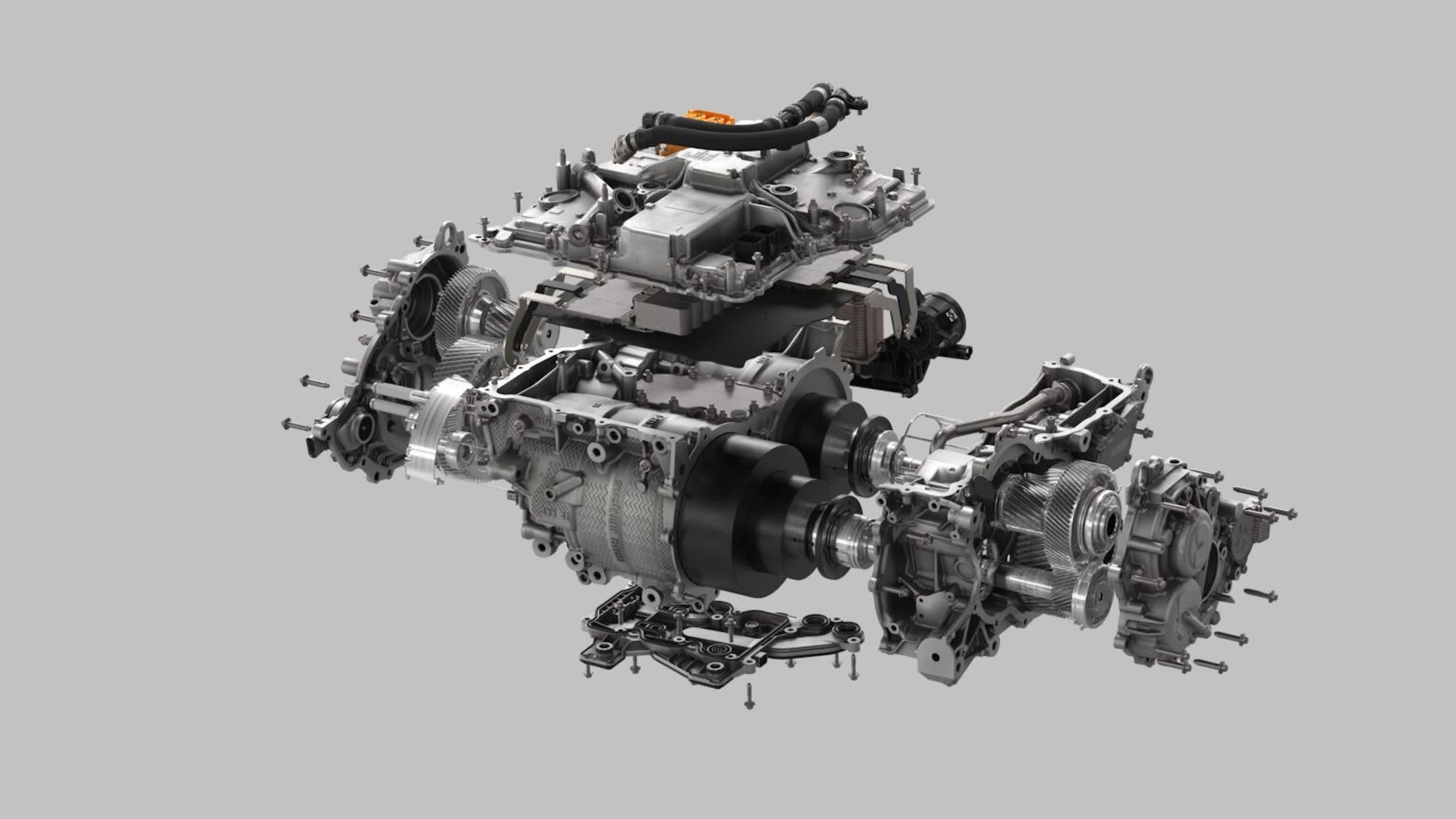
BMW's M Neue Klasse drive unit
Each drive unit houses two motors arranged in parallel, paired with its own gearbox and power electronics. BMW has not yet disclosed the exact motor type used here, though all indications point to high-efficiency permanent magnet synchronous motors.
The multi-motor setup allows engineers to independently modulate power to each wheel, enabling sharper cornering, immediate torque redistribution, and track-level control without mechanical differentials.
That precision extends to the battery system. Engineers designed an M-specific high-voltage pack derived from the Neue Klasse's standard 108.7 kWh configuration.
For this version, the company optimized the cylindrical cells for higher power delivery, reduced internal resistance, and introduced two-sided cooling to sustain performance under heavy load. Though the total capacity may hover near 100 kWh, the layout within the pack has been modified for improved power density without altering the chemistry itself.
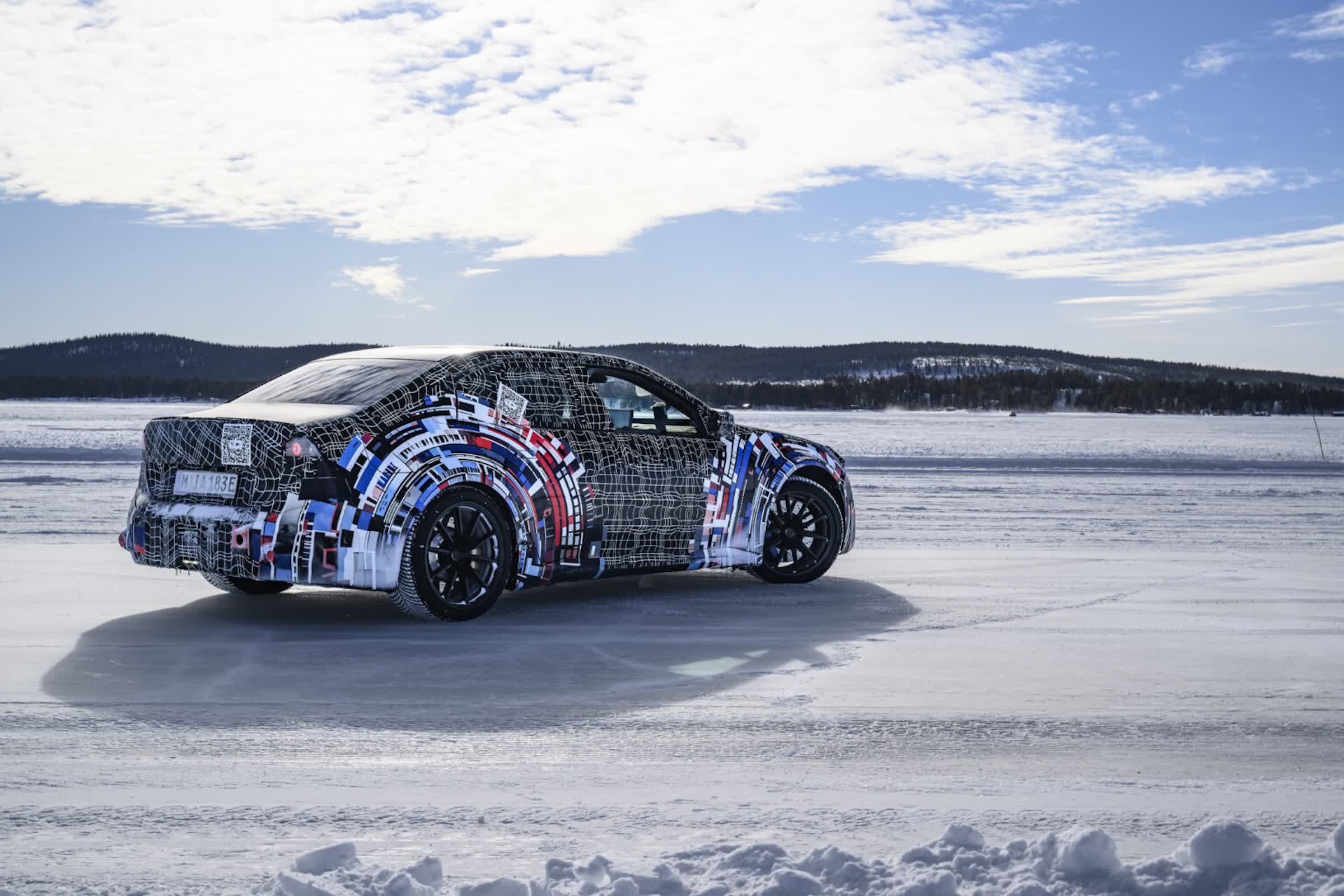
Taking cues from the Hyundai Ioniq 5 N, the new M EV will include a simulated gearshift function using paddles on the steering wheel. The feature remaps pedal inputs to mimic the rhythm of a traditional transmission, even incorporating a virtual "rev limiter" for tactile feedback. Purists who prefer a smoother, uninterrupted drive can simply disable the system.
Amid all this technology, BMW hasn't overlooked sustainability. The Neue Klasse architecture is built with low-carbon materials, including a composite from Swiss supplier Bcomp that replaces carbon fiber. The material emits roughly 40 percent less CO₂ in production while preserving the strength-to-weight balance expected in a performance chassis.
BMW M goes fully electric, powered by a computer called "Heart of Joy"


