The 2027 BMW i3 is here, and it's nothing like the hatchback you remember

zohaibahd

Posts: 976   +19
Staff
In context: BMW has pulled the covers off the i3, and if that name sounds familiar, it should – there was an i3 before. That earlier model was a quirky electric hatchback that looked like nothing else on the road. It was discontinued in 2022 after a nine-year run. BMW wasn't ready to let the name go entirely, though, so now it's back – only this time, it shares nothing with its predecessor except the badge. The new i3 is a proper sedan for the first time and, more importantly, the first fully electric version of the 3 Series.
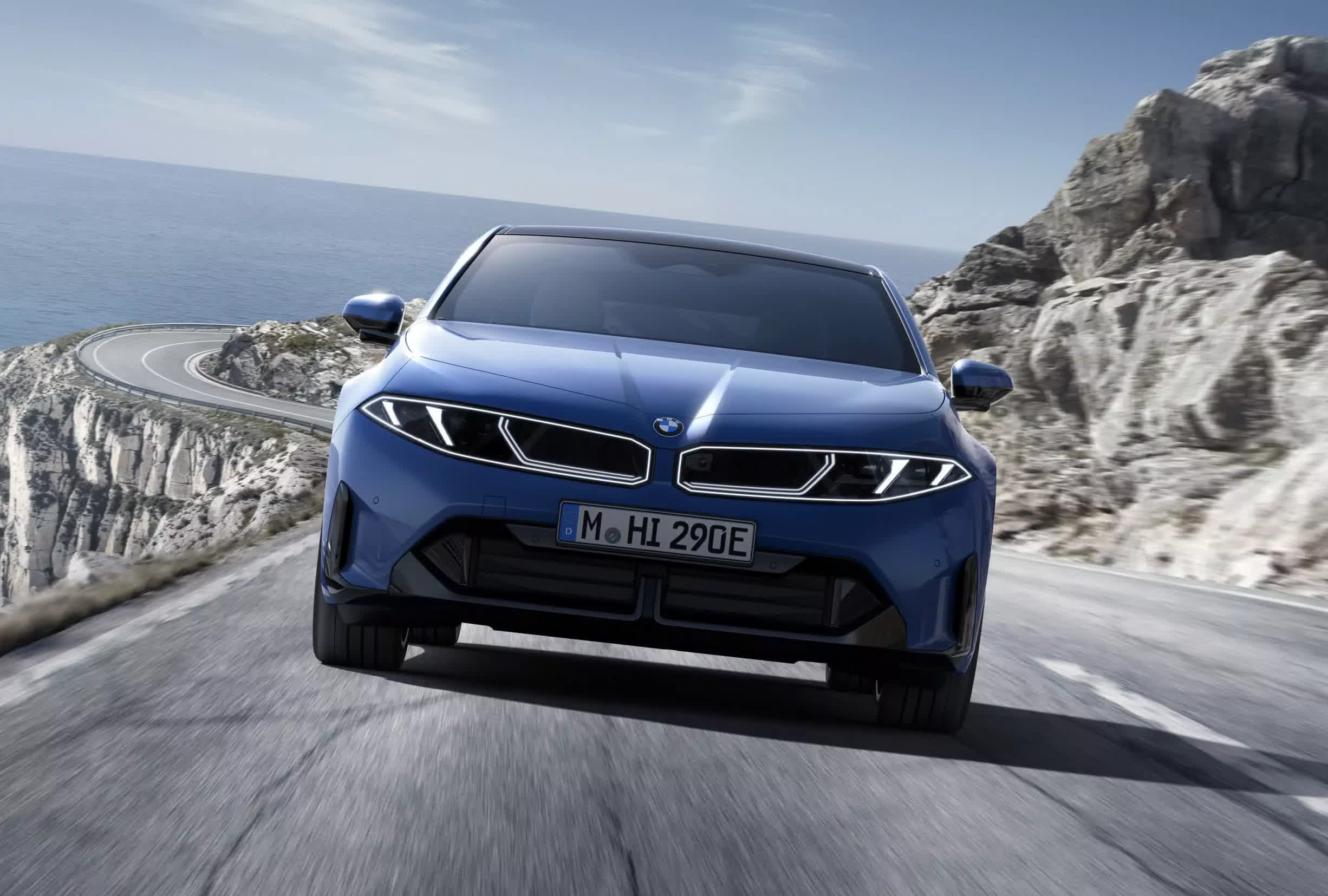
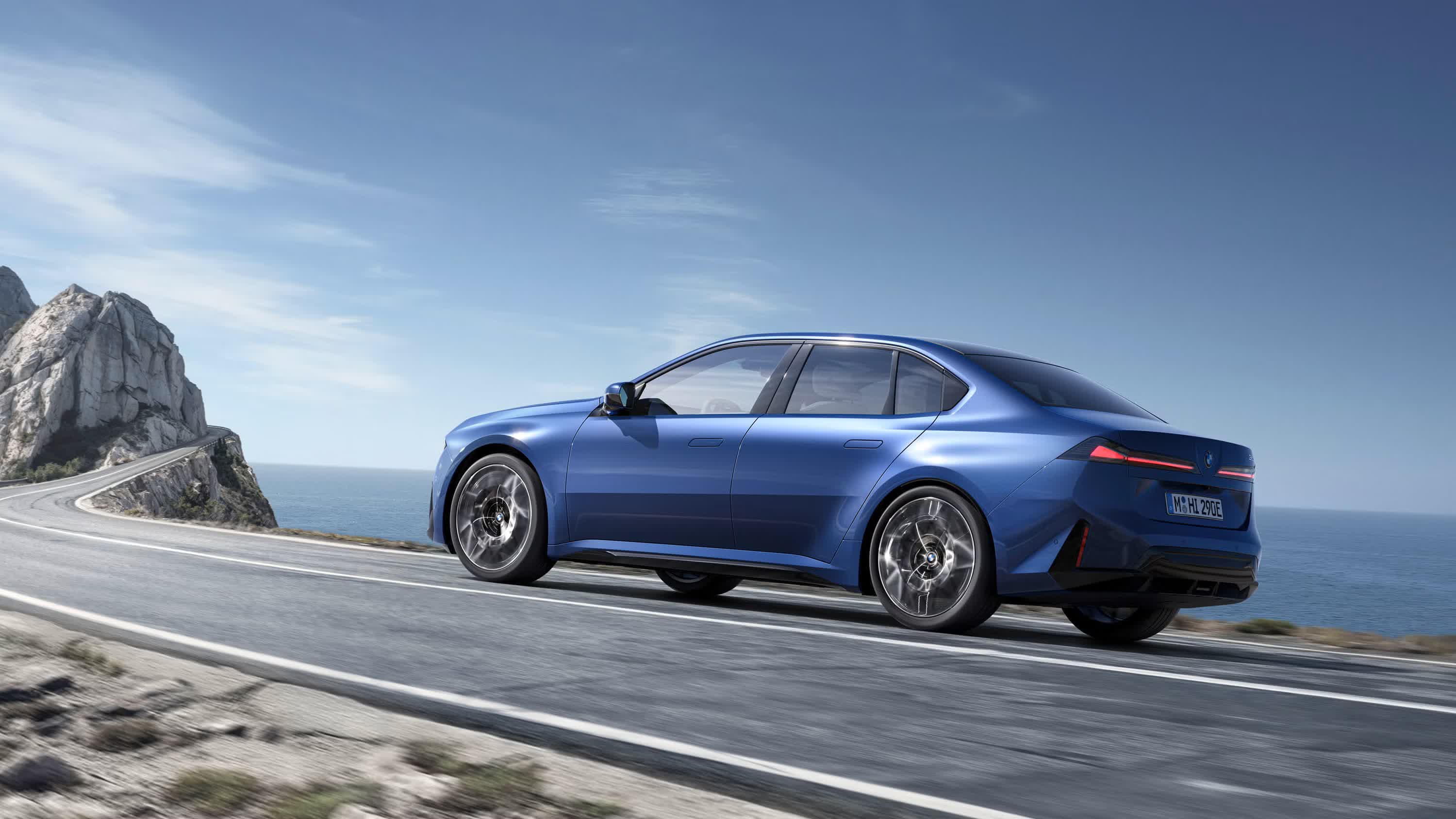
The 3 Series has essentially defined BMW's identity for more than 50 years, so electrifying it was never going to be a small move, and the company clearly didn't treat it as one. The result is arguably the best-looking design BMW has produced since the start of its electrification era. The oversized, beaver-tooth grilles that once sparked widespread criticism are now gone. In their place is a sharper, more pointed nose with horizontal kidney grilles that light up.
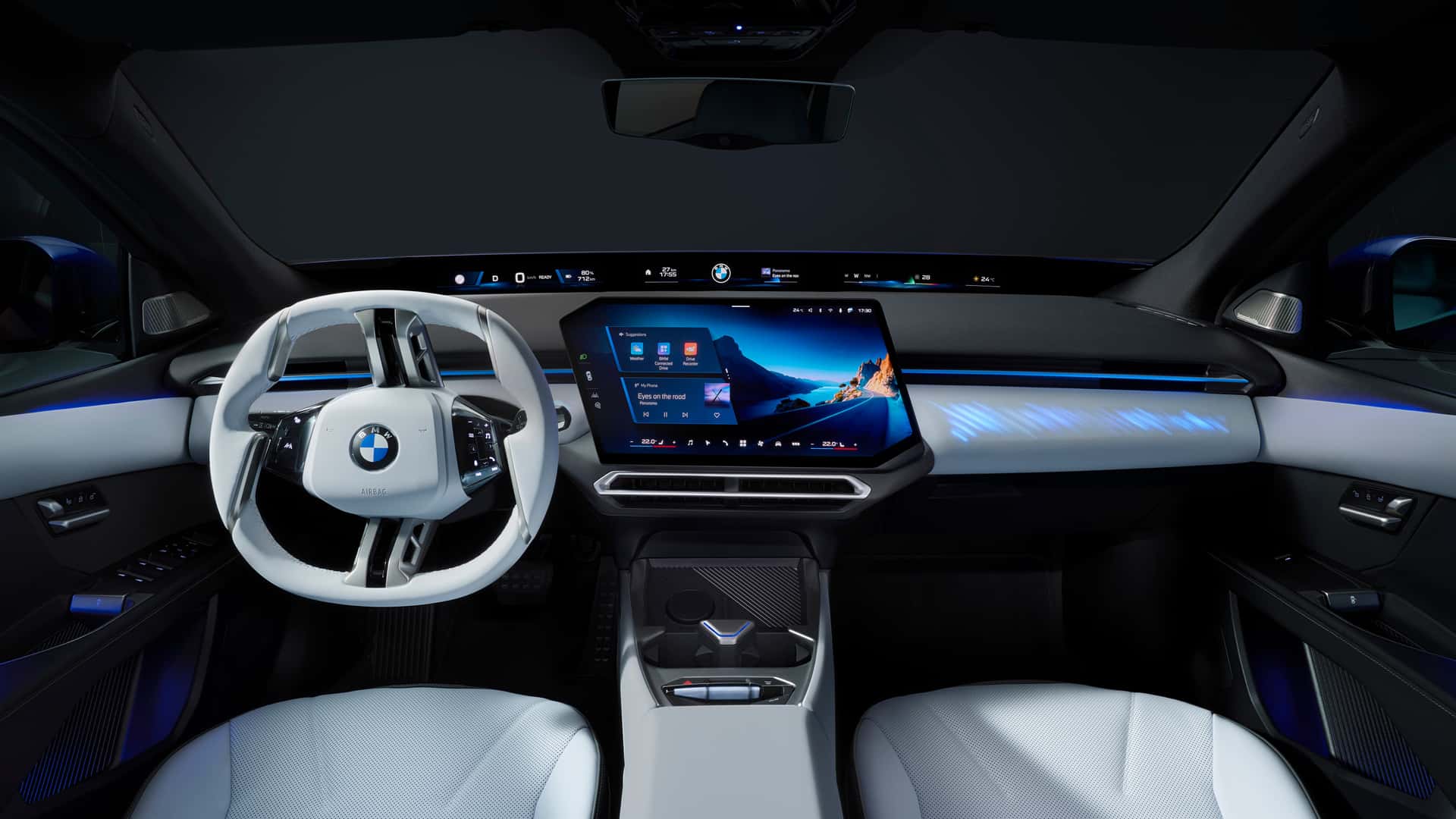
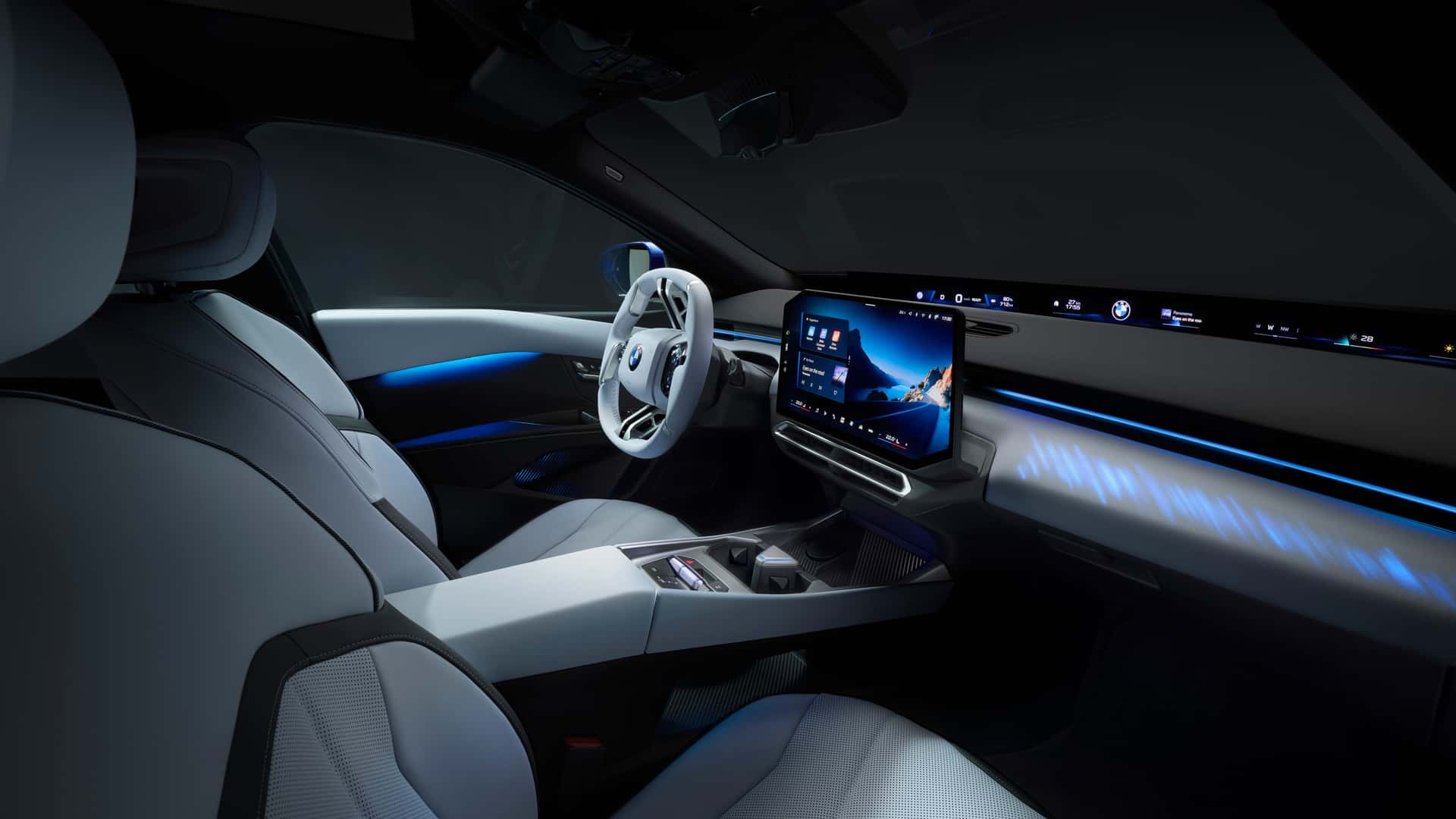
Moving inside, BMW introduces a full-width display called Panoramic iDrive at the base of the windshield. It stretches from pillar to pillar and measures a massive 43.3 inches across. There's also a central 18-inch touchscreen with an unusual six-sided shape – something like a parallelogram with extra corners. It will be interesting to see how apps and interface elements scale to that layout.

BMW has also ditched the rotary iDrive controller and most physical buttons, though the company says its "shy tech" approach illuminates controls only when they're needed.
Another major highlight, beyond the distinctive design, is the battery. BMW says it delivers up to 440 miles of range on a full charge, comfortably beating every Tesla currently on sale including the Model S, which is rated at 410 miles.

Much of that advantage comes from new cylindrical battery cells that are 20% more energy-dense than those used in BMW's previous EVs. These cells are integrated directly into the battery structure without intermediate modules, with the entire pack forming part of the car's floor.
The 800-volt system can theoretically draw up to 400 kilowatts from a DC fast charger, though good luck finding one that powerful in the US right now. It also comes with a built-in NACS port for access to Tesla's Supercharger network.

The launch model is the i3 50 xDrive, which pairs two motors to produce 463 horsepower and standard all-wheel drive. That puts it right alongside the gas-powered M3 – an impressive benchmark for what is essentially the "standard" version.

Production begins in Munich this August, with US deliveries expected in early 2027. Pricing hasn't been confirmed, but estimates place it in the mid-$60,000 range, roughly in line with today's M340i.

Permalink to story:

 
I don't get the emphasis on EV range, so few people drive even a hundred miles per so why the desire for the huge batteries, having to haul the weight around and reserve the space for them.

It is like people want their car to do it all, but the reality it is like buying a multi-tool and only ever using the screw driver. You get something that is sub-optimal ie. pricey, bulky and not working as well as an actual screw driver.

Instead I say buy the car you need 99% of the time and then for the 1% you rent or borrow what is optimal for that other 1%. Not only it is actually cheaper it also means you spend 100% of your driving time in something better for you actual need.

And it is not just an EV thing. It is also regarding car sizes, why buy the big SUV if you only really need something compact. The compact will be cheaper to run, better for the environment, easier to park, more fun to drive. And chances are when you really need to haul stuff a big SUV is not really big enough, so when you need to haul renting a van is the optimum choice.
 
I don't get the emphasis on EV range, so few people drive even a hundred miles per so why the desire for the huge batteries, having to haul the weight around and reserve the space for them.

It is like people want their car to do it all, but the reality it is like buying a multi-tool and only ever using the screw driver. You get something that is sub-optimal ie. pricey, bulky and not working as well as an actual screw driver.

Instead I say buy the car you need 99% of the time and then for the 1% you rent or borrow what is optimal for that other 1%. Not only it is actually cheaper it also means you spend 100% of your driving time in something better for you actual need.

And it is not just an EV thing. It is also regarding car sizes, why buy the big SUV if you only really need something compact. The compact will be cheaper to run, better for the environment, easier to park, more fun to drive. And chances are when you really need to haul stuff a big SUV is not really big enough, so when you need to haul renting a van is the optimum choice.
Because renting the 1% of the time you actually need something is a royal PITA.

And it isnt 1%. Its closer to 10%. Carrying things, towing something, driving outside your zip code, there are all common. A short range means more frequent charging, because you're only supposed to use 80-20% of your capacity anyway, and charging is expensive, and then you lose another 30% in the dead cold of winter. So that 300 mile range SUV (actually 260 on the highway where it matters) is only getting 130-150 in the winter. So now you have to change your plans and take a much longer route to find a charger because your range sucks and theres no charger where you are going.

I dont get why EV enthusiasts cant understand this, its really quite simple. Instead of complaining about why people want range, how about you focus on making cars with a longer range?

I can tell youve never owned an SUV if you think most things need a van. No. SUVs can carry a lot and the bigger ones can all tow trailers without issue for REALLY big things. Not to mention SUVs have way nicer, comfier seats, quieter interiors, and with a population of fat old aging people, a compact car isnt very desirable. Even in Europe the SUV is the biggest segment.
 
"Production begins in Munich this August, with US deliveries expected in early 2027. "

It's more like early 2029 or 2030 if Germany can recover from its industrial fiasco by starting to buy Russian oil again..!
 
Stats show the average distance driven by Americans is 37 miles.
Averages are well, average. Someone who drives ~25-30 miles on most days but does a 200-250 mile trip once a month is will be averaging 30 something miles per day, but certainly will want their EV to be able to do the longer trip with some safety margin. Longer trips are common enough that owning a short ranged EV is a pain, unless it is a 2nd purely commuter car.
 
I don't get the emphasis on EV range, so few people drive even a hundred miles per so why the desire for the huge batteries, having to haul the weight around and reserve the space for them.

It is like people want their car to do it all, but the reality it is like buying a multi-tool and only ever using the screw driver. You get something that is sub-optimal ie. pricey, bulky and not working as well as an actual screw driver.

Instead I say buy the car you need 99% of the time and then for the 1% you rent or borrow what is optimal for that other 1%. Not only it is actually cheaper it also means you spend 100% of your driving time in something better for you actual need.

And it is not just an EV thing. It is also regarding car sizes, why buy the big SUV if you only really need something compact. The compact will be cheaper to run, better for the environment, easier to park, more fun to drive. And chances are when you really need to haul stuff a big SUV is not really big enough, so when you need to haul renting a van is the optimum choice.
No, you don't rent or borrow for the 1% because it's crazy expensive. I rented a minivan 2 years ago for a single day and it cost me 500 €. Thanks but no thanks. I need a car that can do everything for me, not just "most" things.
 
Not really a car so much as a pay-as-you-go smartphone on wheels.
With decisions like this, I'm dying to know how weird the annual BMW executive retreat gets.
What exactly is pay to go on this car?

FYI Zipse is one of the most cherished CEOs BMW ever had. He's so good he's already on an extension, because company policy would've required him to retire 1 or 2 years ago already.
 
What exactly is pay to go on this car?

FYI Zipse is one of the most cherished CEOs BMW ever had. He's so good he's already on an extension, because company policy would've required him to retire 1 or 2 years ago already.

I'm a rabid iconoclast, so convincing me to praise anything walking on two legs that breathes for profit is a hard ask. Secondly, it's called BMW ConnectedDrive and you could have Googled that part yourself.
 
Great car, like it. I will wait for the facelift. It should have real door handles. I dont like the retractables that will malfunction at some point in time and pose a security risk - especially in winter.
There were cases like that in China. People burned alive inside.
 
I don't get the emphasis on EV range, so few people drive even a hundred miles per so why the desire for the huge batteries, having to haul the weight around and reserve the space for them.

It is like people want their car to do it all, but the reality it is like buying a multi-tool and only ever using the screw driver. You get something that is sub-optimal ie. pricey, bulky and not working as well as an actual screw driver.

Instead I say buy the car you need 99% of the time and then for the 1% you rent or borrow what is optimal for that other 1%. Not only it is actually cheaper it also means you spend 100% of your driving time in something better for you actual need.

And it is not just an EV thing. It is also regarding car sizes, why buy the big SUV if you only really need something compact. The compact will be cheaper to run, better for the environment, easier to park, more fun to drive. And chances are when you really need to haul stuff a big SUV is not really big enough, so when you need to haul renting a van is the optimum choice.
In a country where so many people prefer SUVs and trucks, buying a compact car puts you in a big disadvantage, where disadvantage is your physical safety or in some cases life.
 
The 2027 i3 still has a 'beaver' grille. It's just been flattened. It still has the twin panels separated with a thin vertical pillar.

Some BMW grilles were pretty nice. I'm not sure the new i3 is an improvement.
 
Instead I say buy the car you need 99% of the time and then for the 1% you rent or borrow what is optimal for that other 1%. Not only it is actually cheaper it also means you spend 100% of your driving time in something better for you actual need.

I tend to agree. We have two older Subaru sedans and a small utility trailer. Most of the time a sedan is perfect, and I wouldn't want anything larger. The trailer is superior to a truck or SUV when hauling stuff. The bed is 5x9 feet, and I have hauled pianos, sheets of plywood, small trees, and 1500lbs of garden soil. It's low to the ground therefore easier to load than a truck. Unlike a truck, you can unhook the trailer and leave it loaded if you don't want to unload right away. The only drawback of a trailer is that it takes some space to store. If we need to haul several people, we just take both cars.

I agree that SUVs and vans are better for people with dogs or young kids.
 
What in the holy christ is that steering wheel? Are these people for real?

Seems like an AI halucination.
 
Except the current G20, which is considered by several car reviewers to be the best sedan you can buy. And the 330e is also considered the best all-around PHEV you can buy.

I have a 2023 m340i xdrive. It really is the best daily car ever. Very comfortable and the B58 engine is legendary. It's smooth with plenty of power at low rpm. Sadly, I am trading it in this weekend for a 2026 M3. I want to get the last pure gas ICE M3, as I believe the even Nueue Klasse gas M3 will have a mild electric mated to it.
 
Back