Cities roll out noise cameras to crack down on loud streets

Skye Jacobs

Posts: 2,002   +58
Staff
Forward-looking: In Newport, Rhode Island, efforts to combat urban noise have evolved from patrols and complaints to sophisticated technology. Mobile trailers equipped with arrays of 64 microphones and license plate readers now monitor the city's busiest streets, continuously detecting vehicles that exceed the legal noise limit of 83 decibels in most areas. Introduced in 2024, the system marks a shift to continuous, automated enforcement aimed at tackling a long-standing problem made worse by rising summer tourism.
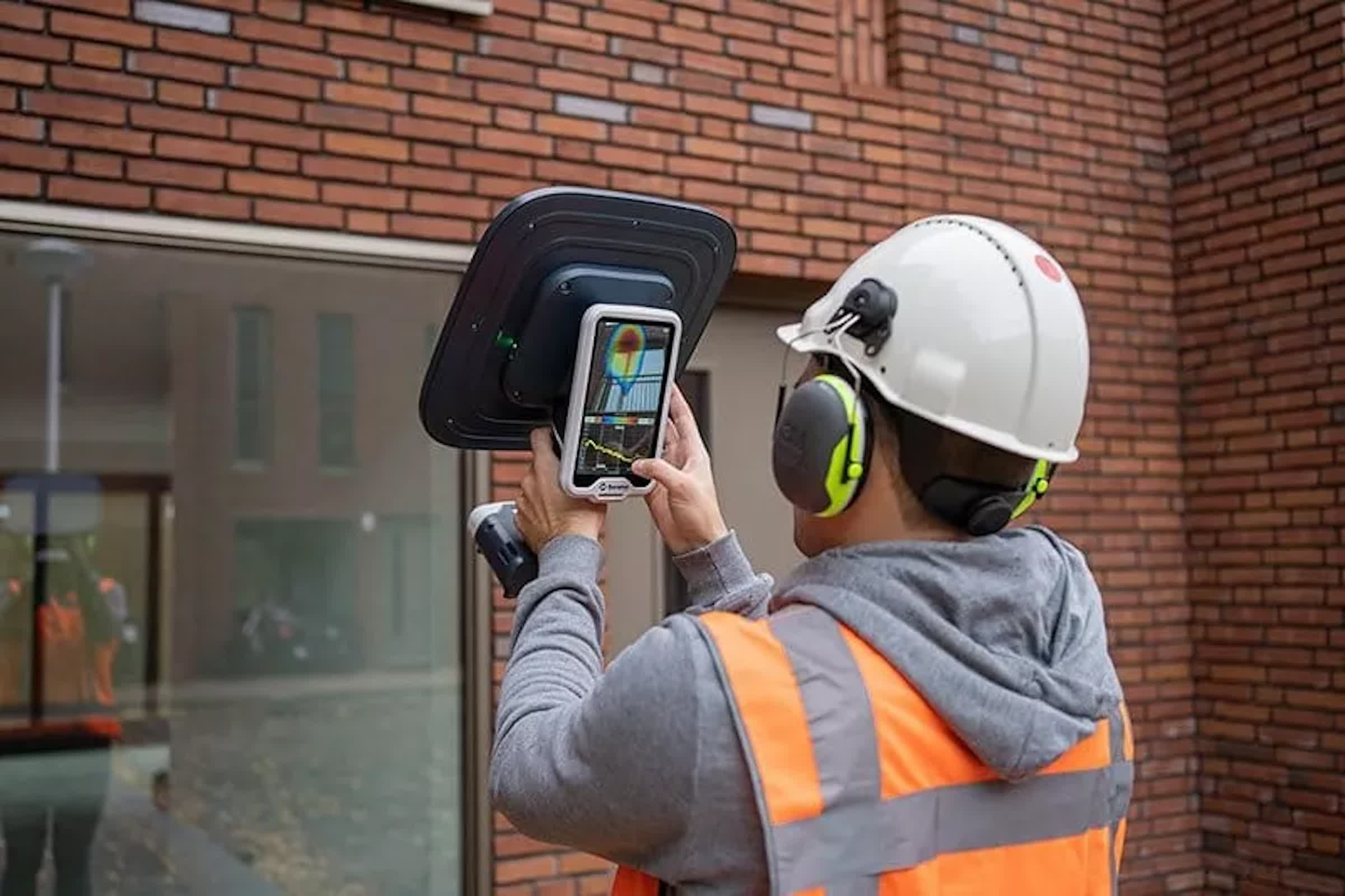
Noise-detection cameras, first developed and deployed in European cities, are a recent arrival in the US. These systems are designed not only to measure noise levels but also to pinpoint their source.

Advanced microphone arrays can identify the specific vehicle responsible for excessive noise, even on busy streets. Integrated license plate readers capture each violation with photographic and video evidence. Vendors such as Sorama, the Dutch company behind Newport's devices, say their technology minimizes false positives by triangulating the sound's origin and filtering out ambient noise.

Data from cities using these systems highlight both the scale and changing nature of urban noise. In New York City, 10 SoundVue cameras have issued more than 2,500 tickets since their 2021 launch. Fines range from $800 for a first violation to $2,500 for repeat offenses, generating roughly $550,000 in payments so far.

Across the country, municipal records show a steady rise in noise complaints. In Newport, complaint numbers have spiked alongside the summer tourist influx. Early results from the city's pilot program showed dozens of citations within just a few months, prompting plans to expand coverage to other high-traffic areas.
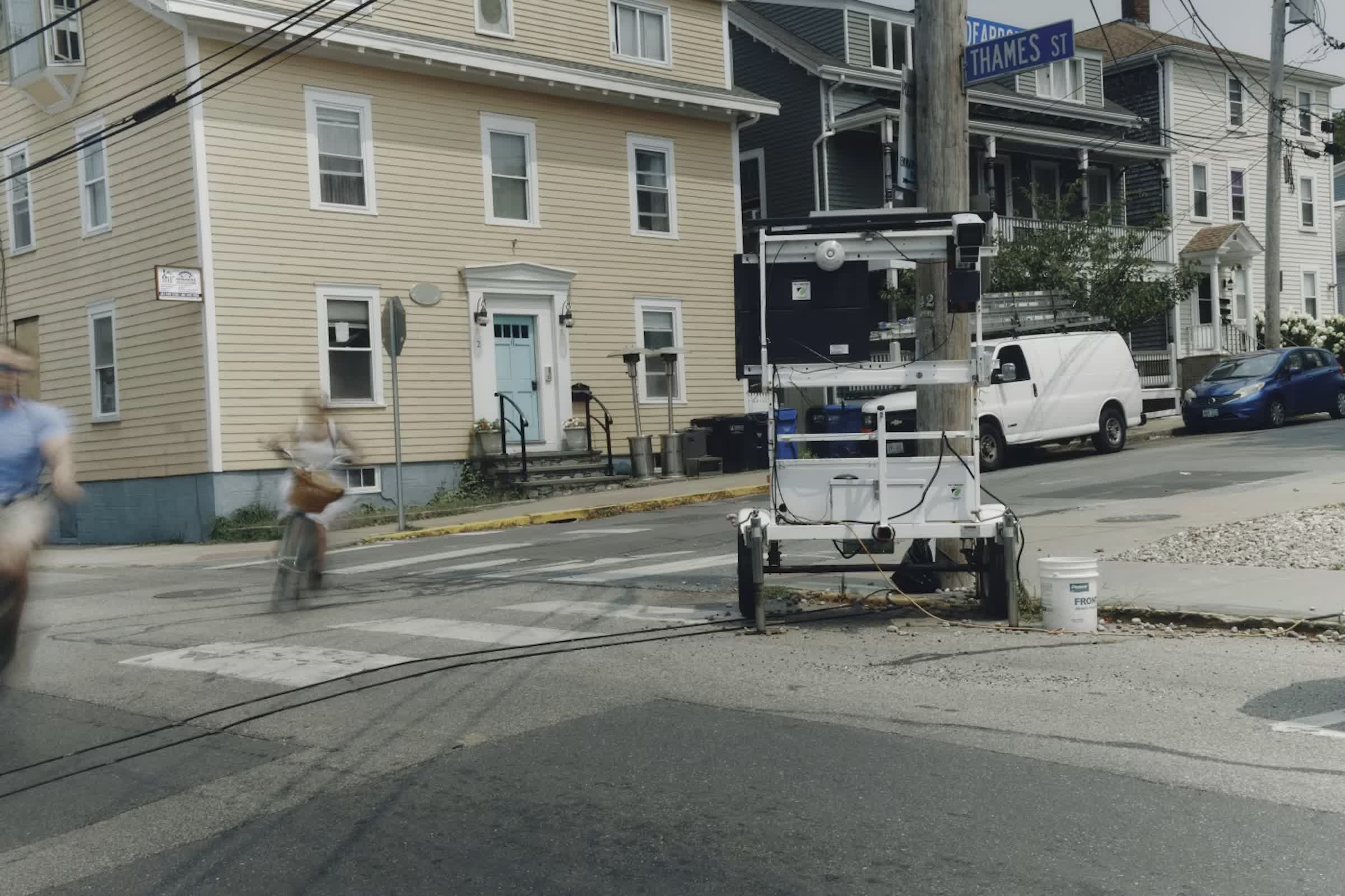
Municipal officials highlight the technology's precision and efficiency. Police Chief Ryan Duffy noted that handheld meters proved ineffective against mobile offenders, whereas the automated system now allows officers to review recorded evidence before issuing citations. Citation rates have risen, and Newport has begun rotating the noise-detection trailers through neighborhoods with high complaint volumes, using both public input and statistical trends to guide placement.

Health experts point to mounting evidence on the harmful effects of chronic noise exposure, from sleep disruption to cardiovascular risks. Urban planners have documented correlations between noise monitoring and drops in violation rates. In some cities, preliminary data show measurable reductions in complaints after the cameras were deployed, though long-term results remain under study.

Public opinion is split. Many residents welcome quieter streets and more consistent enforcement, while some owners of high-performance vehicles question the fairness of ticketing cars that exceed decibel limits when operating as designed. Concerns about privacy and surveillance persist, prompting cities to clarify data retention and evidence review policies. Newport, for example, deletes non-violation records and only issues citations backed by clear, contextual recordings.

Legal challenges are underway across the country, as courts weigh whether ordinances and enforcement technology sufficiently account for differences in vehicle type and driving conditions. Privacy advocates and industry groups continue to push for transparency in data use, calibration standards, and public notification.

Looking ahead, municipal leaders see noise cameras as both a necessary tool and a civic innovation, aimed at creating quieter, healthier urban environments. Their success will depend on sustained public oversight, accurate calibration, transparent governance, and adaptability as both the technology and urban soundscapes evolve.

Image credit: The Wall Street Journal

Permalink to story:

 
I have to wonder whether this will do anything to resolve the issue of overly-noisy sh!tboxes. IMO, its about time this has become available. It probably won't be in my city anytime soon, if ever.
 
Well now to drive to Rhode Island, rev up so my glass packs make plenty of noise then ignore their tickets because Texas won't care
 
The government tracking every cars' movement... to occasionally stop hearing moderately loud cars?

I miss the days when they promised much bigger things to take our rights away.
 
:oud exhausts are just for drivers with tiny d1cks and who don't care about about annoying everyone else in a mile radius. Personally I think the vehicles should just be crushed to save everyone else having to listen to these *****s. This should apply to both cars and motorbikes.
 
As a data scientist, this makes sense to me. As a citizen, I am always wary of and opposed to any kind of automated law enforcement. They more often than not amplify existing systemic issues, rather than solve them.

Why not make noise limits part of an annual inspection as part of vehicle renewal, similar to emissions or safety tests or put the tax on manufacturers/dealers selling cars that exceed the limits? Sure, that won't catch out of state vehicles, and I'm not saying that those solutions are necessarily good for some of the same reasons the camera/microphones aren't good, but either of those still seem better than automated cameras/microphones which can be error prone, create privacy issues, and fine people for a car that is operating to spec. The government is going after the wrong group of people here, IMO, and even if it is the right group, the method leaves much to be desired.
 
As a data scientist, this makes sense to me. As a citizen, I am always wary of and opposed to any kind of automated law enforcement. They more often than not amplify existing systemic issues, rather than solve them.

Why not make noise limits part of an annual inspection as part of vehicle renewal, similar to emissions or safety tests or put the tax on manufacturers/dealers selling cars that exceed the limits? Sure, that won't catch out of state vehicles, and I'm not saying that those solutions are necessarily good for some of the same reasons the camera/microphones aren't good, but either of those still seem better than automated cameras/microphones which can be error prone, create privacy issues, and fine people for a car that is operating to spec. The government is going after the wrong group of people here, IMO, and even if it is the right group, the method leaves much to be desired.

Well, back in the 60's/70's, we would use "cut off valves" so the muffler would be active, but when friends were out in the middle of nowhere racing, you open the cut off and the exhaust comes right from
the headers.
 
There really should be noise pollution regulations on cars and motor cycles. For certain hours of the day at least. We actually don't have car inspection in Florida anymore. Mostly due to how advanced emissions systems are.
 
Last edited:
:oud exhausts are just for drivers with tiny d1cks and who don't care about about annoying everyone else in a mile radius. Personally I think the vehicles should just be crushed to save everyone else having to listen to these *****s. This should apply to both cars and motorbikes.
The majority should decide
 
Why not make noise limits part of an annual inspection as part of vehicle renewal
The problem is that some bike riders just swap from a loud race exhaust to an ordinary quieter exhaust for the road test. Then they swap back again immediately afterwards. Manufacturers can also get their exhausts to open up at a certain rev level, above the revs that vehicles are tested.

The only way to stop these people is to use equipment like that in the article. If a vehicle gets caught then the driver could be told to bring it in for testing in 7 days else the fine is applied. If it fails in the testing centre then the fine applies and the exhaust gets crushed. If the same owner keeps on getting caught then the fine goes up and the time period for bringing the vehicle in gets shorter.
 
When it stops all the younger people from listening to distorted bass from their boom box's in their cars then it will have accomplished something.When I go to bed a lot of time I hear this boom boom coming from car stereos right through my pillow and I sleep in the basement
 
When it stops all the younger people from listening to distorted bass from their boom box's in their cars then it will have accomplished something.When I go to bed a lot of time I hear this boom boom coming from car stereos right through my pillow and I sleep in the basement
The mobile test should apply to everything. It can't happen too soon. The funny thing is it's only a few people that can make life a misery for 1000's. I live in quite a quiet area but I hate noise of any kind (or litter or bad behaviour). I suspect I wouldn't last in an inner city environment,
 
Back