
Facepalm: Could China's insistence on companies using domestic AI chips rather than those from Nvidia come at a high price? According to a new report, Beijing pushed DeepSeek into dropping Nvidia's hardware in favor of Huawei's for its R2 model, but constant technical issues during training delayed the release and forced a switch back to Team Green for training, while Huawei's chips were used for inference.
DeepSeek's R1 model shook the AI industry when it arrived in January over claims it was trained on 2,048 Nvidia H800s and at a cost of $5.576 million, a fraction of the billions that other AI firms spend. But it was later revealed that DeepSeek had access to around 50,000 Hopper GPUs, including 10,000 H800s and 10,000 H100s, and 30,000 HGX H20 units.
For the R2 successor model, Chinese authorities "encouraged" DeepSeek to move away from Nvidia tech and use domestic hardware instead, according to The Financial Times, which cites three people familiar with the matter.
DeepSeek followed this suggestion – or demand – and switched to Huawei's Ascend-based platforms for training R2. Unfortunately, this led to issues such as unstable performance, slower interconnect speeds, and limitations with Huawei's CANN software toolkit.
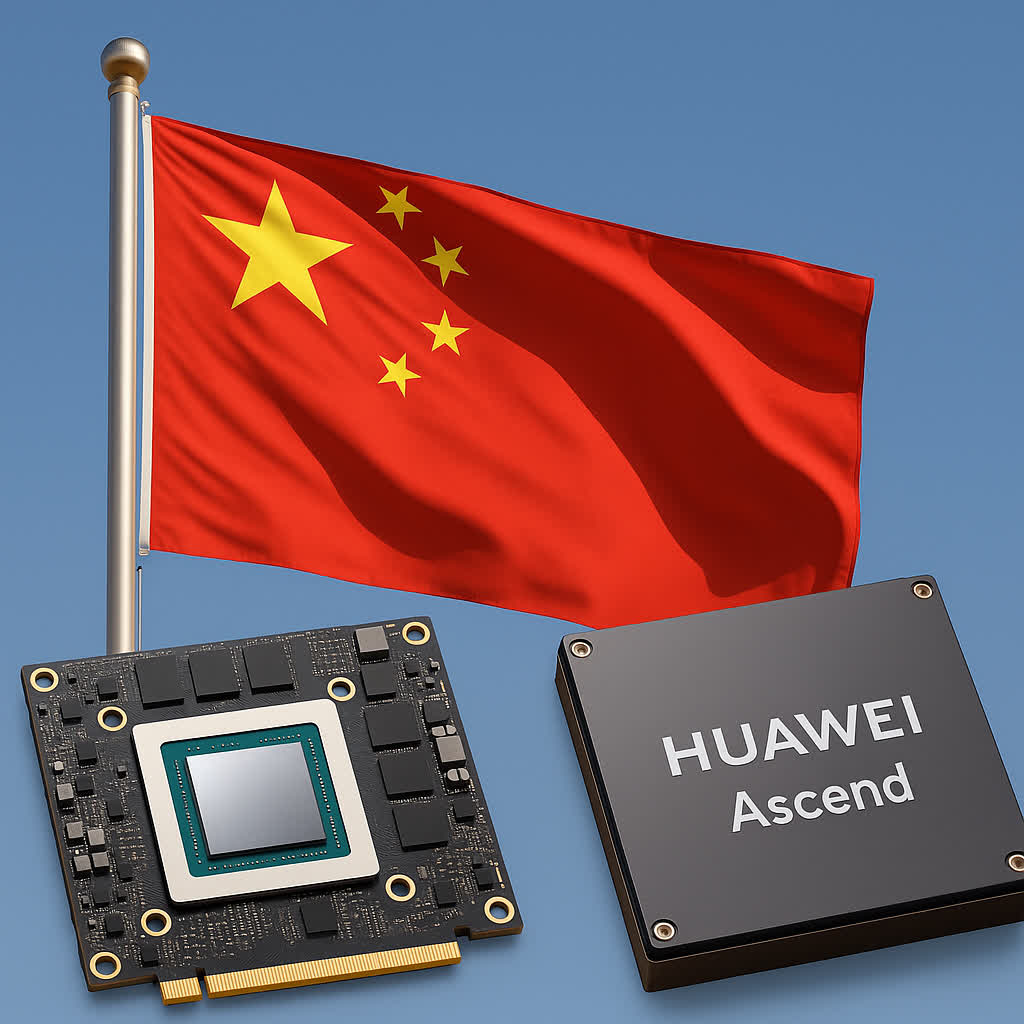
Huawei sent a team of engineers to DeepSeek's data centers in the hope of addressing the issues. But despite their presence, a training run on the Ascend platform has never been successfully performed, though work on making R2 compatible with Ascend for inference continues.
R2 was supposed to launch in May, but the failed Huawei switch delayed its release – the model is now expected to arrive in a few weeks.
Adding to the delays is the shortage of high-end Nvidia GPUs in China. Earlier this month, the US government struck a deal with Nvidia and AMD under which the tech giants give Washington 15% of sales from AI chips, including the H20, sold in China. In exchange, the companies will be granted licenses needed to sell to Chinese customers.
However, Chinese state media previously reported that the H20 GPUs were unsafe, outdated, and bad for the environment. Nvidia was summoned to a meeting by Chinese regulators to discuss national security concerns related to the chip, which led to the company assuring users that there are no backdoors, kill switches, or spyware in its products.
Beijing's attempt to push DeepSeek away from Nvidia comes as little surprise. Reports this week claim that Chinese authorities have been pushing several big firms to avoid using the H20. They also want companies to justify their orders of these chips and explain why they are preferable over domestic alternatives.
DeepSeek R2 model delayed after Nvidia hardware was replaced with Huawei chips


