Dell and HP turned off HEVC decoding on recent laptops without telling anyone

Daniel Sims

Posts: 2,415   +73
Staff
Facepalm: Users experiencing issues with certain videos not playing on Dell or HP laptops running recent CPUs might not realize that both companies have recently disabled H.265 video encoding and decoding. The decision, likely aimed at reducing licensing costs, could complicate video streaming, editing, and other related tasks.
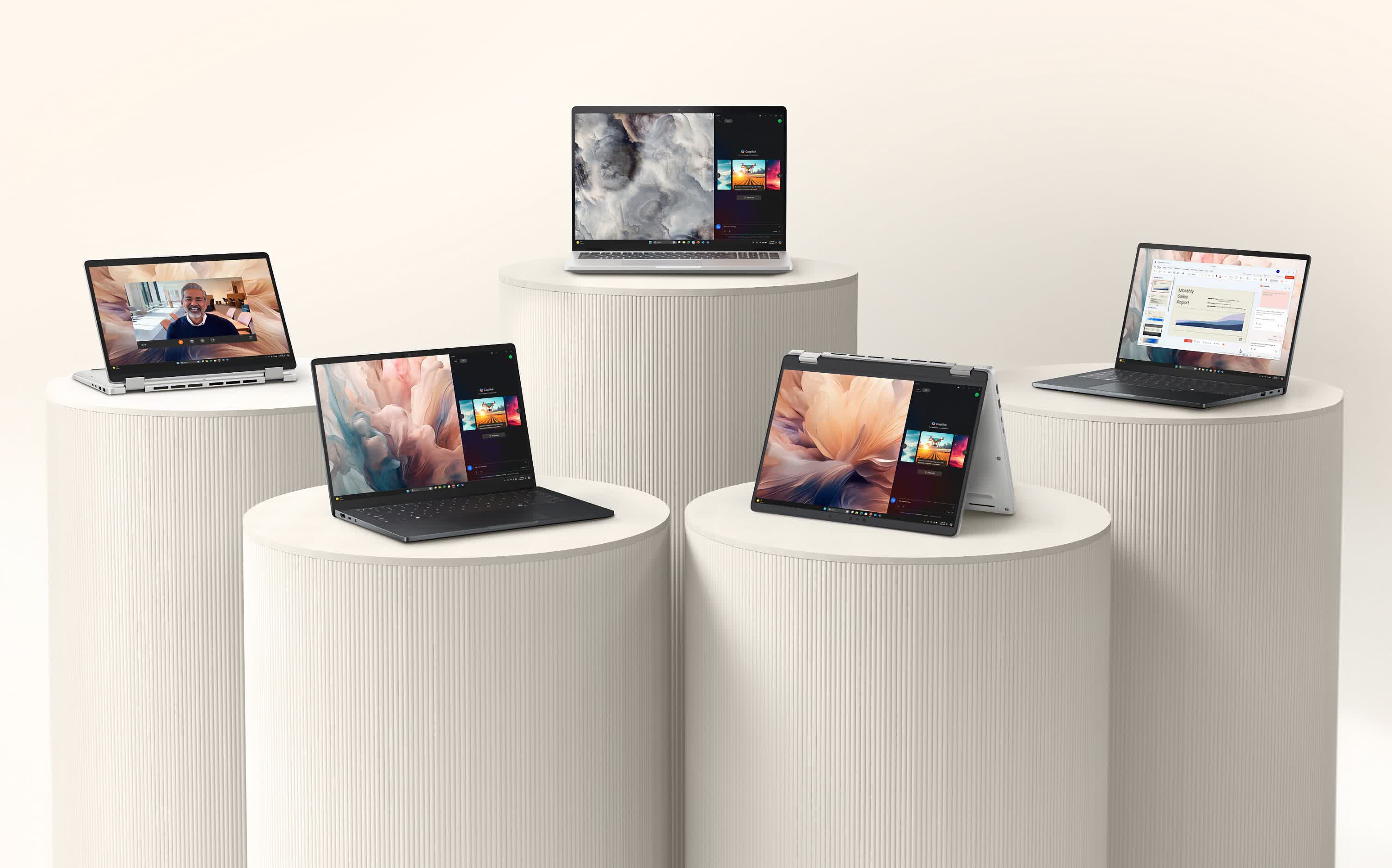
Users on various forums have been troubleshooting video playback errors on newer Dell and HP laptops over the past few weeks. While the specific issues vary, recent software decisions by both OEMs appear to be the root cause in all cases.

Complaints have come from users of models including the Dell Pro 16 Plus, Dell Pro 14, Latitude 7350, HP ProBook 460 G11, ProBook 465 G11, EliteBook 665 G11, and other similar business laptops. The affected devices generally feature Intel Core Ultra 100V and 200V CPUs.
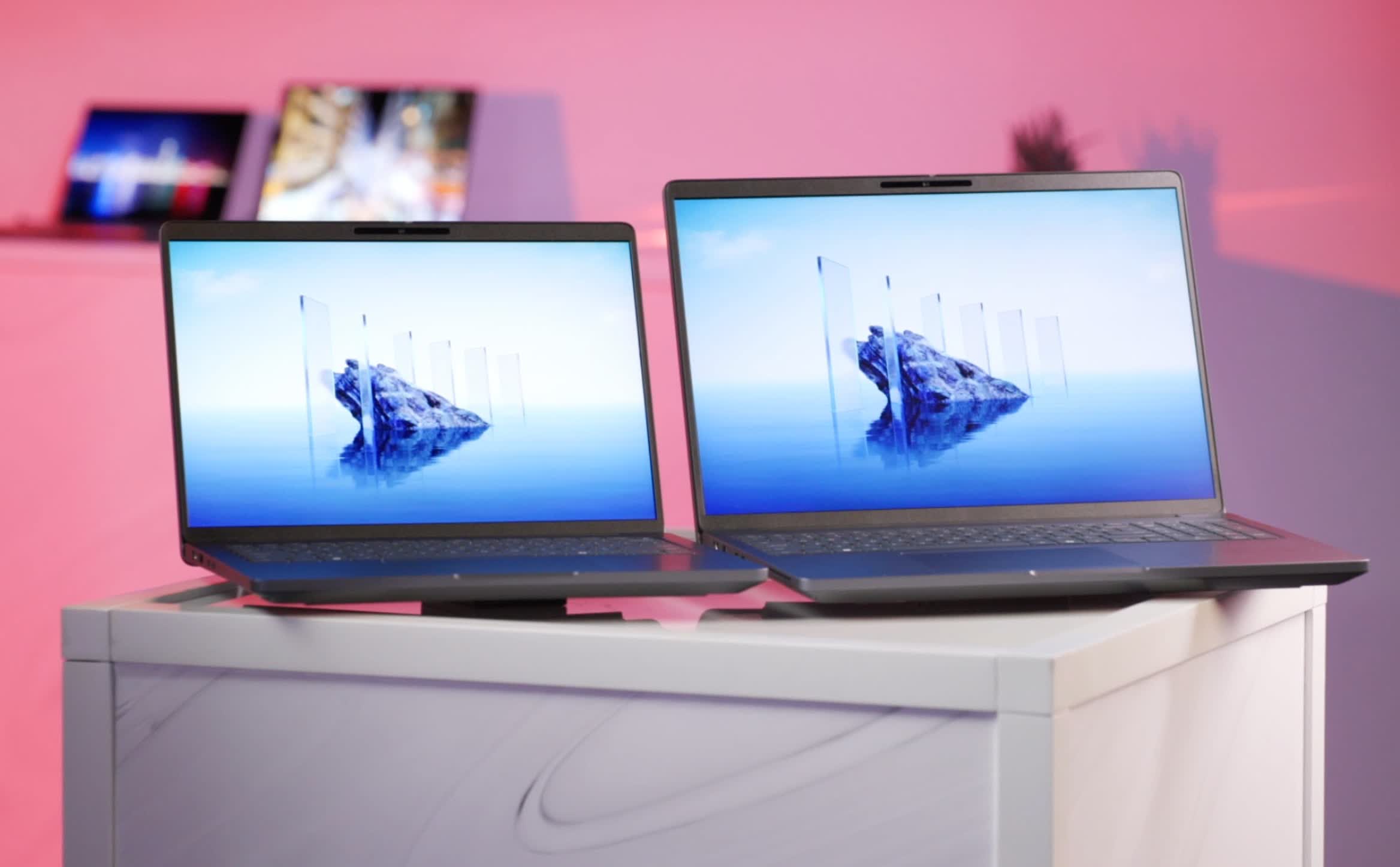
For some , video playback works only in certain web browsers or in VLC Media Player, while others reported disrupted functionality across all applications. The HEVC test site, which streams a variety of content in the format, can help users determine whether their system is impacted.

Many users spent weeks troubleshooting the issue because Dell and HP disabled HEVC support on the affected integrated graphics chips without any public announcement. Instead, notices about the updates were buried in laptop spec sheets and support pages.

When reached for comment, both companies confirmed the change in statements to Ars Technica but did not provide a reason. HP said it disabled the HEVC codec hardware on the 600 Series G11, 400 Series G11, 200 Series G9, and other devices. Dell stated that the functionality is now included only on products with integrated 4K displays, discrete GPUs, Dolby Vision support, or CyberLink Blu-ray players.
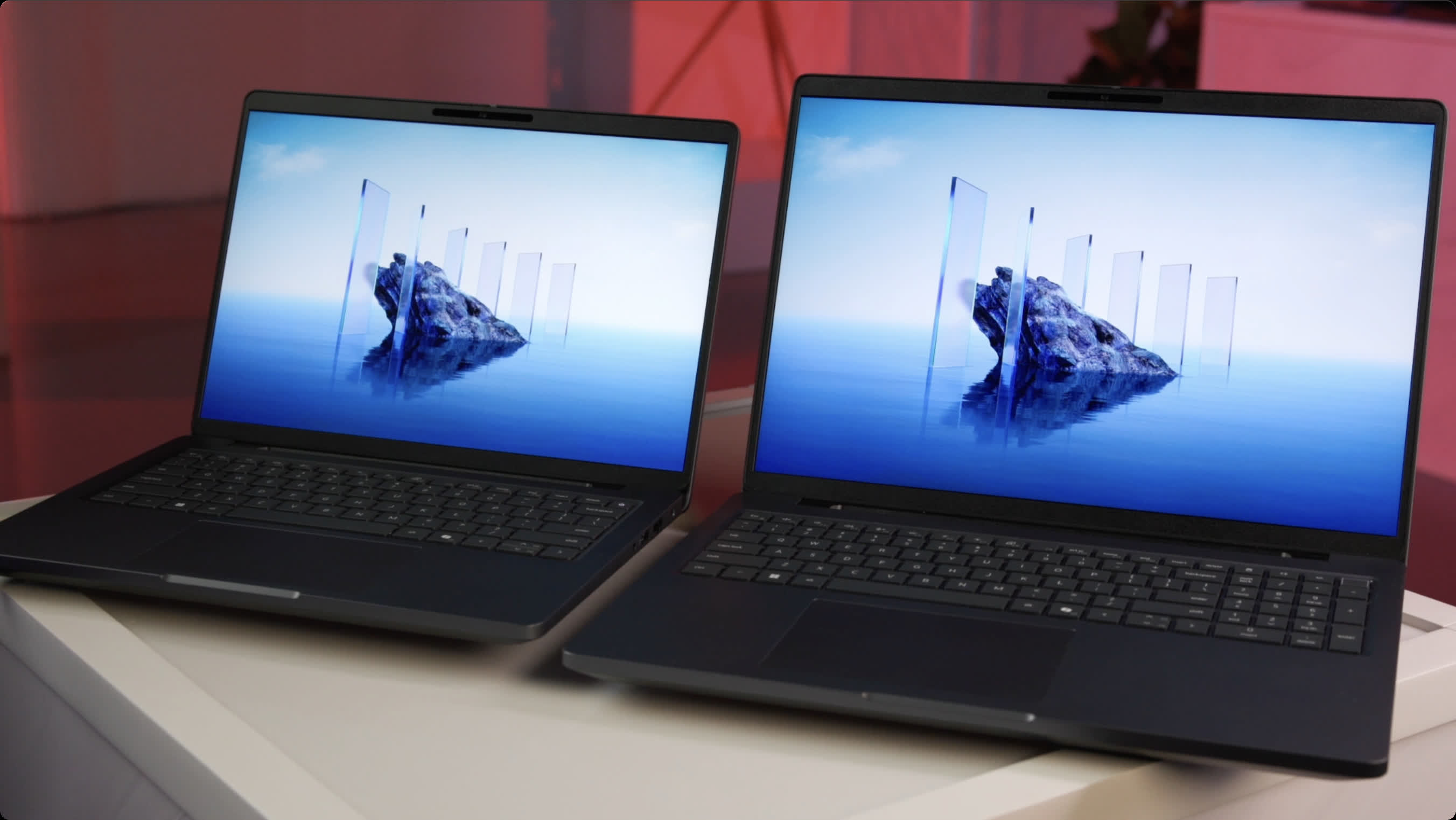
HEVC, also known as H.265, is the successor to H.264 and handles video compression, enabling devices to play and encode high-quality video formats such as 4K, 8K, and HDR. Because using HEVC requires a licensing fee that some companies opted not to pay, certain devices may require users to purchase the HEVC Video Extensions codec from the Microsoft Store for $0.99. However, some users with affected Dell and HP laptops reported that this did not resolve the issue.

Licensing costs are set to increase in January, which likely prompted Dell and HP to disable HEVC support on select devices. The decision risks frustrating users who spent hundreds of dollars on PCs that previously included this functionality – particularly if they only learn about the change after a lengthy troubleshooting process or through media reports.

Permalink to story:

 
"Many users spent weeks troubleshooting the issue"

Weeks?!? This seems like a case where a quick search of the symptom would yield a quick explanation and a quick solution in the form of a free download.

It's not great that anyone was left having to figure this out for themselves, but I'm happy to see a revenue source turned off for a proprietary codec.
 
That is complete nonsense. AV1 is far more efficient than h.265 with much better quality.
That is complete nonsense. AV1 is far less efficient than h.265 and doesnt match it in quality. You're thinking h.264, which AV1 IS superior to. H.265 is hard to find in use in the wild due to terrible licensing issues.
Has to be software. Don't include the codec and save the licensing fee.
Ah, so those NOT using the OOB windows install full of crapware would be unaffected by this.

No wonder I haven't heard about it yet.
 
If it's not a perpetual license, it's a "cancer".

Intel, AMD, and Nvidia should update their drivers to disable HEVC encoding and decoding. Only AV1 and AV2—which are open formats—should be supported, if they don’t steer the market now all users will suffer after 2030.
 
AV1 doesnt hold a candle to H.265 in quality or speed.
Thats a total bs. For the same quality av1 has 30% smaller file size, and it is sorted by all modern apu. I have a minipc with amd 255h and I can transcode 5 4k streams without much of the issues. Sure, older systems will encode faster to h265, but the difference would matter only for enormous amount of streams, and in that case a lower size will bring much more benefits.


"AV1 delivers unmatched compression efficiency and long-term bandwidth savings, but at the cost of higher computational demand and slower encoding. H.265 offers a strong balance between quality, efficiency, and real-time performance, making it a practical choice for most current streaming workflows. For future scalability, AV1 is worth adopting gradually while maintaining H.265 for established infrastructure and broad device compatibility."
 
My understanding is that current computers aren't being downgraded. If they used to support HEVC, they will continue to. New computers will have the onboard HEVC support disabled so that OEMs can save a few bucks per PC in licensing fees.

Makes sense really. A lot of these computers are doomed as office PCs and shouldn't really require HEVC, and if it does the CPU can deal with it.

It's a cost savings for OEMs. Don't like it, don't buy it.
 
My understanding is that current computers aren't being downgraded. If they used to support HEVC, they will continue to. New computers will have the onboard HEVC support disabled so that OEMs can save a few bucks per PC in licensing fees.

Makes sense really. A lot of these computers are doomed as office PCs and shouldn't really require HEVC, and if it does the CPU can deal with it.

It's a cost savings for OEMs. Don't like it, don't buy it.

Our company IT would disable HEVC on work systems.
 
For the people arguing over the best codec...
I've encoded over 10TB of video this year (output) and here's what I've learned. No one here is wrong, they're all good:

x264/AVC is the best looking codec but least efficient. This will hold noise and grain as faithfully as possible in any compressed codec.

x265/HEVC holds noise and grain a bit worse but has the best current balance of fidelity and efficiency for most modern use cases *where noise is involved*, especially noise you want, like grain.

AV1 can achieve the best efficiency for clean sources, but doesn't handle noise well (unless you use grain synthesis) and has steep hardware requirements.

There is no one codec to rule them all, not yet anyways, so the "best" will depend entirely on your content and the device you encode for.

Edited to add: By restricting yourself to a single codec, you lose the ability to leverage the strengths of each as needed.
 
Last edited:
I'm pretty sure my AppleTV streaming boxes don't decode AV1 reliably (they may attempt it in software, I forget). And if they can't do it right, I'm sure there's a lot of other TVs and set top devices that can't either. Anyway, that's why I don't encode in AV1 yet. Looking forward to a future where I can (or AV2, or whatever's next.)
 
First ALWAYS ALWAYS ALWAYS do a clean install of windows on new computers and laptops. Dell, HP, Lenovo.... have all kinds of crap. Microsoft's crap is bad enough.

Just use VLC to play videos.


granted, vlc plays everything really good, but the player and gui are horrible, im embarrassed by how user unfriendly it is
 
My understanding is that current computers aren't being downgraded. If they used to support HEVC, they will continue to. New computers will have the onboard HEVC support disabled so that OEMs can save a few bucks per PC in licensing fees.

Makes sense really. A lot of these computers are doomed as office PCs and shouldn't really require HEVC, and if it does the CPU can deal with it.

It's a cost savings for OEMs. Don't like it, don't buy it.
If they are including this information in marketing material or on the purchase site before you buy it, then I am fine with it, business as usual. Otherwise it is another consumer-hostile act in a long line of such actions and I hope that someone sues the companies for as much as they can get.
 
If Microsoft can sell it to me for all my computers for $1, how much could it possibly cost OEMs?

I'm sure it will adversely affect bonuses to corporate c-suite swine.

Plus, with the coming price increase in January, there is no guarantee Microsoft will be still be selling it for a dollar then....
 
Business users often have kicked down systems that do not afford latitude in software choices (no pun intended).
First ALWAYS ALWAYS ALWAYS do a clean install of windows on new computers and laptops. Dell, HP, Lenovo.... have all kinds of crap. Microsoft's crap is bad enough.

Just use VLC to play videos.
 
They could disable the "AI enabled" part of current laptops and I doubt anyone would ever notice.
 
Back