
Ripple effect: As rising memory costs push up the prices of everything from PCs and smartphones to game consoles, one key hardware supplier after another has announced that it can no longer delay price hikes. This time it's Qualcomm, with a fast-approaching adjustment that could make smartphones, tablets, wearables, and some laptops even less affordable.
Qualcomm issued a letter to its clients on Friday warning that its chips will soon become more expensive due to rising supply costs. The company develops chips that power most Android devices, numerous wearables, automotive systems, and a rising crop of Arm-based laptops, so the impact is expected to be widespread.
Bloomberg, which obtained the letter, reports that price hikes will rise by an unspecified double-digit percentage, and will apply to components shipped after September 1. Qualcomm has been unable to escape the skyrocketing supply costs that have impacted Microsoft, Apple, Sony, and numerous other manufacturers.
Memory and storage are the biggest culprits, having quintupled in price since late last year as AI data center construction absorbs most of the available production capacity of DRAM and NAND manufacturers. RAM prices could rise by another 40% to 50% in the third quarter of this year, then an additional 30% to 40% in Q4. The ripple effect has also pushed up the prices of CPUs, printed circuit boards, and other components. Qualcomm at least partially blames its upcoming price hike on the need to find alternative suppliers.
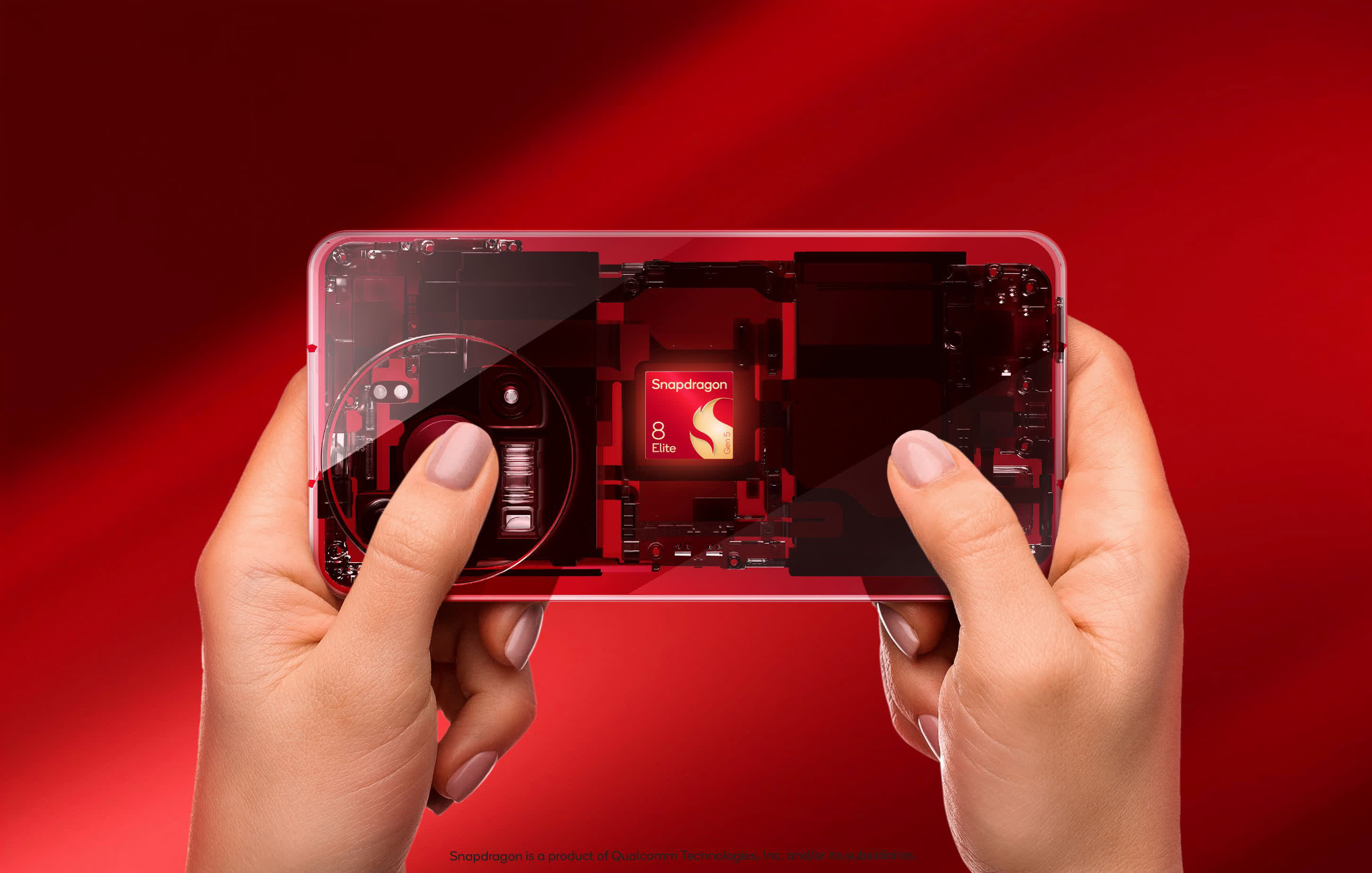
Samsung phones, which are powered by Qualcomm's Snapdragon processors, might be the most popular affected products. However, wearable devices like smart glasses and VR headsets also use chips from the same family. Additionally, Microsoft and various PC manufacturers are attempting to promote an alternative Arm-based version of Windows via new lineups of more powerful Snapdragon SoCs.
Qualcomm's adjustment might also affect Google's plans to launch a lineup of Snapdragon-based laptops using a new Android-based operating system later this year.
Qualcomm's products even extend to the AI data centers responsible for the component shortages. The company recently unveiled ambitious plans to compete with Nvidia in the server CPU market.
The situation is expected to worsen next year due to further price hikes from the manufacturer that Qualcomm, Apple, Nvidia, Google, Amazon, Arm, and MediaTek all rely heavily upon: TSMC. Recent reports indicate that the chipmaker will raise prices for most of its semiconductor nodes at least once next year by around 10%, creating a much broader ripple effect.
Qualcomm's chip price hikes could make phones, wearables, and laptops even pricier


