The big picture: The global helium market remains on edge as QatarEnergy's massive Ras Laffan facility – responsible for nearly a third of the world's supply – remains offline more than a week after Iranian drone strikes halted operations. The prolonged outage has highlighted vulnerabilities in the semiconductor supply chain, drawing renewed attention to the essential yet fragile nature of the helium trade.
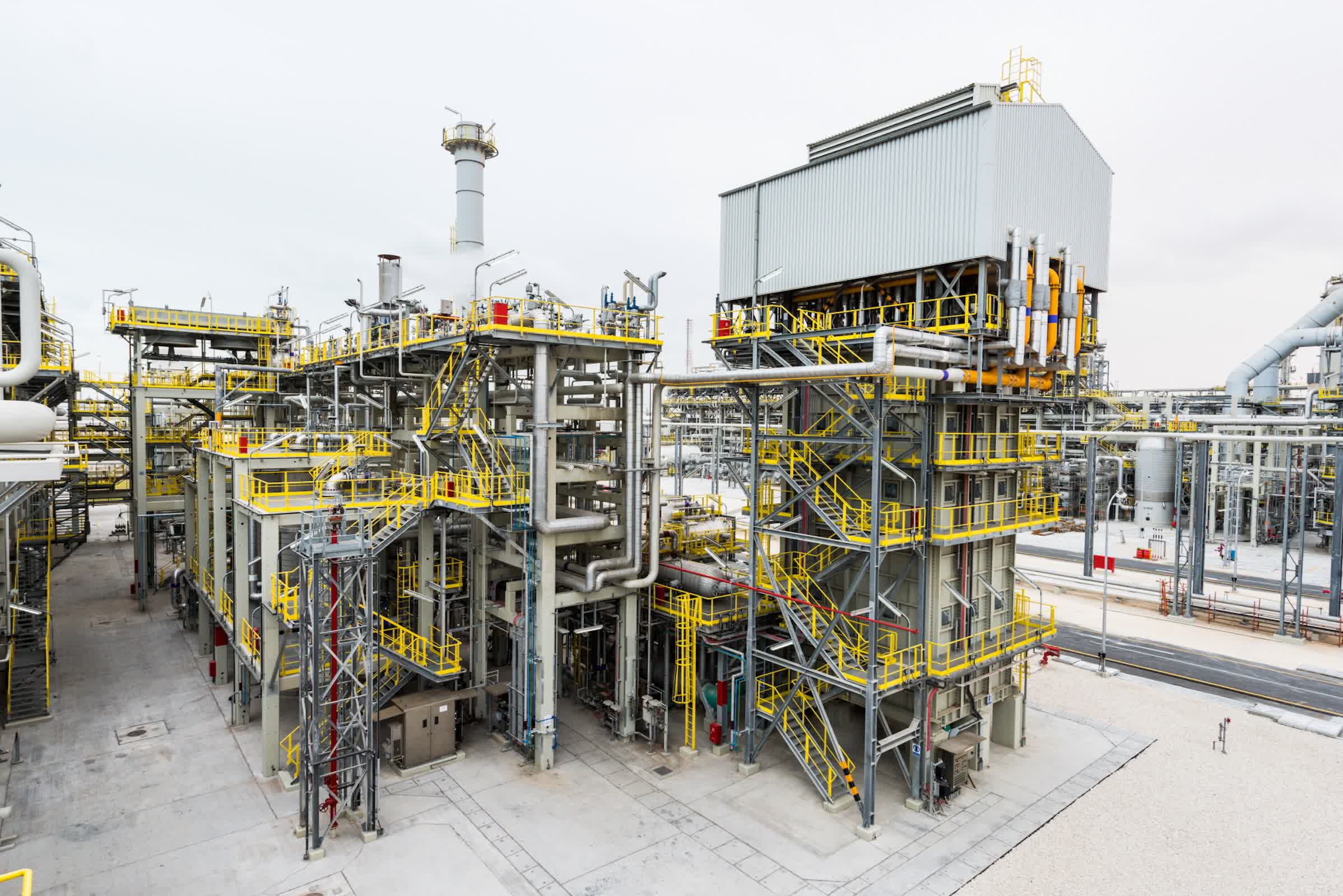
At the center of the issue is the precision gas vital to chip manufacturing and cryogenics. Helium cools silicon wafers during fabrication, maintaining the extremely low temperatures required for etching and lithography. Unlike other industrial gases, there is no effective substitute, and experts warn that even short disruptions can ripple across global technology production.
Ras Laffan went dark on March 2 following drone attacks linked to Iran's escalating regional conflict. Two days later, QatarEnergy declared force majeure, relieving itself of delivery obligations. The impact was immediate: a sudden 30% cut to global helium supply, hitting buyers that rely heavily on Qatari exports.
Few are more exposed than South Korea, which sourced nearly 65% of its helium from Qatar last year, according to the Korea International Trade Association. The country's semiconductor industry depends on a steady helium supply to maintain production yields. With no viable replacement, chipmakers are scrambling to assess stockpiles and diversify supply.
Seoul's Ministry of Trade, Industry and Energy has opened a review of 14 critical semiconductor materials and equipment types linked to Middle Eastern sources. The analysis goes beyond helium: bromine, for instance, is another material under scrutiny. Used in circuit formation, 90% of South Korea's bromine imports come from Israel, another country embroiled in regional conflict.
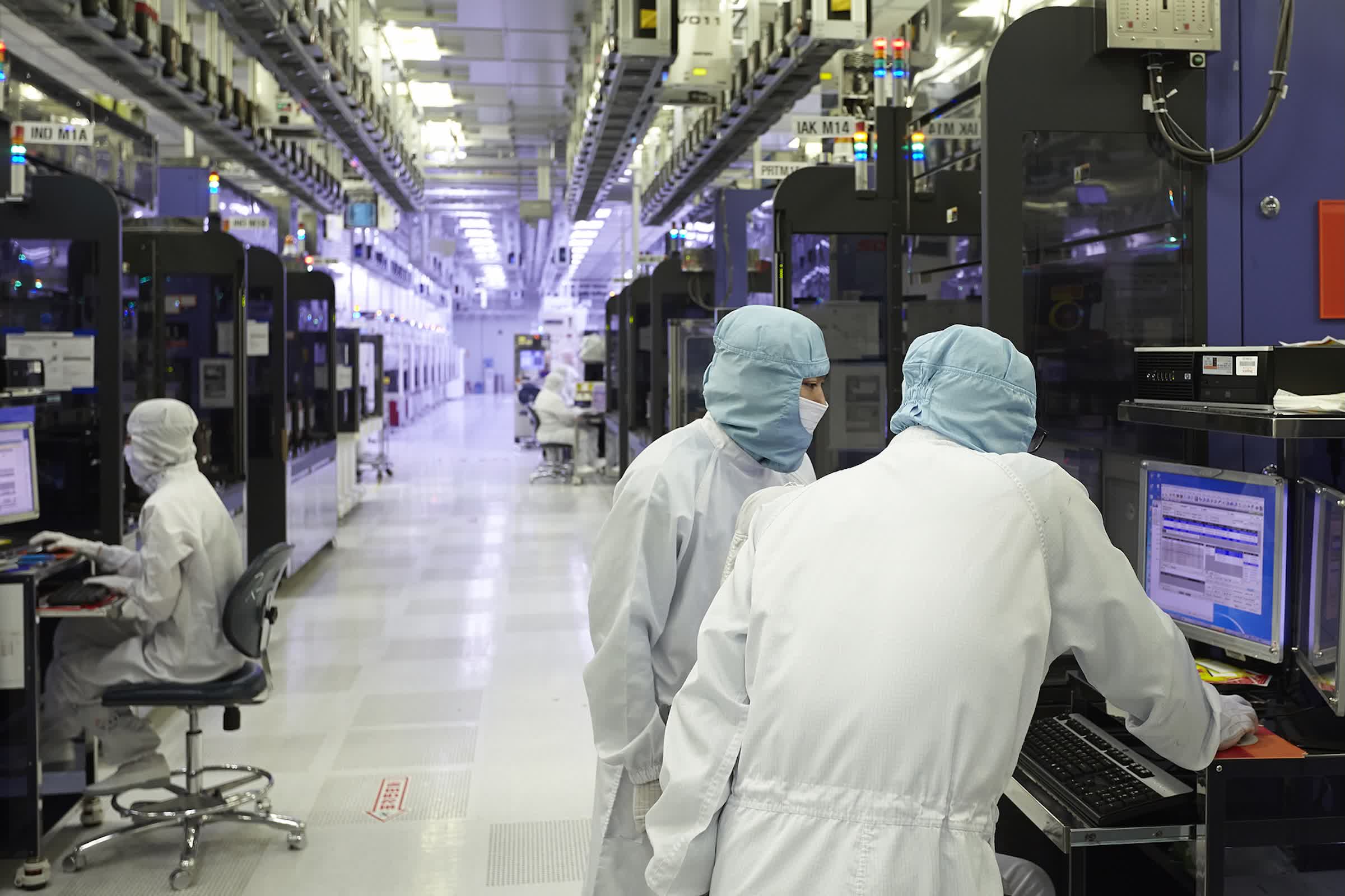
For now, major chip producers appear to have contingency measures in place. SK hynix said it has diversified its helium procurement and secured adequate inventory. TSMC noted that it is monitoring the situation closely but does not expect a significant short-term impact.
Together, South Korea and Taiwan account for roughly 36% of global semiconductor output, according to the Semiconductor Industry Association and Boston Consulting Group.
Industry consultant Phil Kornbluth, speaking at a Gasworld webinar earlier this month, warned that if Ras Laffan remains offline beyond two weeks, industrial gas distributors could face months of logistical realignment – including relocating cryogenic equipment and validating new supplier relationships.
The disruption recalls the 2022 gas shortage triggered by Russia's invasion of Ukraine, which curtailed supplies of both helium and neon. That earlier crisis spurred South Korea to pursue local production and broader sourcing options – efforts now being tested as the semiconductor industry confronts its latest supply shock from the Middle East.
Drone strikes halt a third of the world's helium supply, threatening chip production


