Looking ahead: PC Partner Group says the market for lower-priced graphics cards could get tighter in the second half of 2026, as rising memory costs continue to push up prices and limit supply. The company, which owns Zotac, Inno3D and Manli, said in its first-half results that shortages would become "even more" severe in the entry-level segment. It also expects average selling prices to rise further as the year progresses.
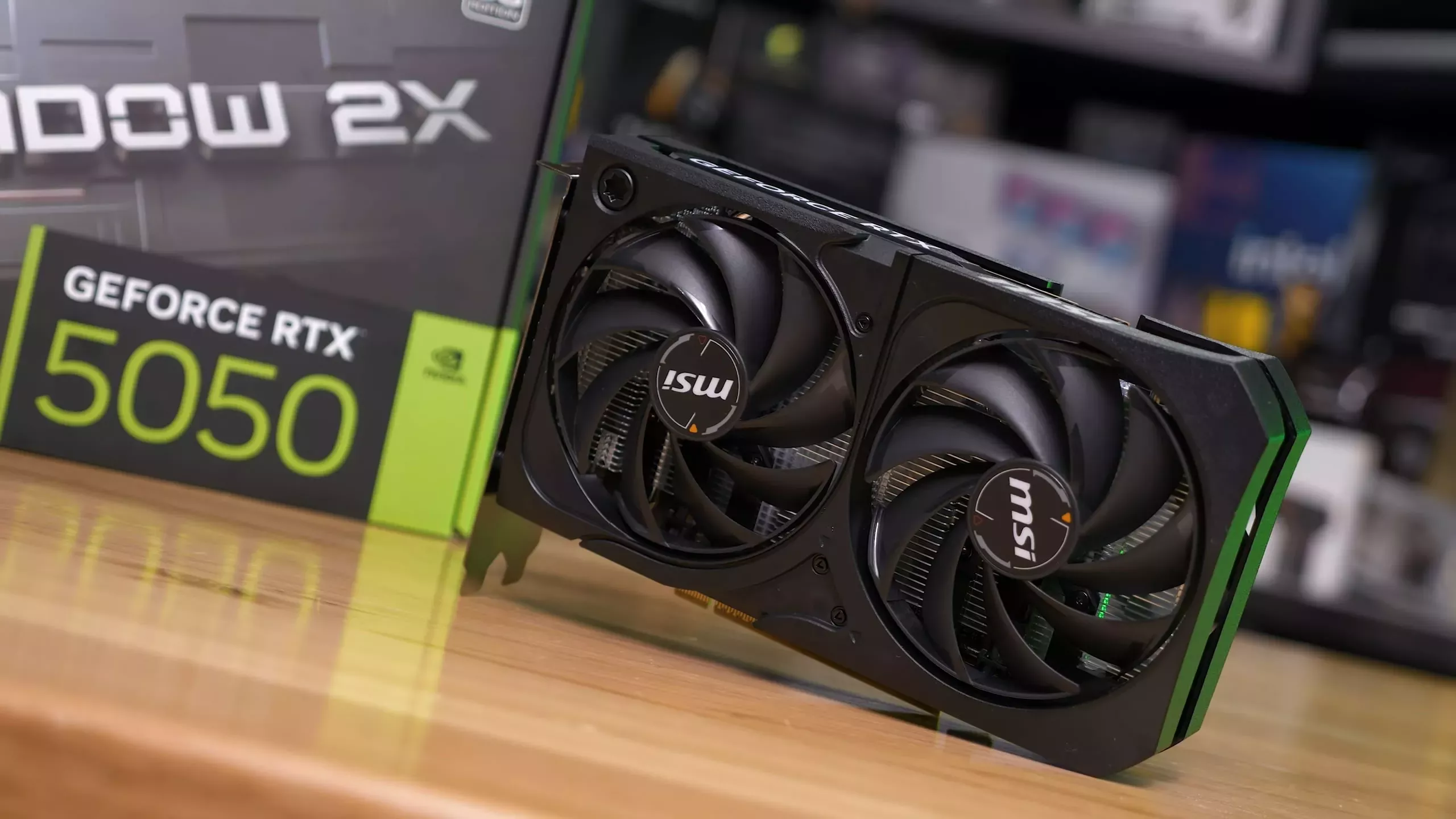
The main issue is VRAM, as demand tied to AI infrastructure has put pressure on supplies of GDDR6 and GDDR7.
PC Partner did not identify affected products, but entry-level cards such as Nvidia's RTX 5050 and AMD's Radeon RX 9050 have already been listed above their suggested prices in some markets.
PC Partner also said lead times for CPUs, standard DRAM, and other core components have become "significantly longer." That makes it harder for manufacturers to forecast availability, place orders, and maintain steady production.
DRAM prices have risen several times this year as data-center demand has increased. For graphics-card makers, higher memory prices affect more than the cost of a finished board. They can also limit how many products can be built and shipped, especially when suppliers prioritize larger or more profitable orders.
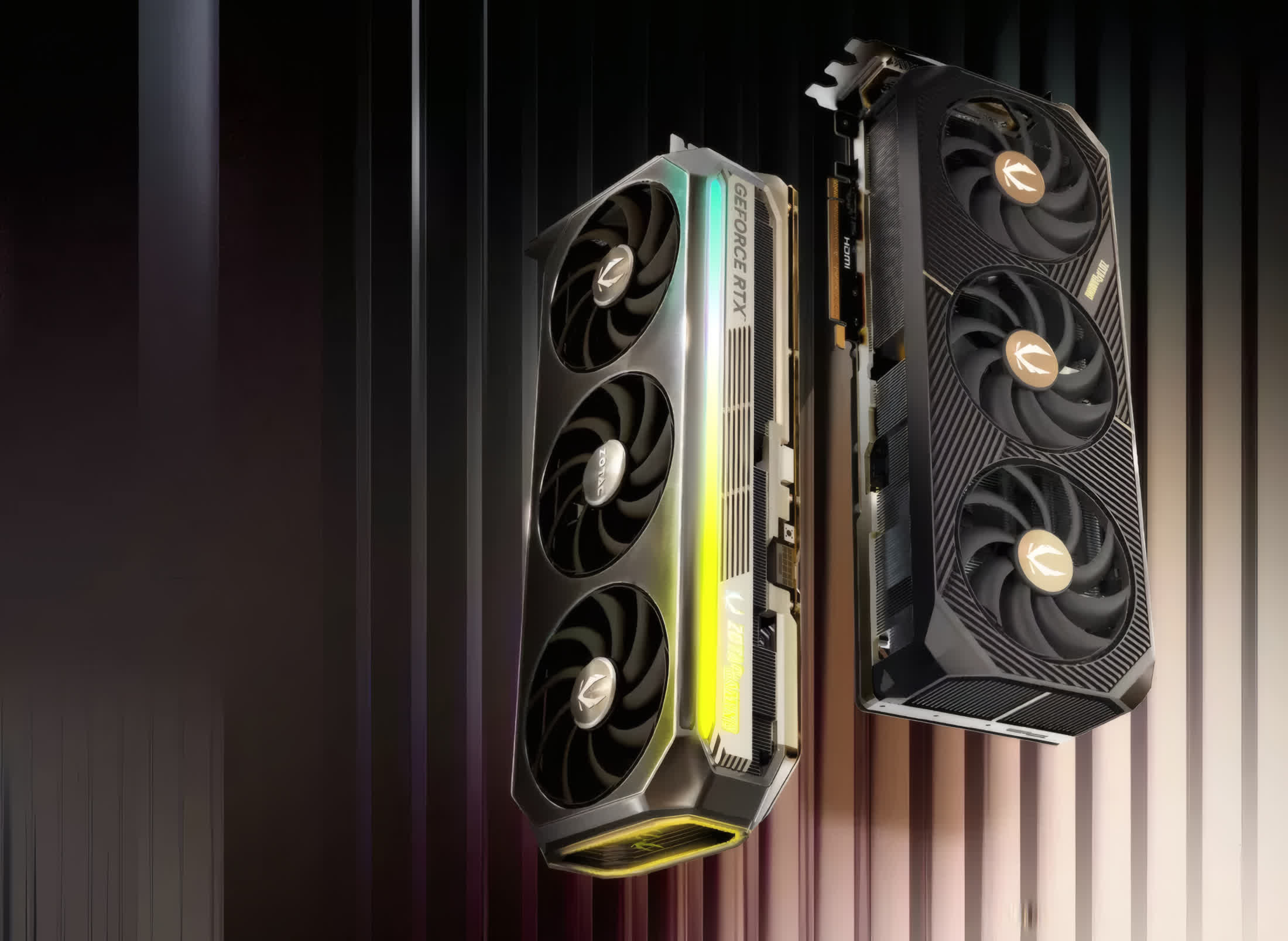
PC Partner said shortages reduced graphics-card sales volume during the first half of the year. Still, the average selling price of its cards rose 10.7% from the same period a year earlier.
Revenue increased 1.5% to about $820 million. Net profit more than doubled to roughly $69.5 million from about $31.9 million a year earlier. The results show that higher prices helped offset lower unit availability, even as component constraints limited sales volume.
That is a difficult combination for PC builders. Entry-level cards have long been the best option for buyers who do not need or cannot justify a midrange or high-end GPU. If supply keeps tightening, those products may no longer provide much protection from the broader increase in graphics-card prices.
AI-related demand has been reshaping the memory market throughout 2026. Consumer GPUs do not use the same configurations as data-center accelerators, but the markets still compete for manufacturing capacity and related supply-chain resources. When memory costs rise, board partners have few ways to absorb the increase without raising prices.
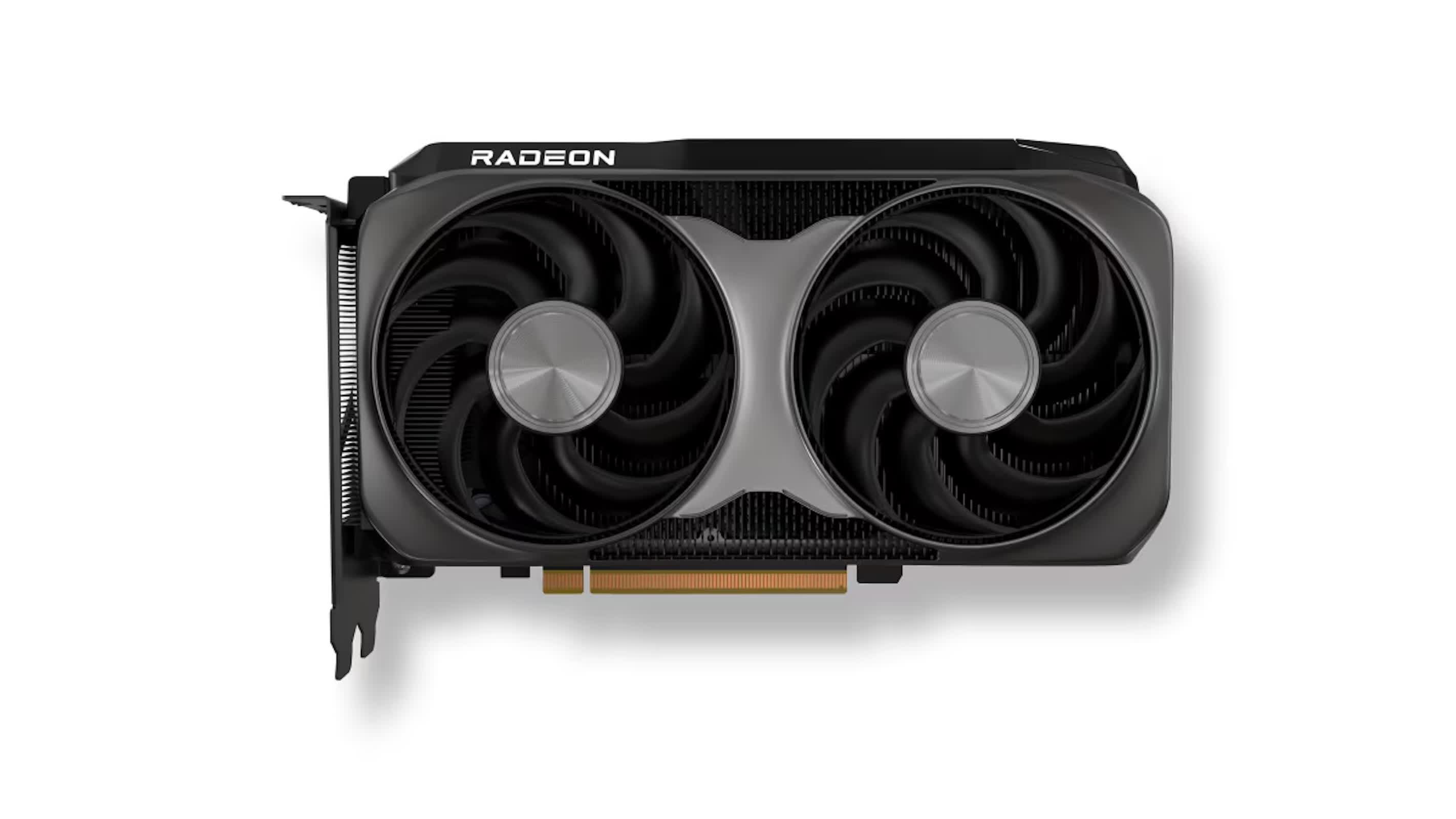
PC Partner's outlook also comes as GPU prices have moved above launch levels across the market. AMD has confirmed that it will raise prices further in the second half of the year.
The company's warning points to another difficult stretch for buyers trying to build affordable gaming PCs. Unless memory supply improves, entry-level graphics cards may become harder to find and even more expensive.
Entry-level GPU shortages will get worse in the second half of 2026, warns PC Partner