The takeaway: App sideloading has been a contentious issue since the dawn of mobile computing. Google is now taking a hardline approach, citing alleged security concerns, but a major app platform is warning against the company's attempt to eliminate alternative stores entirely.
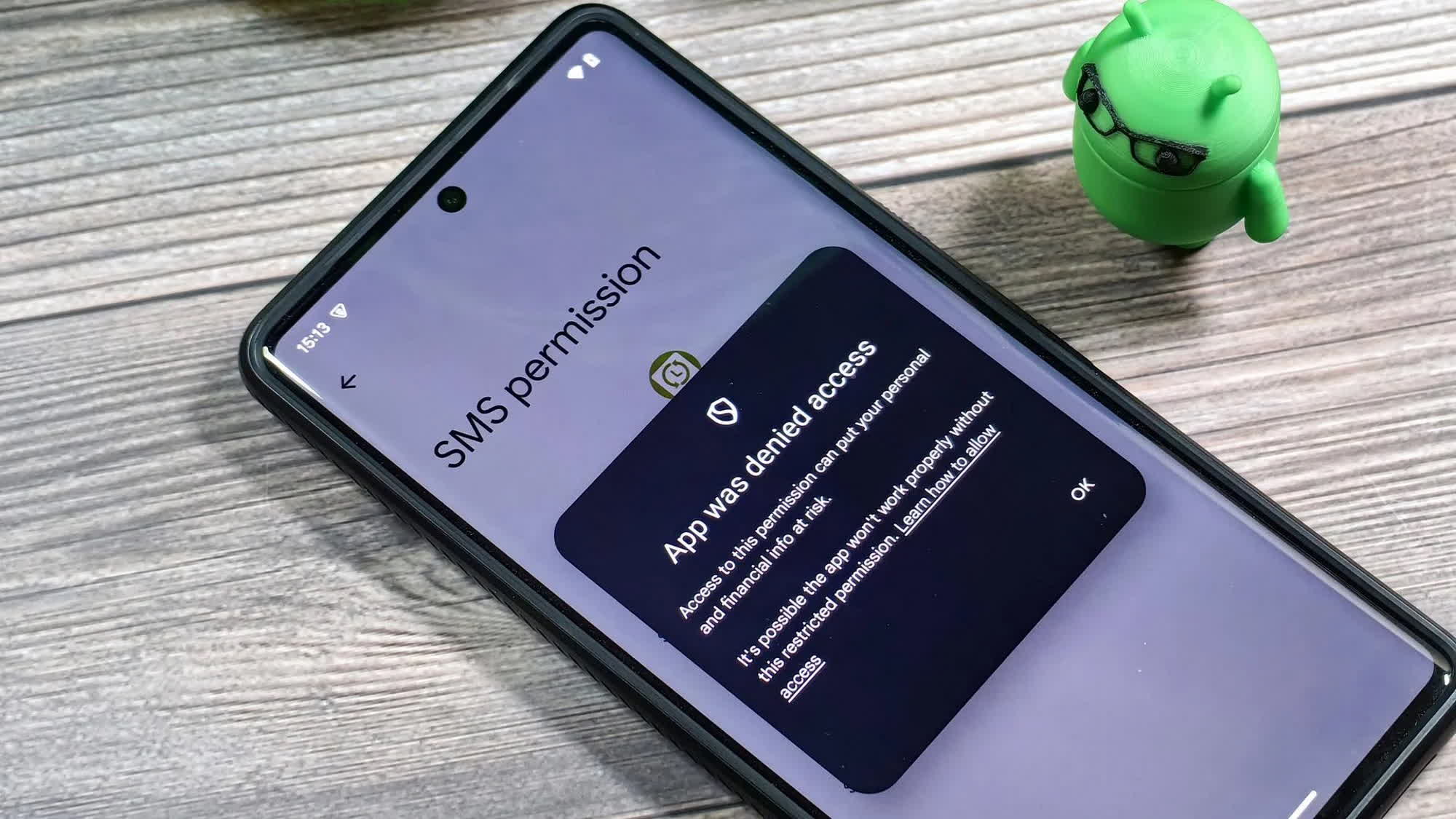
F-Droid is raising alarms over Google's recent decision to strictly limit app sideloading on Android. After 15 years on the market, the alternative app store now faces possible closure, with Mountain View reportedly aiming to tighten its de facto monopoly over the once-open mobile platform.
F-Droid is a catalog of free and open-source apps designed for Android. The service provides a vetted repository of secure apps, selected from open-source projects that avoid anti-user features such as tracking or advertising. The F-Droid team reviews every app in the catalog to ensure it contains no "anti-features" before making it available to users.
Every F-Droid app package is signed with a cryptographic key, and the source code is publicly accessible. Users can also download individual apps directly from the project's website, bypassing the "official" store entirely. According to F-Droid, this model offers an elegant and proven way to distribute apps that are safe, useful, and designed solely in the user's best interest.
F-Droid's model is now at risk after Google recently decided that every Android app developer must register an account on its centralized platform. Under the new rules, app creators will be required to pay a registration fee, accept constantly changing terms and conditions, and provide personally identifiable documentation, including government-issued IDs.
"If it were to be put into effect, the developer registration decree will end the F-Droid project and other free/open-source app distribution sources as we know them today," F-Droid's "marcprux" warns.
Google is framing its latest restrictions on sideloading as a security measure. While sideloading may carry theoretical risks, malware and other security threats continue to appear regularly on Google Play. Corporate-enforced gatekeeping does not inherently make a platform safer; instead, it primarily reduces diversity and threatens the open-source ecosystem.
F-Droid points out that Google already has a robust remediation mechanism through Play Protect, which should be sufficient to handle security threats without restricting direct app installation. The organization emphasizes that the freedom to run any software on a computing platform should remain a fundamental right on both computers and mobile devices.
In addition, F-Droid is calling on developers and users to help resist Google's anti-competitive measures. The organization encourages people to contact their representatives in the US, Europe, and elsewhere to demand that open app distribution be preserved. Regulators may also take a second look at Mountain View's dominance in the mobile software market.
F-Droid warns crackdown on Android app sideloading could kill open app stores


