First look: A software update doesn't usually change what a car is, but General Motors is betting this one might. The automaker has begun enabling certain electric vehicles to send power back to the grid, building on a setup that, until now, was mostly talked about as a backup for homes during outages. With the update, the same cars can work as small energy sources, feeding electricity into local grids when demand jumps.
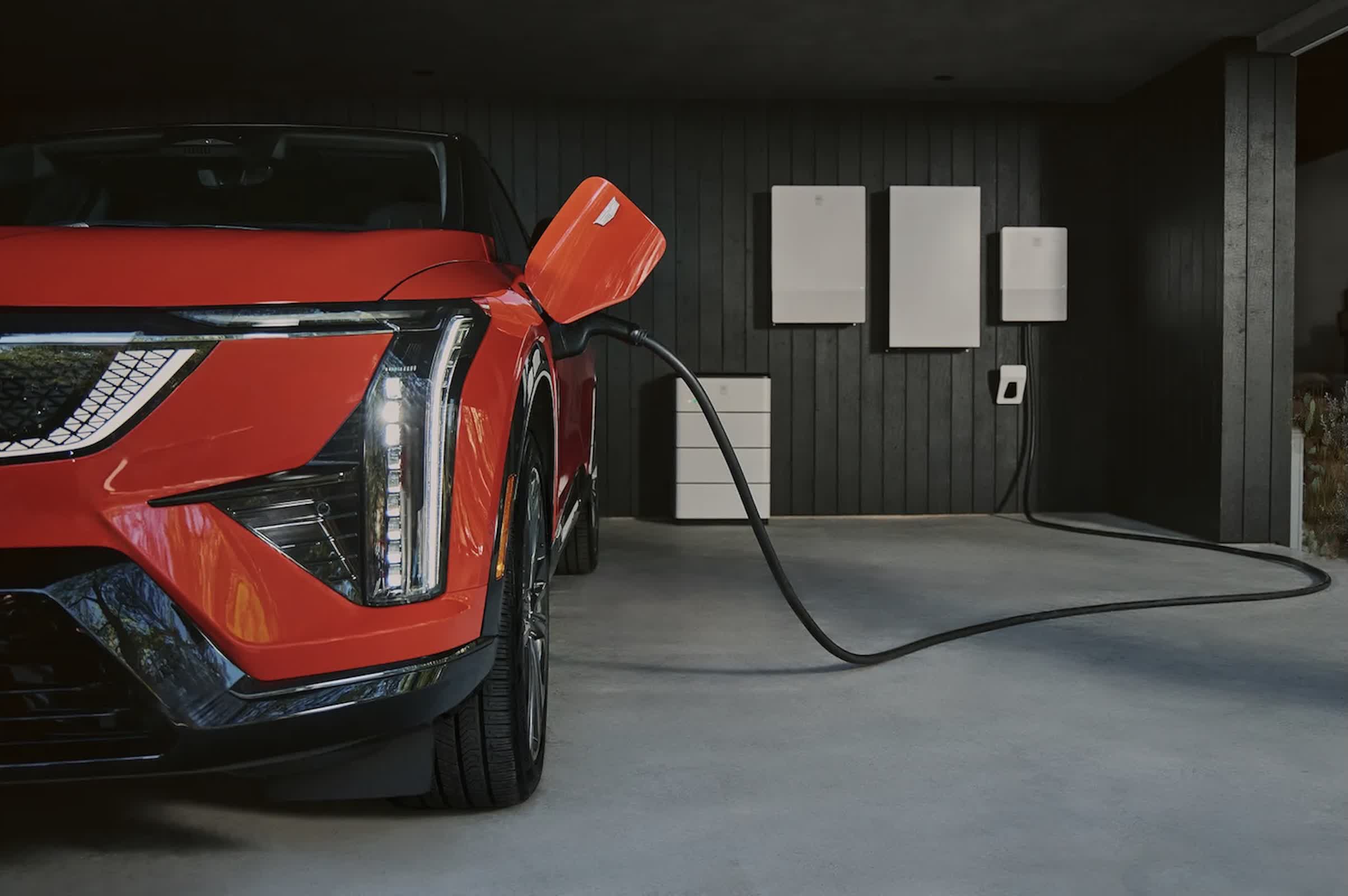
GM has already put the basics in place. Roughly 250,000 of its electric vehicles on US roads can perform bidirectional charging – power can flow into the battery and back out again. That has mostly meant keeping the lights on at home during an outage. Now GM is trying to plug that same capability into the wider grid.
The company can "turn every GM EV on the road into a distributed power resource," said Sterling Anderson, the automaker's chief product officer, at a company event in San Francisco on Tuesday.
The basic idea is simple, even if the logistics are not. Drivers charge when electricity is cheap, then sell some of that energy back when the grid is under strain. Utilities get a flexible source of extra power without building new plants, and GM takes a cut of what owners earn.
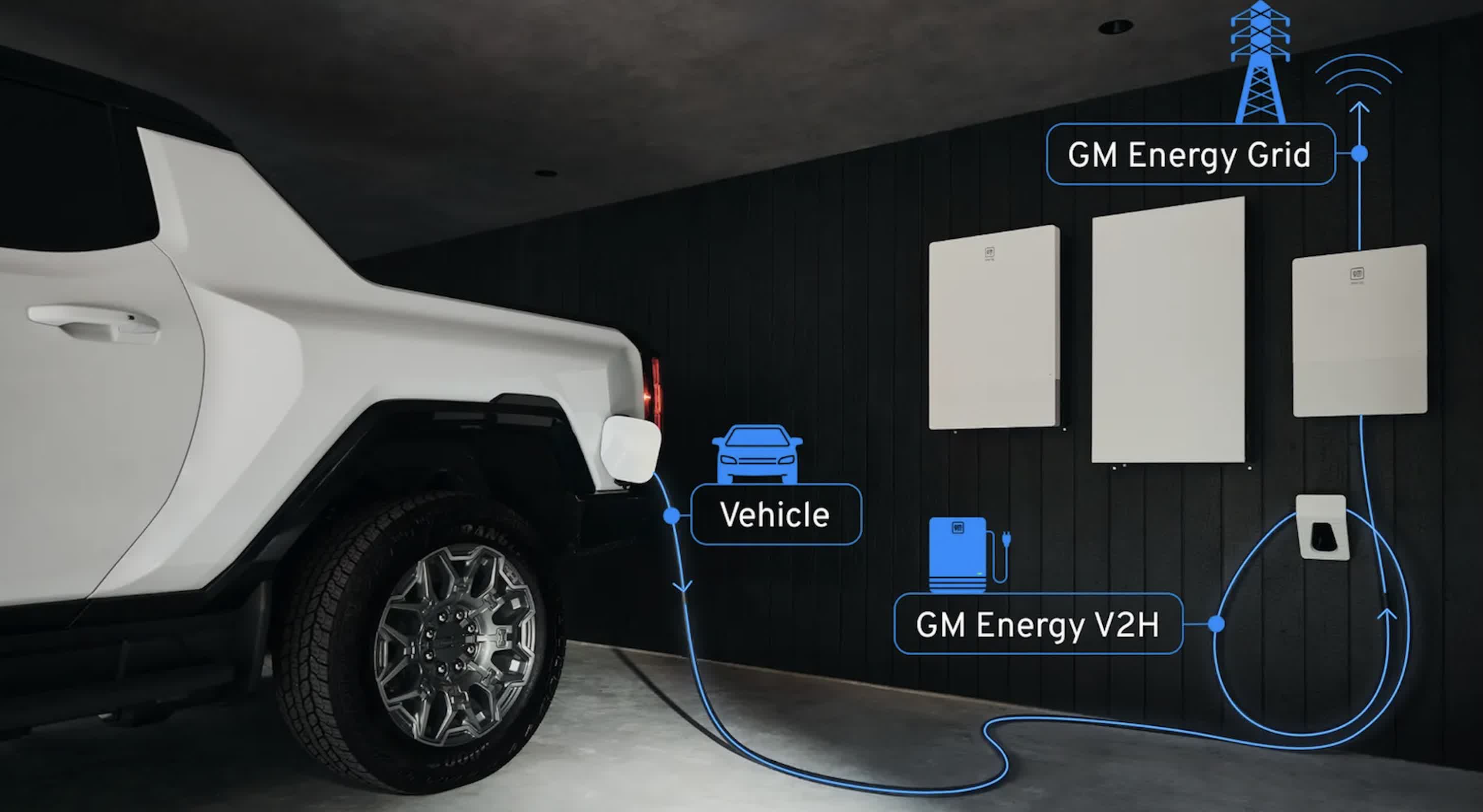
Even so, adoption remains limited. While hundreds of thousands of vehicles have the bidirectional hardware, only "thousands" of customers are actually using GM Energy systems, according to the company.
To let a car power a home – or tie into the grid – owners need extra hardware sold through GM Energy, a roughly four-year-old subsidiary. The package runs about $20,000 before installation, and GM says most customers can earn that back in around five years, depending on how often they use the system and local power prices.
There's also the coordination problem. The US grid is run by nearly 3,000 utilities, each with its own rules. Each one has to sign off on the equipment and create a program that pays customers for the power they send back. GM says it is talking with roughly 10 utilities now, with early rollouts expected in states such as California and Texas.
In Michigan, GM is working with DTE Energy on a small-scale test involving 30 employees. The goal is to understand how EVs behave as grid assets under real-world conditions. On the West Coast, the company is collaborating with Pacific Gas and Electric on a longer-term effort to connect 52,000 vehicles to Northern California's grid by 2030.
The slow pace is not unusual for a technology that sits at the intersection of automotive engineering and utility infrastructure. A research project led by UC Irvine, in partnership with Kia and Hyundai, took years to deploy across just six homes. "Here we are two years later – not four weeks later – and utilities around the country are just beginning to address this," Scott Samuelsen, who directed the project and is a professor of mechanical and aerospace engineering at UC Irvine, told Wired. "It's very new."
Utilities are still working through basic questions, including how to ensure different systems can communicate and how to manage the added complexity of mobile energy sources. In Washington state, Puget Sound Energy is running a pilot program through early next year to test those dynamics. Clint Stewart, a senior product development manager at PSE, expects progress, but not quickly. "I'd like to believe that in five years, we'll be at a point where it's relatively figured out," he says.
For GM, the technical hurdles are only part of the challenge. The company also needs to convince drivers that sharing their battery capacity is worth it. That means giving owners confidence they won't be left without enough charge when they need to drive. Over time, GM expects the software to learn a driver's routine and avoid draining the battery right before they need the car.
More broadly, GM's move fits a trend across the industry. With EV demand buffeted by policy shifts, automakers from Ford to Tesla have been trying to build energy businesses alongside their car sales.
"We have a once-in-a-lifetime opportunity to reshape how drivers interact with their vehicles and turn them into something more than just transportation," said Wade Sheffer, GM Energy's vice president.


