Google tells some remote workers to return to the office or face termination

midian182

Posts: 11,633   +176
Staff member
In brief: Google is following Amazon's hardline approach for workers who refuse to come back to the office. The company is demanding that some of its full-time remote employees return to their closest office locations for at least three days per week or face losing their jobs.
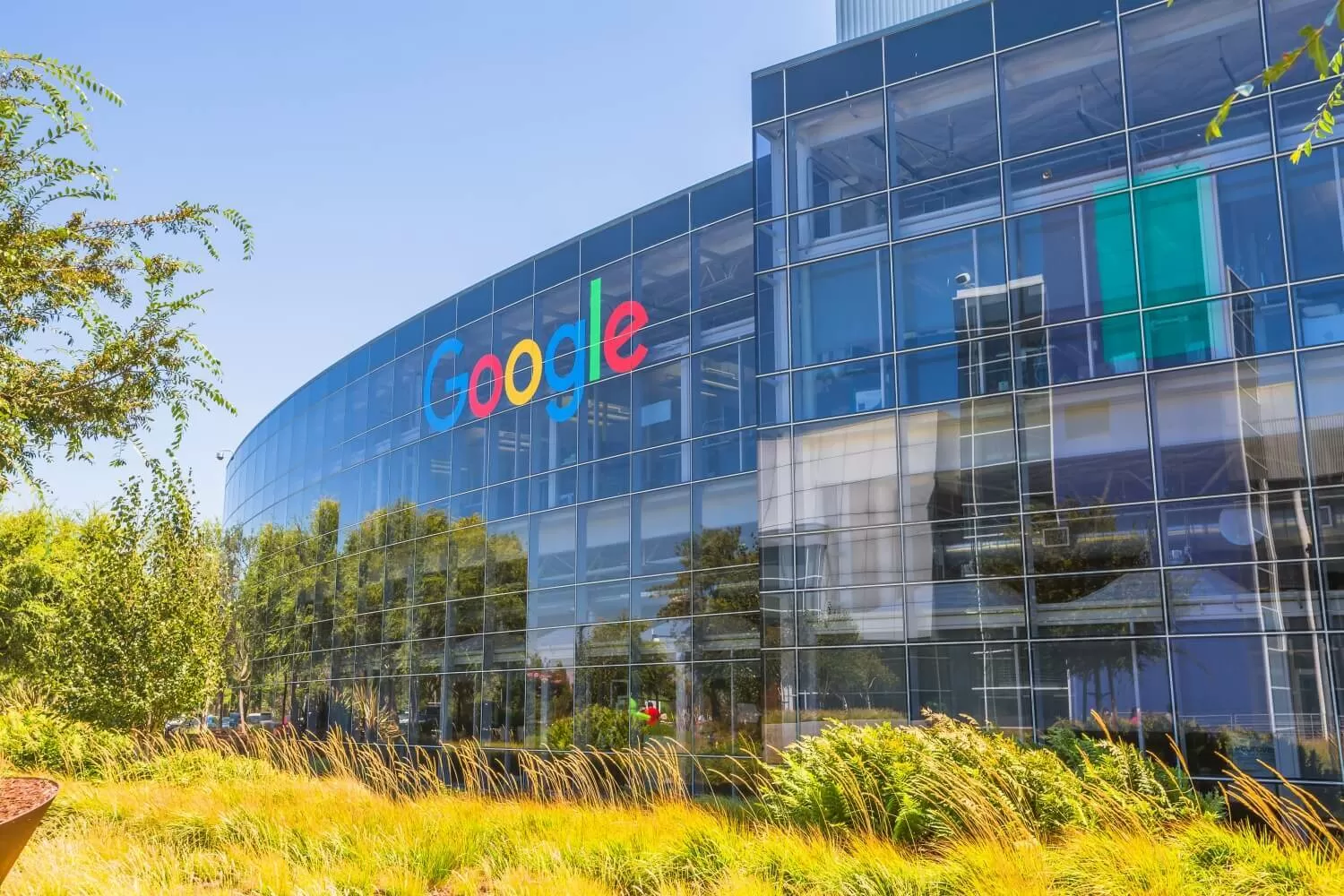
Google was one of the companies who decided to play it safe when it came to bringing workers back following the pandemic. It introduced hybrid work models in April 2022, though managers were able to approve fully remote exceptions.

Google started tightening the leash in June 2023, when it began tracking hybrid employees' office badges to find out if they come in on the days they're supposed to. These office attendance records are recorded for performance reviews. Google also asked fully remote staff to consider coming back three days each week.

2023 was also the year that Google's HR told managers to review long-term remote arrangements and require some people to move closer to an office or convert to hybrid. More changes came last year when Google decided to approve remote requests only in "exceptional" cases.

Now, according to internal documents viewed by CNBC, Google is pushing many remote staffers to switch to hybrid or face the consequences. Employees in Google Technical Services have been told to either come in at least three days per week or take a voluntary exit package. Remote employees in the unit are also being offered a one-time relocation expense to move within 50 miles of an office.

Moreover, remote employees in Google's People Operations division who live within 50 miles of an office must switch to hybrid work this month or their roles will be eliminated.

Earlier this year, Google offered voluntary exit packages for employees working in the Platforms and Devices group, which includes the Pixel and Android teams that had just merged. The offer was extended to full-time employees in its People Operations division in March.

Sergey Brin, the billionaire who co-founded Google with Larry Page in 1998 and is now assisting with its AI efforts, recently said that 60-hour in-office weeks were crucial for Google to come out on top in the ultra-competitive AI industry.

Former Google CEO Eric Schmidt also made his feelings on remote work clear in 2024. He said that "Google decided that work-life balance and going home early, and working from home, was more important than winning." He later partially backtracked following an outcry over his comments.

Permalink to story:

 
Ok, here's the deal. In this case GOOGLE is the employer. Unless the employee(s) signed some sort of contract stating they could work from home, then Google has the right to tell them to work from the office.
End of discussion.
 
Often such a waste of resources for everyone involved. Not saying all work can be done at home or without ever checking in. But so much of it just wastes so much.
The employees having to commute, that's 2 hours of your day gone for most. Quite possibly more if you have a long way to travel or uh you know... don't even bother to put pants on at home whilst when you go in for work you shower/shave/apply make-up/whatever.

The employer can save costs on office space, parking space and everything that comes with it (aircon/heating/whatever).
The employee can save on time and transport.
Should be a win-win whenever it's an option.

Sadly there is always other factors at play like people slacking off at home (but if their productivity drops compared to before... just fire them?). And managers that think everyone is slacking off if they cannot see them every single second.
 
With Donald looking to crater the economy in short order, companies sense the power balance has shifted back in their favor and are going to use this opportunity to **** over employees any way they can.

What are you gonna do about it? Get another job? What other job?
 
Ok, here's the deal. In this case GOOGLE is the employer. Unless the employee(s) signed some sort of contract stating they could work from home, then Google has the right to tell them to work from the office.
End of discussion.
I'm sure Google believes that contracts/agreements should be dynamic and open for negotiation. If they don't they sure do send out a lot of updated terms and conditions e-mails to end users of their products. In a metric driven digital work environment there is no reason why a significant number of employees shouldn't be able to work from home if they are continuing to meet their assigned goals.
 
They’re right of course… while there are exceptions (and I’m sure those people aren’t getting targeted by Google), the vast majority of jobs are more effectively done on-site.

Collaboration is always more effective in person.

For a huge company, this is a no-brainer.
False.

I work for a 30K+ company. We have embraced fully remote and even allowed remote prior to Covid. We have had one year of not getting raises in 20+ years and that was during the first trump presidency. And while I wont out it, my company impacts every person in the USA.

We have high standards. Its very easy to evaluate employee performance with objectives and goals, not micro managing.

Anyone who says what you just said is purely jealous of folks improving their working life. But honestly, folks who work from home work FAR harder than folks in the office pretending or kissing *** for a living. We dont stop at 6pm, we work weekends, we start before 9am, we are on call 24/7. Ive been in both situations, there is no fooling me.

I am a people leader for a remote team in Cyber security and there is absolutely no value to forcing someone to go into an office to do their job. Most folks dont live near an office either so by limiting to the population around your select offices, you greatly limit your talent pool. We dont care if someone goes and picks their kids up in the middle of a work day. They come back and complete their objectives.

Hey, if you have to run an errand, go for it. We treat folks like humans, not robots and our productivity, willingness to work extra and care shows. Just let your manager know and dont abuse it. Complete your objectives, everyone is fine.

Save the diatribe.

The only thing I will admit is its not for everyone, some folks dont do well with it as some folks dont do well in the office.
 
False.

I work for a 30K+ company. We have embraced fully remote and even allowed remote prior to Covid. We have had one year of not getting raises in 20+ years and that was during the first trump presidency. And while I wont out it, my company impacts every person in the USA.

We have high standards. Its very easy to evaluate employee performance with objectives and goals, not micro managing.

Anyone who says what you just said is purely jealous of folks improving their working life. But honestly, folks who work from home work FAR harder than folks in the office pretending or kissing *** for a living. We dont stop at 6pm, we work weekends, we start before 9am, we are on call 24/7. Ive been in both situations, there is no fooling me.

I am a people leader for a remote team in Cyber security and there is absolutely no value to forcing someone to go into an office to do their job. Most folks dont live near an office either so by limiting to the population around your select offices, you greatly limit your talent pool. We dont care if someone goes and picks their kids up in the middle of a work day. They come back and complete their objectives.

Hey, if you have to run an errand, go for it. We treat folks like humans, not robots and our productivity, willingness to work extra and care shows. Just let your manager know and dont abuse it. Complete your objectives, everyone is fine.

Save the diatribe.

The only thing I will admit is its not for everyone, some folks dont do well with it as some folks dont do well in the office.
Cybersecurity is clearly an exception - but google is more than just a “30k + company” and they do more than cybersecurity!

If Google has decided that they need people in the office, who are you to decide they’re wrong?
 
Cybersecurity is clearly an exception - but google is more than just a “30k + company” and they do more than cybersecurity!

If Google has decided that they need people in the office, who are you to decide they’re wrong?
I didnt decide anything.

You stated unequiviocally:
"Collaboration is always more effective in person.

For a huge company, this is a no-brainer."

This is false. You are the one deciding that no large company can be productive working remote and that is 100% objectively false.

My team works remote yes, but our entire company does too and that includes developers, managers, CS teams, etc. My company isnt a cybersecurity company, its just where I work in the org.
 
I didnt decide anything.

You stated unequiviocally:
"Collaboration is always more effective in person.

For a huge company, this is a no-brainer."

This is false. You are the one deciding that no large company can be productive working remote and that is 100% objectively false.

My team works remote yes, but our entire company does too and that includes developers, managers, CS teams, etc. My company isnt a cybersecurity company, its just where I work in the org.
Did you read my ENTIRE post? I said there were exceptions - but those exceptions are not who Google was targeting…
 
False.

I work for a 30K+ company. We have embraced fully remote and even allowed remote prior to Covid. We have had one year of not getting raises in 20+ years and that was during the first trump presidency. And while I wont out it, my company impacts every person in the USA.

We have high standards. Its very easy to evaluate employee performance with objectives and goals, not micro managing.

Anyone who says what you just said is purely jealous of folks improving their working life. But honestly, folks who work from home work FAR harder than folks in the office pretending or kissing *** for a living. We dont stop at 6pm, we work weekends, we start before 9am, we are on call 24/7. Ive been in both situations, there is no fooling me.

I am a people leader for a remote team in Cyber security and there is absolutely no value to forcing someone to go into an office to do their job. Most folks dont live near an office either so by limiting to the population around your select offices, you greatly limit your talent pool. We dont care if someone goes and picks their kids up in the middle of a work day. They come back and complete their objectives.

Hey, if you have to run an errand, go for it. We treat folks like humans, not robots and our productivity, willingness to work extra and care shows. Just let your manager know and dont abuse it. Complete your objectives, everyone is fine.

Save the diatribe.

The only thing I will admit is its not for everyone, some folks dont do well with it as some folks dont do well in the office.
Generally, I agree. But I also think it comes down to culture.

Of course, if the bosses "decide" that in-person collaboration is better, it will be "better". If you have leaders who don't read or respond to IMs, refuse to answer questions over email, refuse to learn how to use Zoom or Teams, or always wants to has things out face-to-face, of course in-person work will be better than remote work. But if you have leadership that understand how to work remotely and directly measure work outputs that matter, then things should be hunky-dory.

Like most things corporate: the culture comes from the top.
 
Generally, I agree. But I also think it comes down to culture.

Of course, if the bosses "decide" that in-person collaboration is better, it will be "better". If you have leaders who don't read or respond to IMs, refuse to answer questions over email, refuse to learn how to use Zoom or Teams, or always wants to has things out face-to-face, of course in-person work will be better than remote work. But if you have leadership that understand how to work remotely and directly measure work outputs that matter, then things should be hunky-dory.

Like most things corporate: the culture comes from the top.
Absolutely. Someone who disappears without notice, doesnt answer IM's and isnt completing their objectives wouldnt last a month in our org. I would have the person on a PiP within their starting month.

Low performers stand out like a sore thumb when you hold folks accountable to their objectives.

What you described is companies settling for low standard employees so they create arbitrary rules to help curb the behavior. After saying that I can honestly say that I get it, some folks HATE WFH and will not be productive. I acknowledge that.

Folks railing against WFH employees as lazy though are probably the ones faking their office work more than anyone. Folks who WFH are usually on call 24/7, dont stop work at 6, work nearly every weekend, etc. I put nearly 30% more time into my company for the same salary just because I WFH now.

When I was in the office, I shut my laptop down at quitting time and that was it. No on call nonsense.

The talent pool you are pulling from is another huge benefit. I have a CR and India guy that are worth their weight in gold. If we limited our hires to 100 miles around our office, we wouldnt have these incredible folks working for us. There are many benefits to a hybrid work style. If you live near an office and WANT to go, you can. You will likely be sitting there by yourself though as the offices remain vacant. Many will close this next FY.
 
Last edited:
Did you read my ENTIRE post? I said there were exceptions - but those exceptions are not who Google was targeting…
I read it, its just a ridiculous post tbh. I understand what you tried to say, but you dont get to say your entire post is accurate just because "there are exceptions".

The 2nd half of your comment was talking in absolutes and that is... simply not accurate. Its bad form to do so.

You have no basis for stating the "the vast majority of jobs are more effectively done on-site." or anything in your statement actually. Its 100% just an opinion you decided to share with no factual backing.

You just sounding off like an authority while having nothing to back it up other than "trust me bro" which isnt an objective truth. I presented a real situation that misproves it and I dont think you can cite objective truth and %'s to refute it.

If you want to say "google said go to the office so go to the office" ok! But there is no basis for anything else you said and contrary, we can pull up tons of examples that prove you wrong.

Im not here to debate you bro. Honestly, you just sound bitter you cant WFH, I dunno if thats the case but I support you getting that benefit if it fits your jobs opportunity and hope in the future you experience it for yourself in a company that values employees and doesnt just treat them like owned property.

Despite our differences in many opinions and topics, I always want your life to get better and hope that it does.
 
Last edited:
I read it, its just a ridiculous post tbh. I understand what you tried to say, but you dont get to say your entire post is accurate just because "there are exceptions".

The 2nd half of your comment was talking in absolutes and that is... simply not accurate. Its bad form to do so.

You have no basis for stating the "the vast majority of jobs are more effectively done on-site." or anything in your statement actually. Its 100% just an opinion you decided to share with no factual backing.

You just sounding off like an authority while having nothing to back it up other than "trust me bro" which isnt an objective truth. I presented a real situation that misproves it and I dont think you can cite objective truth and %'s to refute it.

If you want to say "google said go to the office so go to the office" ok! But there is no basis for anything else you said and contrary, we can pull up tons of examples that prove you wrong.

Im not here to debate you bro. Honestly, you just sound bitter you cant WFH, I dunno if thats the case but I support you getting that benefit if it fits your jobs opportunity and hope in the future you experience it for yourself in a company that values employees and doesnt just treat them like owned property.

Despite our differences in many opinions and topics, I always want your life to get better and hope that it does.
Well, there ARE many papers that show that remote workers are 10-20% less productive...

I apologize if you took my post as being "absolute"... I MEANT to state that in the case of Google's employees, that working from home wasn't as productive.

Offering employees flexibility is always preferable - assuming the job allows for it. A job where you could come into the office 2-3 times per week perhaps, might be preferable to either.

There is no absolute answer here. Each company needs to decide for themselves what is best for them - and they have the right to do so.

I DO maintain that for the vast majority of jobs, remote working isn't as effective. I'm in the education sector, and we have seen first-hand that remote education for primary students has been an epic disaster.
 
Well, there ARE many papers that show that remote workers are 10-20% less productive...

I apologize if you took my post as being "absolute"... I MEANT to state that in the case of Google's employees, that working from home wasn't as productive.

Offering employees flexibility is always preferable - assuming the job allows for it. A job where you could come into the office 2-3 times per week perhaps, might be preferable to either.

There is no absolute answer here. Each company needs to decide for themselves what is best for them - and they have the right to do so.

I DO maintain that for the vast majority of jobs, remote working isn't as effective. I'm in the education sector, and we have seen first-hand that remote education for primary students has been an epic disaster.
Thats fine, we can each pull articles "proving" one or the other. Example:


I know it doesnt work for everyone and every profession. Obviously some professions CANNOT be remote. In the tech world, it largely can be very effective and cost saving while providing folks flexible work schedules to balance their life and families. That doesnt make them lazy (I know you didnt call them lazy but we all know that wfh folks get called that unfairly a LOT, especially around techspot).

Education, I can absolutely see how that would be disastrous in education our kids. Perhaps it was necessary as a temporary measure at the time but I am not talking about kids growing up. I am talking about working professionals. I dont think I could scrape anything to find support for remote education being a thing.

I am not saying wfh is ALWAYS better. Neither of us can claim one or the other. We can both cite examples of each side. I also acknowledge, I do benefit from SOME face to face time. I enjoy meeting my colleagues when the opportunity arises. I am glad its not forced every day though. Im not paid to be friends with these folks, I am to work with them though.

For a majority of folks who have the ability to wfh though, it provides cost effective, time saving avenues to approach their life.

If my company hadnt allowed a fully remote schedule for example, I would never have achieved my dream of being a home owner. Since they let me WFH, I wasnt forced to live in an overpriced box paying someone's third mortgage in Brooklyn with no future to ever afford a home at those prices. While I am compensated fairly, Ill never be a millionaire working here alone.

Ill honestly never work in another office at this point. Top tech talent can mostly dictate their work status as companies want top talent. I know a lot of top talent that once worked for Google for example, but all those folks have since moved on. I dont think the job is as prestigious as it once was. Same with Amazon, Microsoft, etc. The really big tech companies arent places a lot of top talent goes to anymore in most instances.

Anyway, I dont think we need to beat a dead horse, I think you and I have expressed our opinions and are not so far off from eachother in reality.
 
There's only one right answer:

Task-based management. NOT timesheets.

You're assigned tasks with due dates.

People who can work from home and complete their tasks by the due date can keep working from home because it's clearly working for them.

People who can't do it are forced back into the office until they prove they can - or, maybe they prefer it that way. That's fine.

The reason they're doing all-or-none, is that you still have holdouts who just want to book meetings to discuss meetings. Meetings are a blatant waste of productivity.

In technology, unless you're dealing with hardware, there's simply no reason to be in an office if you don't want to be. The key is to make sure you're productive and getting the work done. That requires a manager who STOPS the insanity with timesheets - timesheets are NOT, and never have been, an effective way to track productivity.

 
Absolutely. Someone who disappears without notice, doesnt answer IM's and isnt completing their objectives wouldnt last a month in our org. I would have the person on a PiP within their starting month.

Low performers stand out like a sore thumb when you hold folks accountable to their objectives.

What you described is companies settling for low standard employees so they create arbitrary rules to help curb the behavior. After saying that I can honestly say that I get it, some folks HATE WFH and will not be productive. I acknowledge that.

Folks railing against WFH employees as lazy though are probably the ones faking their office work more than anyone. Folks who WFH are usually on call 24/7, dont stop work at 6, work nearly every weekend, etc. I put nearly 30% more time into my company for the same salary just because I WFH now.

When I was in the office, I shut my laptop down at quitting time and that was it. No on call nonsense.

The talent pool you are pulling from is another huge benefit. I have a CR and India guy that are worth their weight in gold. If we limited our hires to 100 miles around our office, we wouldnt have these incredible folks working for us. There are many benefits to a hybrid work style. If you live near an office and WANT to go, you can. You will likely be sitting there by yourself though as the offices remain vacant. Many will close this next FY.
I wouldn't describe these managers senior employees as low performers. They are genuinely generating a staggering amount of quality work. These are just... workers of a certain generation that probably needed to be threatened to begin using email (via a very early version of Lotus Notes), over internal company paper mail back when the company began introducing computers for everyone. Or who still genuinely believe there is no substitute for "looking someone in the eye", even for minor & regular transactions and collaborations.
And for them, some genuinely were low performers when doing WFH and virtual-only work. They couldn't wrap their heads around how to use Zoom, or promptly responding to IMs, or just asking questions via IM, etc, so their work products suffered. These are the same ones where you - as some who knows how to use virtual meetings and IMs - would be better suited to calling them on the phone or poking your head into their office if you needed their input on something. As soon as you brought them (and others) back to the office, their work product improved again.
It probably could have been fixed, if company leadership did the same thing as last time when they rolled out email - "Use Teams & Zoom, or else" - but that didn't happen. Partly because the companies every executive loves to mimic - Meta, Amazon, Microsoft, etc - started bringing their employees back (to preserve tax breaks, rather than due to poor performance of some remote workers)
 
Back