
What just happened? It seems that Intel just can't catch a break these days. After the struggling company saw its credit rating reduced to two points above junk status this week, US lawmakers are now questioning CEO Lip-Bu Tan's ties to Chinese firms, as well as a criminal case involving his former company, Cadence Design Systems.
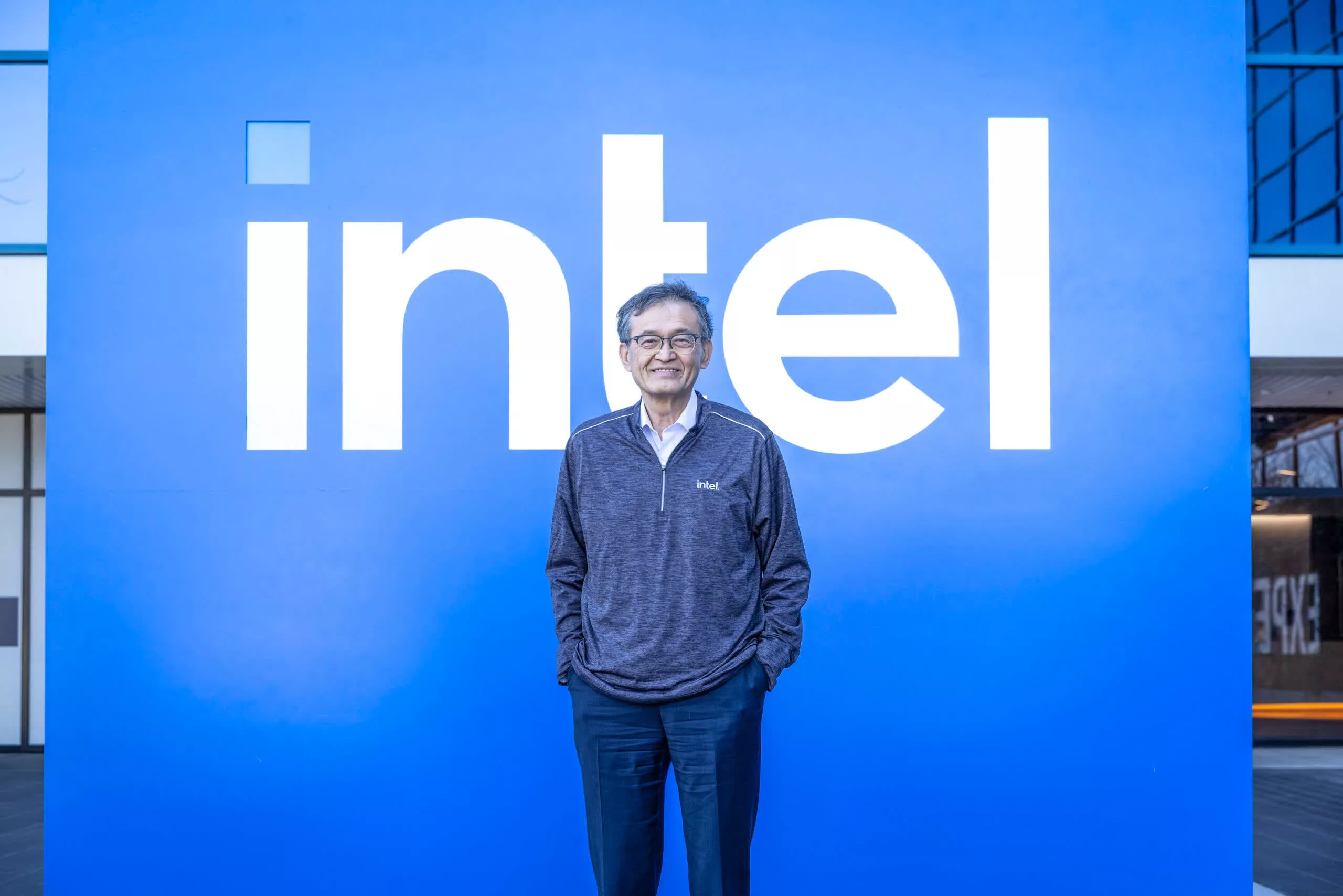
US Republican Senator Tom Cotton sent a letter to Intel's board of directors to express "concern about the security and integrity of Intel's operations and its potential impact on U.S. national security."
As reported by Reuters, Cotton asked in the letter to Intel chairperson Frank Yeary if the board is aware of the subpoenas sent to Cadence during Tan's time there as CEO before Intel hired him, and what measures were being taken to address these concerns.
Cadence Design Systems admitted to knowingly exporting restricted electronic design automation tools and semiconductor IP to China's National University of Defense Technology (NUDT) and its alias entities from 2015 to 2021. Tan ran Cadence as CEO from 2008 through 2021 and was executive chairman until May 2023.
The company pled guilty last week and agreed to pay over $140 million in combined criminal and civil penalties while implementing enhanced compliance controls.
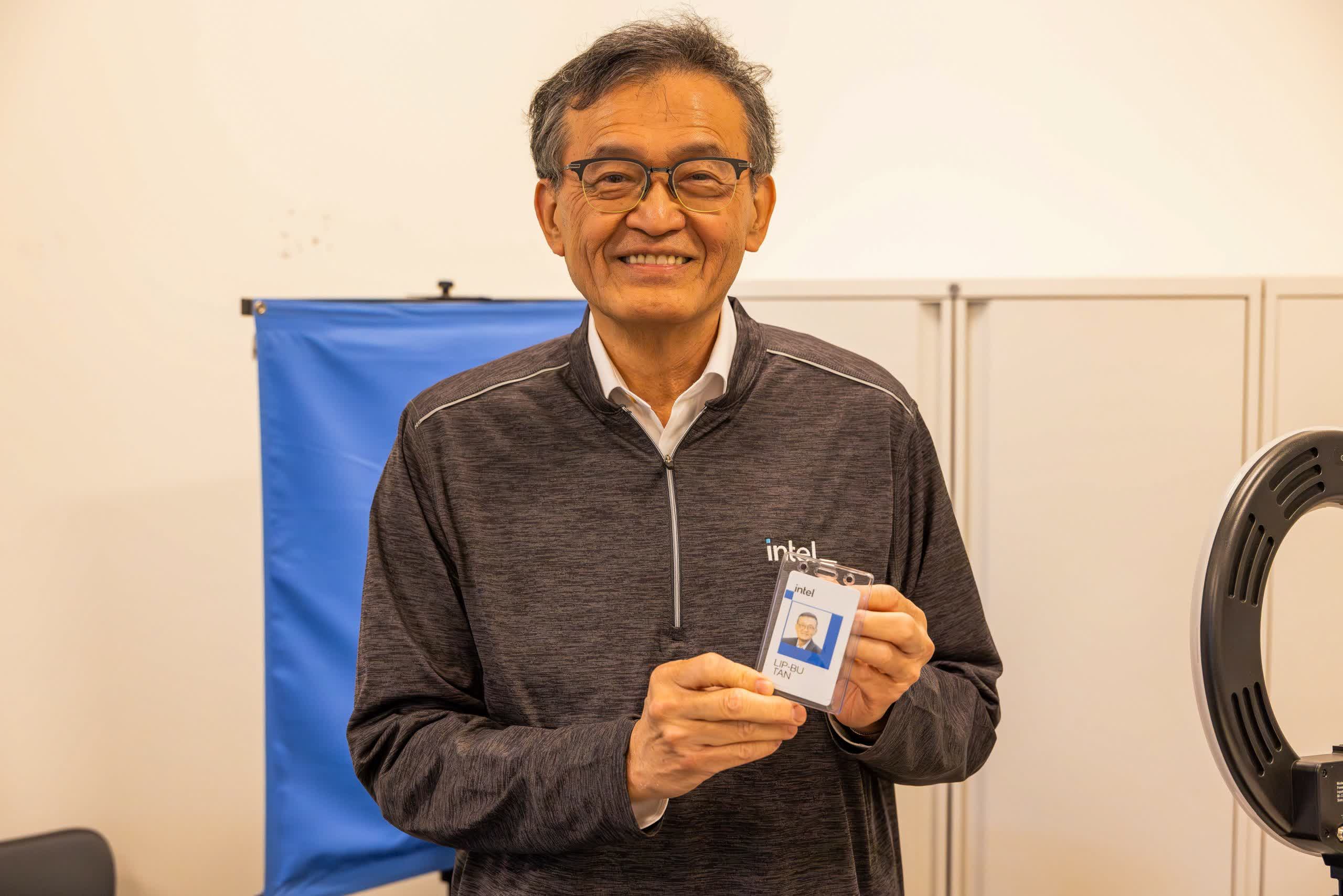
Cotton also raises questions about Tan's ties to China. He notes that as Intel is involved in the Secure Enclave program – a Biden-era initiative designed to ensure a trusted, domestically-controlled supply of chips for defense and intelligence systems – Tan must adequately disclose other ties to Chinese companies. As Intel receives federal funding under the initiative, Cotton asked about Tan's disclosures related to investment, professional roles, or other ties to Chinese companies.
There's also a question about whether Intel required Tan to divest from chip firms linked to the Chinese military or Communist Party.
"Intel is required to be a responsible steward of American taxpayer dollars and to comply with applicable security regulations," Cotton wrote. "Mr. Tan's associations raise questions about Intel's ability to fulfill these obligations."
Tan has invested millions into Chinese advanced manufacturing and chip firms, mostly through his VC firm, Walden. The report notes that it is not illegal for US citizens to hold stakes in Chinese companies, even when they have ties to the Chinese military, but not if they have been added to the US Treasury's Chinese Military-Industrial Complex Companies List. Reuters writes that there is no evidence that Tan has invested directly in any company on this list.
To say Intel isn't having a good time right now is an understatement. The company's credit rating was slashed to two steps above junk status by Fitch earlier this week. We then heard that its 18A process has been hit by low yields and quality issues, putting its manufacturing comeback in doubt.
Intel is being questioned over CEO Lip-Bu Tan's China ties and Cadence case


