Intel is giving a startup the keys to its x86 (Atom) CPU kingdom

Alfonso Maruccia

Posts: 2,626   +986
Staff
Does It matter?: Intel is providing a startup with significant access to its chip design schematics as part of a rare licensing deal involving the x86 instruction set architecture. RosaicLabs could now theoretically build its own x86 CPU, although speculation points to more cutting-edge applications such as robotics and AI.
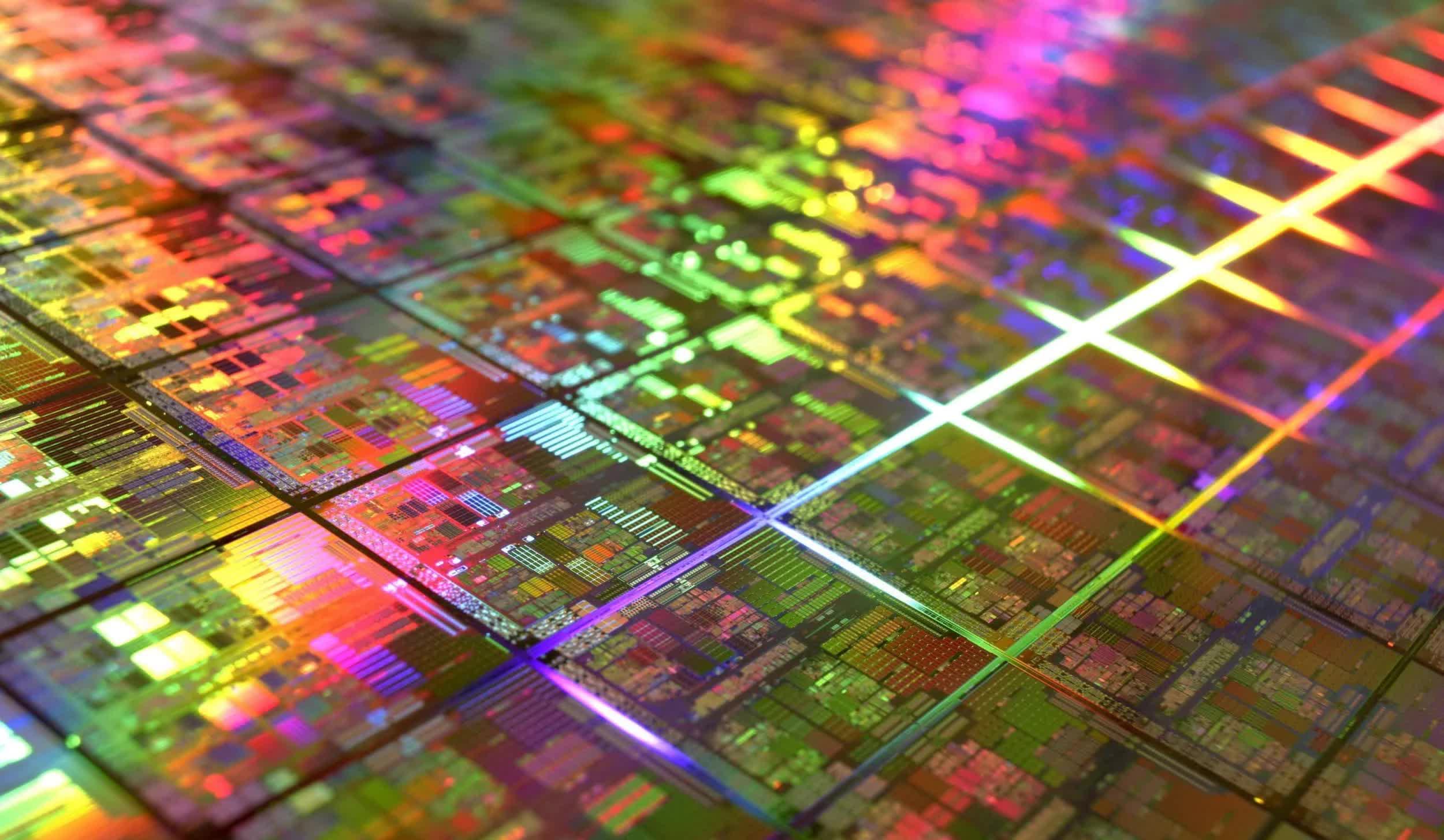
Reuters sources claim that Intel is entering into a secret agreement with RosaicLabs Inc., a company incorporated in Delaware just a couple of months ago. The agreement covers the register-transfer level (RTL) code for Intel's Atom CPUs, although we don't have any specific clues about which generation of Atom chips – or which computing core technology – is involved.

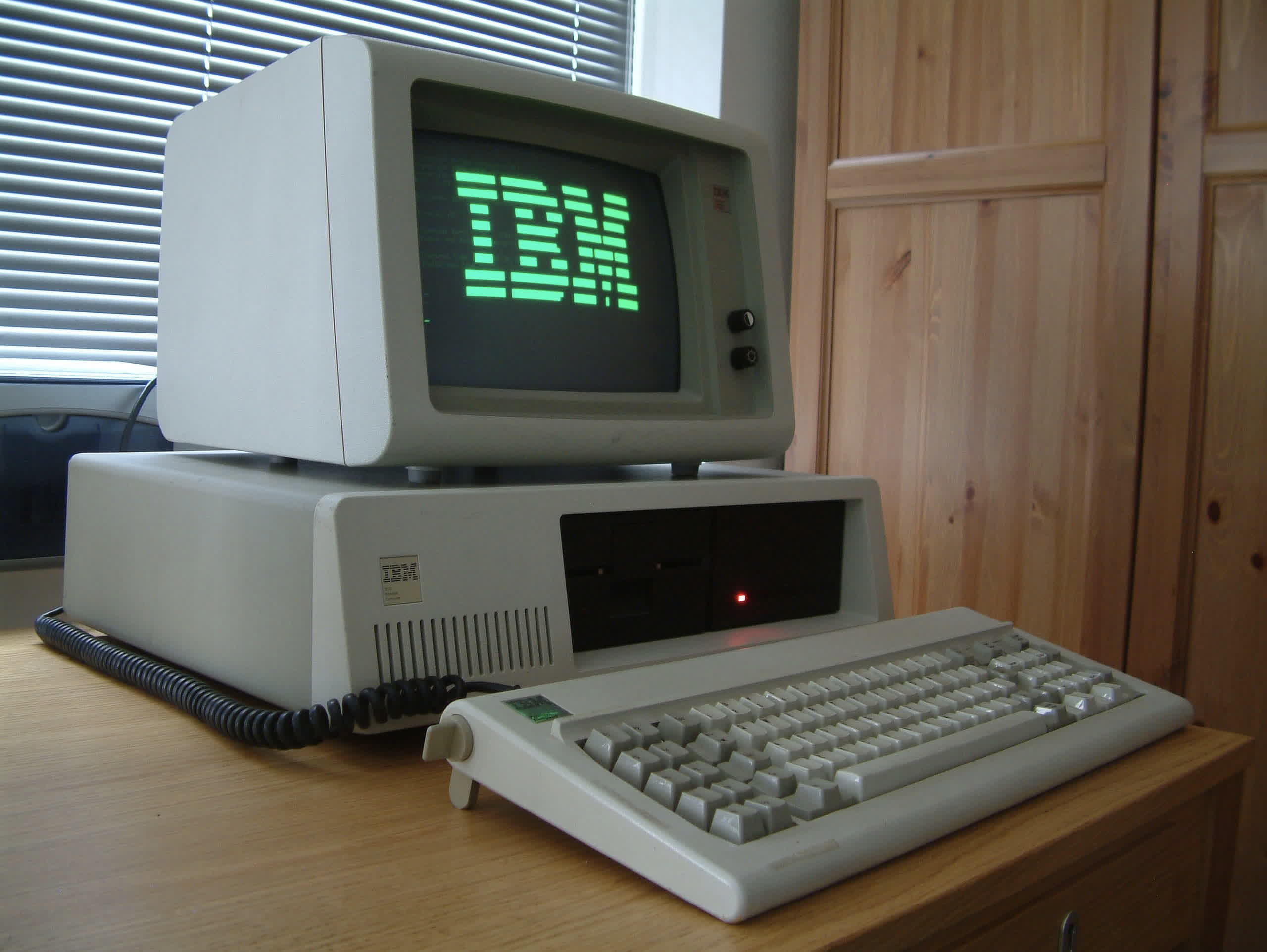
Atom chip technology is based on the x86 ISA, although it is designed to operate within significant power and form-factor constraints. In circuit design, RTL code provides a design abstraction that models data transfers between hardware registers and logical operators. In theory, RosaicLabs could use Intel's RTL IP to develop a brand-new x86 CPU or even design something more complex based on the ISA that has powered most PCs since the IBM PC era.
A few significant hints about RosaicLabs' business prospects come from the people actually involved in the deal. Reuters reports that the company's CEO is Amarjit Gill, a longtime business partner of Intel CEO Lip-Bu Tan. Gill and Tan previously worked at Rivos, a chip company that was later acquired by Meta. Amit Parikh, Rivos' former top financial officer, is also part of the new Rosaic venture.

Besides a long-standing cross-licensing agreement with AMD, Intel is not known for freely sharing official design documents for x86 CPUs with third-party organizations. Incorporation documents filed in Delaware state that RosaicLabs is seeking an initial funding round of $10 million, with executives free to invest up to $5 million without seeking approval from investors or the board.

It's safe to say that one potential outcome for RosaicLabs is adapting Atom's peculiar low-profile "skills" to this brand-new world of chip scarcity and data center overprovisioning. The "lesser" x86 processor could find a new role in edge-computing infrastructure, robotic AI, or other emerging applications. In the worst-case scenario, Lip-Bu Tan's Intel could simply swoop in and acquire whatever RosaicLabs develops a few years down the line. Although, then again, there would be nothing particularly revolutionary about that.

Permalink to story:

 
That is peculiar.

Not many things getting compiled for x86 32 bits nowadays and if nothing has been signed with AMD then afaik that rules out x86-64.
If you don't want to tap into the x86-64 ecosystem then why not go with something else entirely (RISC-V/ARM).
 
That is peculiar.

Not many things getting compiled for x86 32 bits nowadays and if nothing has been signed with AMD then afaik that rules out x86-64.
If you don't want to tap into the x86-64 ecosystem then why not go with something else entirely (RISC-V/ARM).
The earliest x86-64 based instruction sets would be off patent by now. The original Athlon 64 released in 2003, and patents are almost always 20 years. You would be missing SSE4 extensions and anything newer than that.
 
The earliest x86-64 based instruction sets would be off patent by now. The original Athlon 64 released in 2003, and patents are almost always 20 years. You would be missing SSE4 extensions and anything newer than that.
By that logic x86 should have been off patent for 20+ years.

So ask yourself, if intel still controls x86, would that mean AMD still controls AMD64?

The answer is yes, BTW. AMD still controls AMD64, and there is a cross licensing agreement with Intel so both can use x86-64 without paying each other royalties. But this does not apply to any other companies. Sure, you could create a cleanroom design using AMD64's original implementation from way back in 1999, but good luck, since all the modern extensions are still patent protected, and both Intel and AMD hold thousands of copyrights to various core designs and implementations, none of which you can use. Assuming you could, somehow, invest the time and energy to clean sheet a new x86 design that avoids all these potholes, you'd be limited to SSE1. Not particularly useful.

EDIT: the J core team has been trying for years to build an open sourced x86 design. They have an interview explaining how hard it is to work around patents that are still active

 
Last edited:
Sure, you could create a cleanroom design using AMD64's original implementation from way back in 1999, but good luck, since all the modern extensions are still patent protected, and both Intel and AMD hold thousands of copyrights to various core designs and implementations, none of which you can use. Assuming you could, somehow, invest the time and energy to clean sheet a new x86 design that avoids all these potholes, you'd be limited to SSE1. Not particularly useful.
1999 - announcing AMD x86-64
2000 - full specification release
2003 - delivering of CPU using it

Istruction set extensions:
1997 - MMX
1999 - SSE
2000 - SSE2
2004 - SSE3

This is due to expire
2006 - SSSR3

So its not only SSE1, but ... still not enough for Windows users (till end of 2028).
Starting with Windows 11 version 24H2 Microsoft strictly requires processors to support SSE4.2
 
This is straight up corruption and it's difficult to see how it doesn't wind up in an shareholder lawsuit. Intel's CEO is one of Rosaic's coinvestors, and I'd bet money Rosaic is owned either in part or whole by individuals in the current administration.
 
Back