A year after calling out AMD's product launch failures, we're revisiting the same 12 mistakes to see if 2025 AMD has finally learned how to get pricing, performance, and features right.
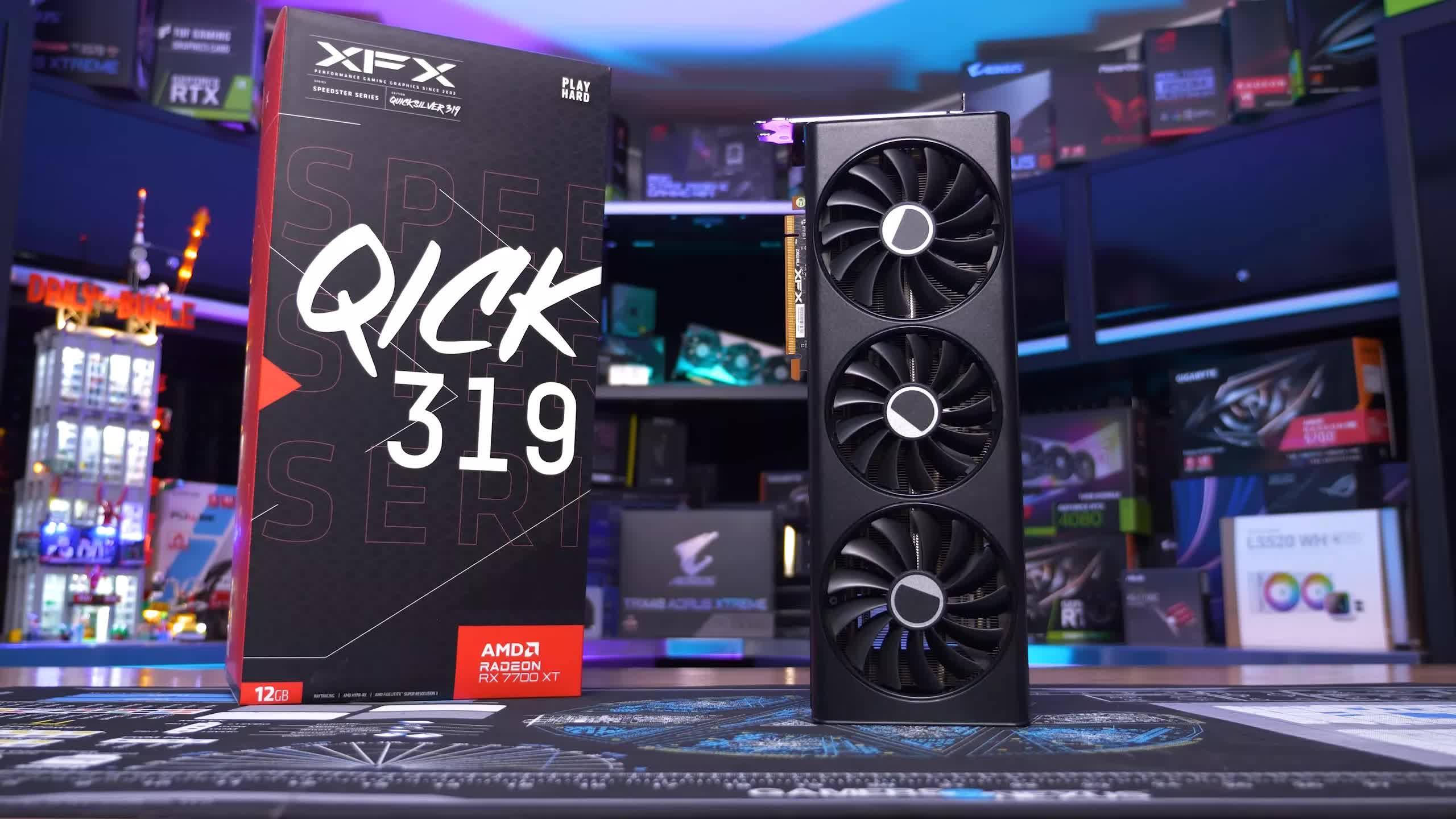
A year after calling out AMD's product launch failures, we're revisiting the same 12 mistakes to see if 2025 AMD has finally learned how to get pricing, performance, and features right.

Short version:Now do Intel and NVIDIA.


AMD didn't manage Intel's slip into irrelevance that was all Intel's work, however, AMD doesn't manufacture their own CPU's they just design them. AMD sold their foundry years ago. Intel still has to manufacture their own CPU's which seems to be more difficult than designing alone.Meanwhile, despite the 'blunders' you enumerate, AMD managed to hector semiconductor behemoth Intel into irrelevance.
They are extremely efficient with their R&D dollars. I can forgive them a bit about their marketing shortcomings.


AMD didn't manage Intel's slip into irrelevance that was all Intel's work, however, AMD doesn't manufacture their own CPU's they just design them. AMD sold their foundry years ago. Intel still has to manufacture their own CPU's which seems to be more difficult than designing alone.
He will never...Now do Intel and Nvidia.
Meanwhile, despite the 'blunders' you enumerate, AMD managed to hector semiconductor behemoth Intel into irrelevance.
They are extremely efficient with their R&D dollars. I can forgive them a bit about their marketing shortcomings.


And what happened when AMD attempted 7nm?AMD pushed Intel onto their backfoot with the launch of the first Zen CPU and has been dealing blows against Intel with each and every launch since then.
That said, Intel's foundry woes are self-inflicted. They tried to bite off far more than they could chew with their 10nm process which delayed it by several years while TSMC and Samsung ran into issues with smaller incremental improvements on their less advanced 10nm process but because they were not trying to advance as far in a single node it delayed them less. While Intel was still stuffing around trying to get their 10nm leap done TSMC and Samsung soldiered on ahead which gave them a fairly significant lead. It is the old "slow and steady wins the race".
The big question is whether Intel can stay viable as a corporation or if they will need government support to stay alive as a essential industry for the USA.
So efficient that high end Instinct and Radeon GPUs are allowed to hang back and Ryzen is allowed to rely on V-cache while vanilla Zen 4 and 5 parts are on par with Intel going back to 12th gen? Outside of V-cache and 13th and 14th gen degradation, Intel is right there with AMD. Basically where AMD has been for years, but it's different when it's Intel in 2nd place? You couldn't care less if they survive? No more government money for an american company that still has their fabs and possibly a couple years away from competing head-to-head? What happened to competition benefitting the consumer? Or is that only when AMD has its head underwater?Meanwhile, despite the 'blunders' you enumerate, AMD managed to hector semiconductor behemoth Intel into irrelevance.
They are extremely efficient with their R&D dollars. I can forgive them a bit about their marketing shortcomings.
They released Zen2, Zen3 and various GPUs using 7nm.And what happened when AMD attempted 7nm?
You just forgot that Intel 13. and 14. "parity" with AMD comes at cost of huge power consumption and reliability issues.So efficient that high end Instinct and Radeon GPUs are allowed to hang back and Ryzen is allowed to rely on V-cache while vanilla Zen 4 and 5 parts are on par with Intel going back to 12th gen? Outside of V-cache and 13th and 14th gen degradation, Intel is right there with AMD. Basically where AMD has been for years, but it's different when it's Intel in 2nd place? You couldn't care less if they survive? No more government money for an american company that still has their fabs and possibly a couple years away from competing head-to-head? What happened to competition benefitting the consumer? Or is that only when AMD has its head underwater?
Intel struggled with 10nm and eventually produced chips using Intel 4 and 3 after that.
What happened to AMD's fabs when they hit 7nm, hmm?

You finally got my point at the end.AMD has no 7nm fabs.

Yes, they say history repeats itself. I hope it doesn't and AMD defy the odds, but TBH, long term, I think I agree with you.The Intel AMD wars between tech community rages on as ever. Ive been in this industry for 25 years now and I can honestly say that AMD are doing better than I can ever remember. Even better than the Athlon64 days if you ask me.
But alas I fear it wont last long. Intel are a sleeping giant with way more resources. I presume its only a matter of time before they get their **** together.
To those of you emotionally attached to AMD, and I refer to mr HardReset here. Make the most of this whilst you can!