What just happened? The stable Linux kernel 7.0 was officially released over the weekend, marking the first major version bump since version 6.0 launched in October 2022. The new release introduces several significant updates, including expanded hardware support, self-healing capabilities for the XFS file system, networking improvements, enhanced documentation for AI coding assistants, and strengthened security features.
One of the most notable features in Linux 7.0 is official support for Rust, after developers agreed to incorporate it as a core language alongside C at the 2025 Linux Maintainer Summit in Tokyo. The Rust for Linux project began in 2020 as part of the so-called "Rust Experiment," and many components written in the language – such as the Android Binder driver – are already an integral part of the code running on millions of devices.
Linux 7.0 also adds support for a wide range of new and upcoming hardware from several vendors. This includes Intel NTB driver support for Diamond Rapids, various improvements for Panther Lake and Crescent Island platforms, LPSS driver support for Nova Lake S, Zicfiss and Zicfilp extension support on RISC-V, and 128-bit atomic cmpxchg support on Loongson processors. The latest kernel also improves ARM64 support and adds CXL support for AMD Zen 5, along with KVM virtual machine support for AMD Epyc 5.
Another notable addition is an autonomous self-healing capability for XFS file systems, designed to automatically detect and repair corruption on XFS volumes while they remain online. The feature uses a new daemon that relies on parent pointer metadata and reverse mapping to identify kernel-reported errors and trigger repairs automatically. These fixes are applied while the file system is mounted and in use, helping to prevent downtime.
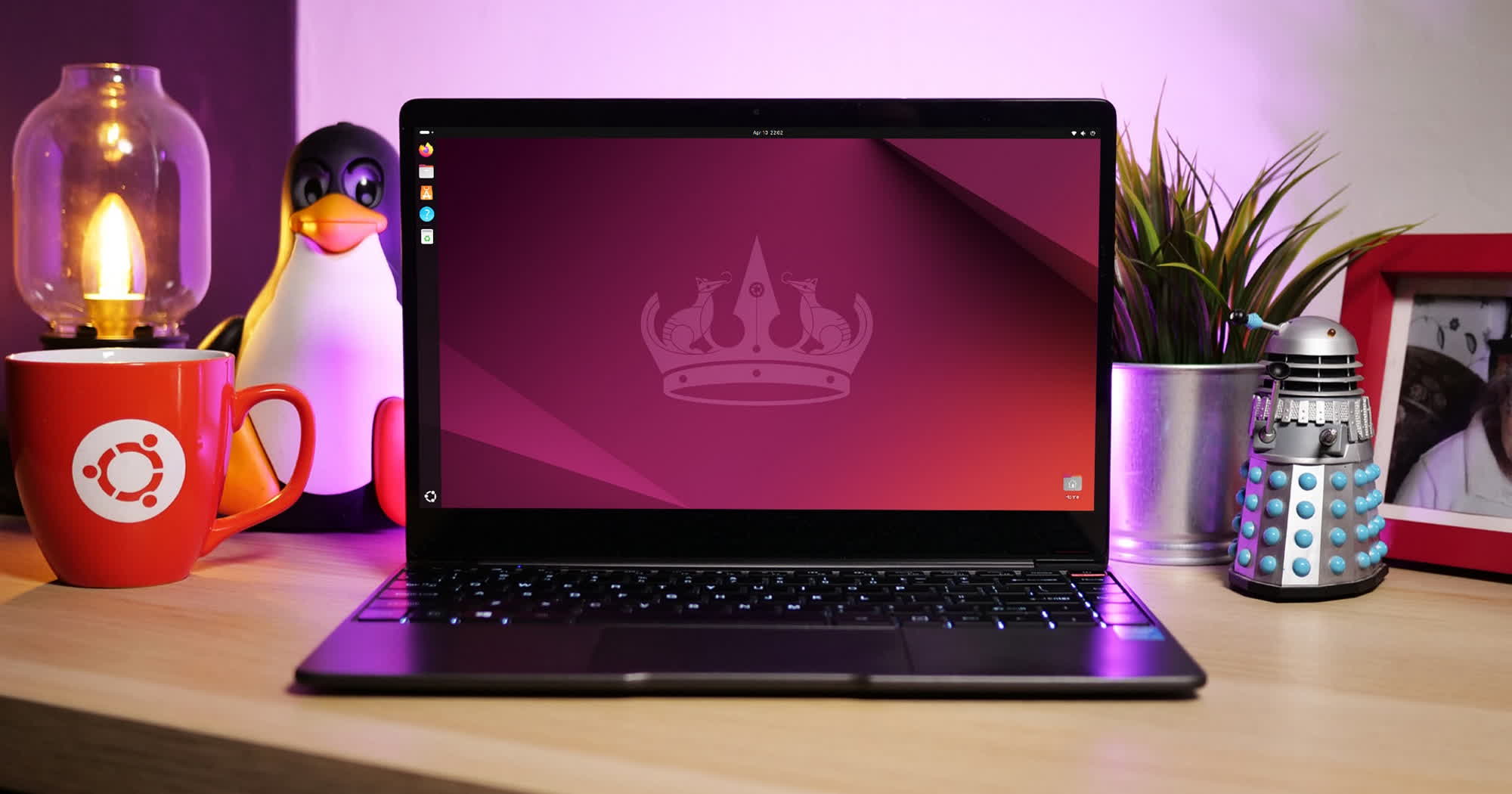
Linux 7.0 is the default kernel for Ubuntu 26.04 LTS "Resolute Raccoon" and Fedora Linux 44, both of which are expected to be released later this month with several new features and improvements, including GNOME 50. Ubuntu also includes improved Wayland performance and broader adoption of Rust-based utilities, while Fedora brings better hardware support and enhanced gaming performance through automatic NTsync and Ruby 4.0.
Linux 7.0 is now officially available for download, but end users should generally avoid installing it manually to reduce the risk of critical errors that could render a system unusable. Major distributions and Linux-based platforms such as Android and SteamOS will adopt the new kernel over time, bringing its features, bug fixes, and security enhancements to desktops, laptops, smartphones, gaming consoles, and IoT devices.
Linux 7.0 released with self-healing XFS and expanded support for AMD, Intel, and ARM64 hardware


