Patches Matter: The recent string of systemic outages turning the technology world upside down? It's going to get worse, Microsoft's president warns. AI-assisted coding is uncovering software bugs at an accelerated pace, meaning vendors need to act quickly – even if doing so risks breaking things. This is especially true as bad actors can exploit those same AI tools to wreak havoc on an even wider scale.
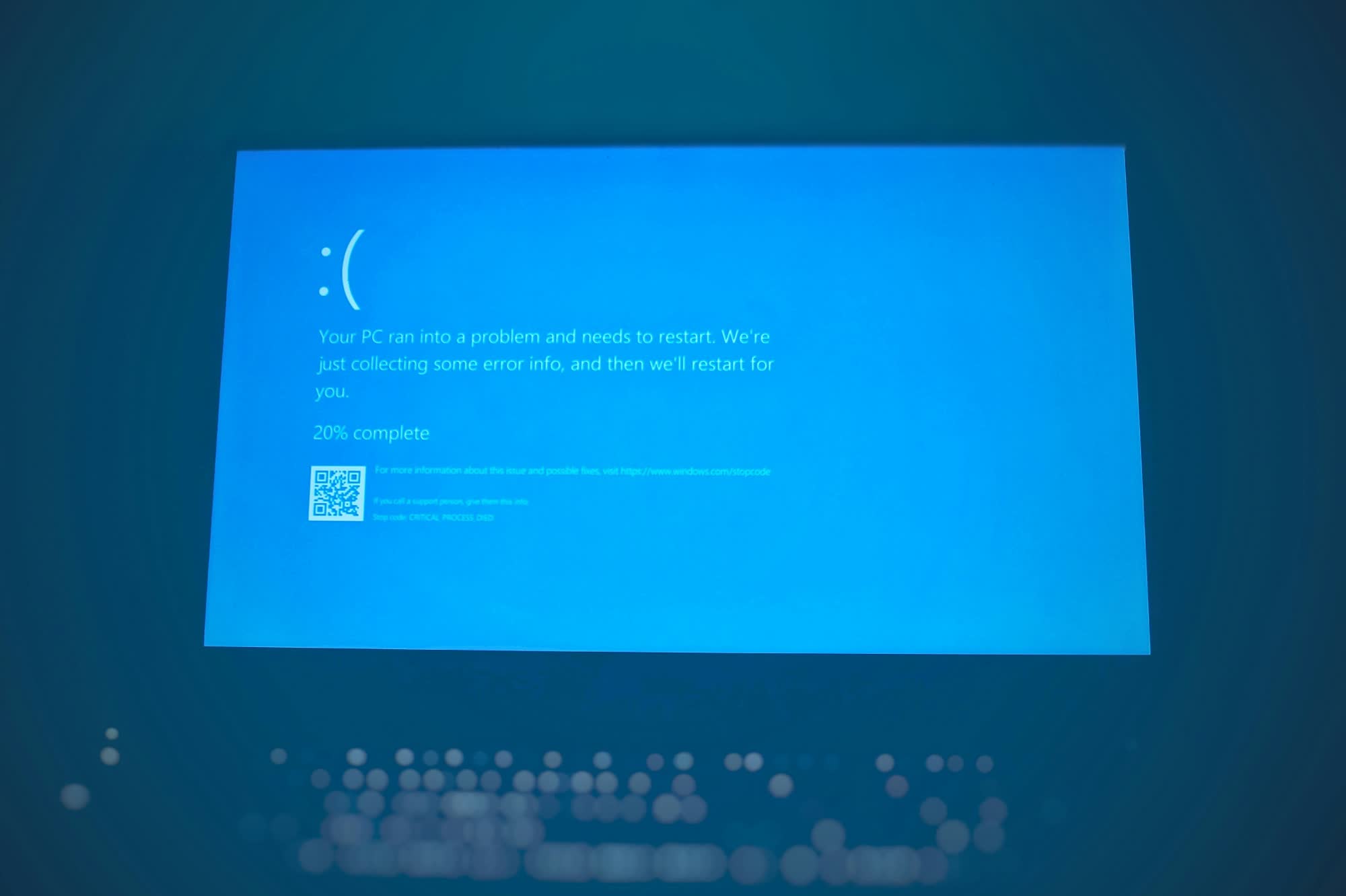
Microsoft President Brad Smith recently confirmed what some people in the industry had already realized months or even years ago: the ongoing wave of outages, crashes, and technology-related disruptions is unlikely to stop or be permanently "solved" anytime soon. In fact, Smith expects these problems to multiply as software vendors scramble to fix as many bugs as possible.
During a recent interview with CBS News' Face the Nation, Smith highlighted how the global IT infrastructure is now undergoing widespread upgrades and repairs in real time. People should prepare for what lies ahead over the next few months and likely years, as this massive undertaking is not going to be completed in just a few weeks.
Smith said AI is at the forefront of this rapidly evolving technological landscape. Modern large language models are particularly effective at identifying security vulnerabilities in massive codebases. This capability can be used either to patch newly discovered flaws or to "hack into" more systems at a faster rate than ever before.
This double-edged nature of AI models is forcing developers to accelerate their software patching efforts, which, in turn, can lead to major reliability issues. Smith said legacy systems are particularly vulnerable to this systemic risk because patching newly discovered flaws can inadvertently bring down something important – and old.
"When you have to go so fast that you can't take as much time to test what you're changing in the code, you do increase the risk of something going wrong," Smith said.
Microsoft is now releasing hundreds of bug fixes for its software products every month, and other major software vendors are not far behind. However, Smith confirmed that the recent outage affecting the Microsoft 365 platform was neither AI-related nor the result of a cyberattack carried out by an unknown malicious actor.
Either way, Smith believes users should prepare for the incoming "AI ripple effect." They should expect service disruptions as the global IT community works to address the vulnerabilities uncovered by AI. He also urged users to install every security update released for their computers and personal devices, as these updates will ultimately make everyday technology safer.
Microsoft president Brad Smith warns tech outages are going to be the new normal for a while


