Hardware Slop: MSI is adding its own chapter to the ongoing story of memory chip shortages and the growing concentration of power in the AI industry. Big tech companies and AI startups are buying up chips straight off the production lines years in advance, leaving end customers with the leftovers – which are also expected to become significantly more expensive in the near future.
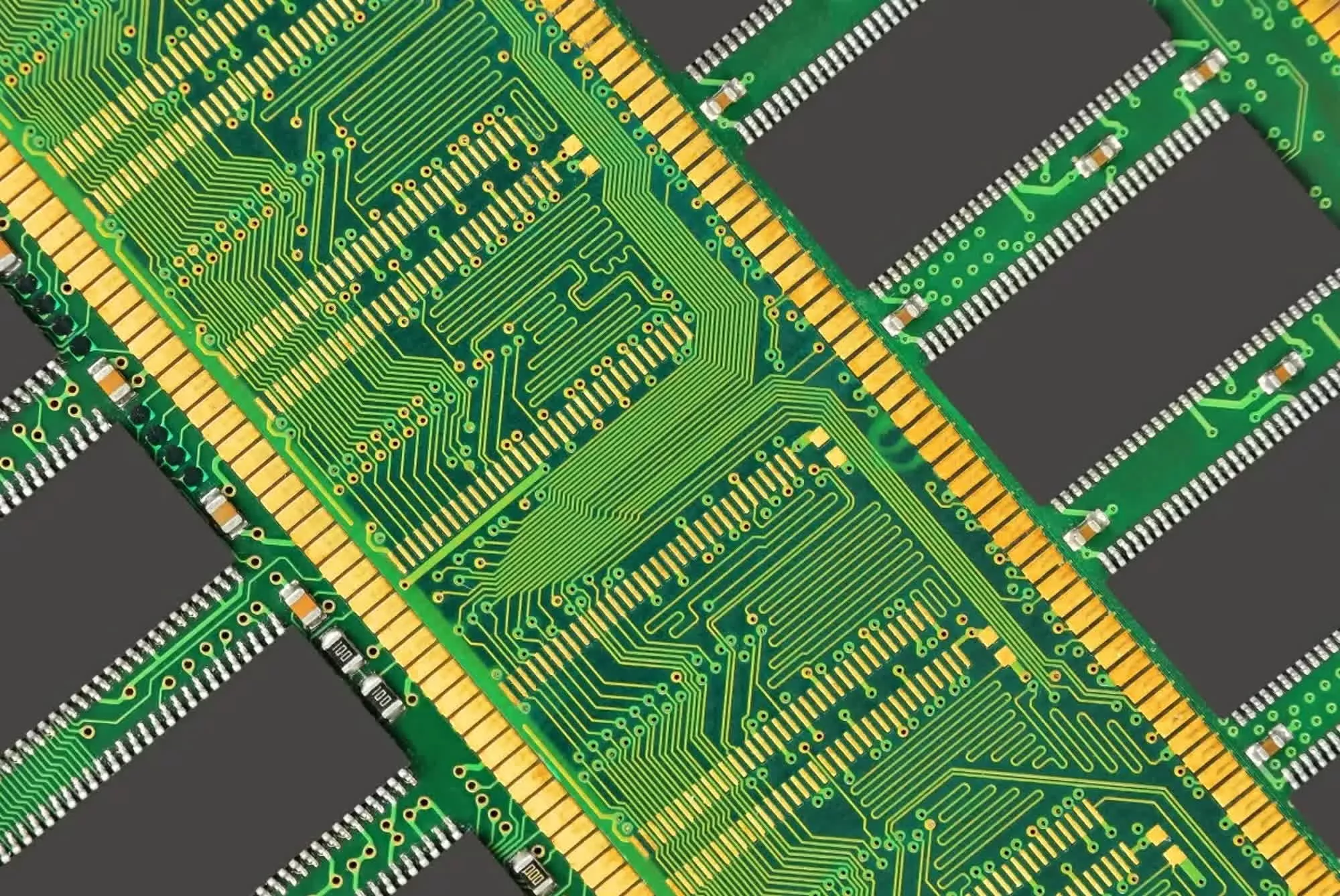
MSI plans to increase the price of its PC products by 15 - 30%, company general manager Huang Jinqing recently said. Speaking with investors, Jinqing confirmed that the entire hardware industry is facing unprecedented market conditions. Memory manufacturers have almost entirely shifted their priorities, allocating the majority of their production to Big Tech and other corporations investing heavily in AI data centers.
Jinqing added that 2026 is shaping up to be the most challenging year in MSI's 40-year history, which began in 1986 in New Taipei City's Zhonghe District. The Taiwanese corporation offers a wide range of hardware products and services, including GPUs, motherboards, desktop and laptop systems, and servers. MSI is also active in the automotive infotainment market.
Today's PC industry is facing several challenges, Jinqing said, but the memory chip shortage is now the most urgent issue. DRAM, SSD, and other traditional memory-based products are going through a series of price hikes, with OEM players such as HP lamenting the exploding costs for building new consumer systems.
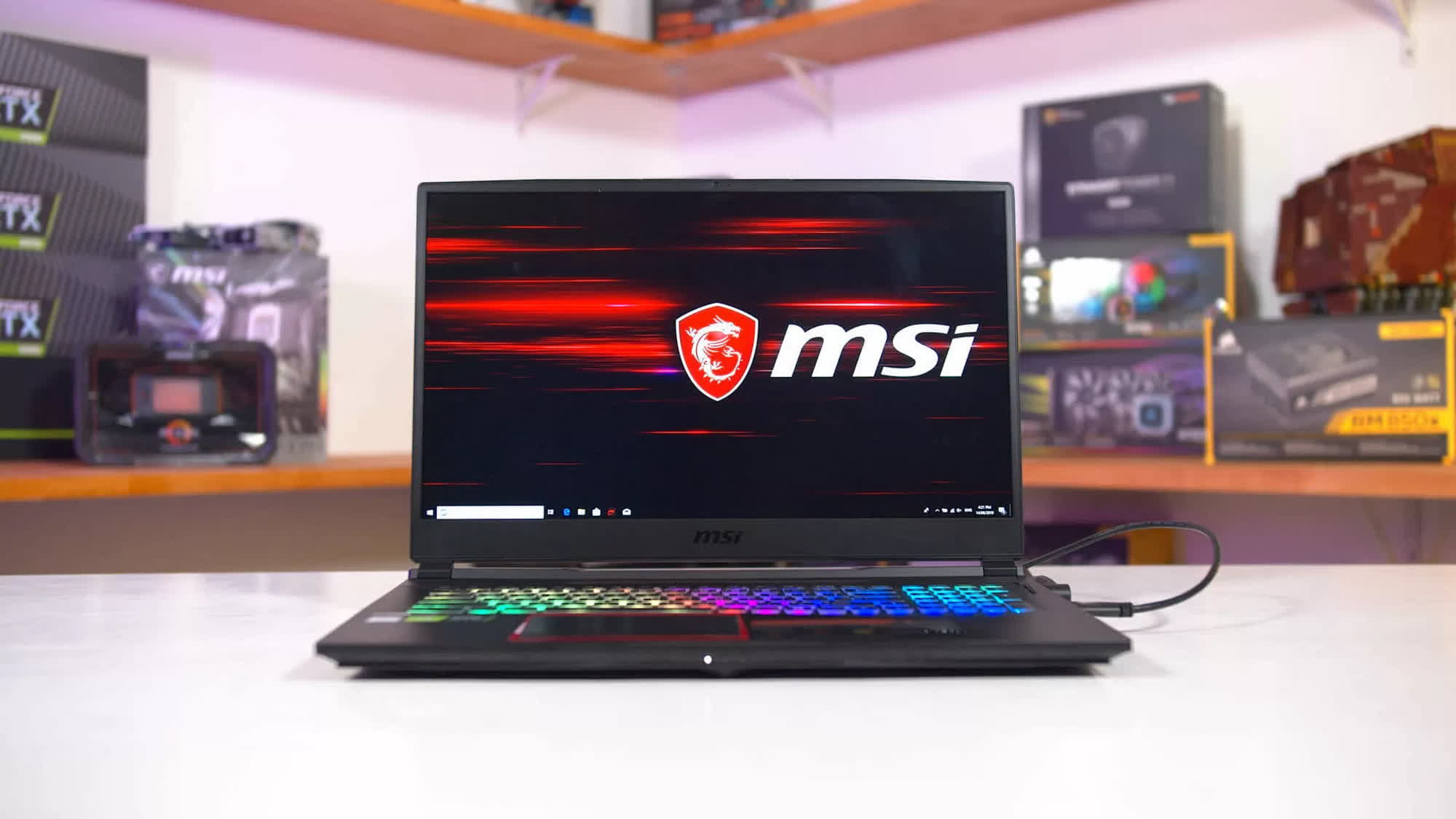
Even worse, memory manufacturers with foundry capabilities are now seeking changes to their partnership models. Taiwanese companies like MSI have traditionally worked with memory foundries through long-term commitments, a model that no longer seems to work. Adding to the challenge, Nvidia is now producing GPUs primarily for AI data centers, leaving gaming GPU builders like MSI facing roughly a 20% supply shortfall.
MSI is attempting to stay afloat – and potentially thrive – in an AI-focused technology market by pursuing three main strategies. First, the company plans to concentrate on high-end products, cutting its low-end business by about 30%. Second, MSI is negotiating three- to five-year agreements with memory makers while "upgrading" its motherboard models to support both DDR5 and DDR4 memory modules.
Finally, the Taiwanese OEM is doubling down on its server business, targeting 50 - 100% annual revenue growth. MSI hopes to offset shrinking consumer output by selling more servers and AI-related products. Early results, however, have been mixed. The company recently launched its EZ PC Builder AI chatbot, a generative assistant designed to help users build custom PCs, but it received poor reception for several understandable reasons.


