Winners & losers: New York will soon bar automakers and dealers from charging subscription fees to enable features when the hardware is already in the car and costs nothing to keep running. Governor Kathy Hochul signed the measure on Monday, and it takes effect next February. The law separates physical components from services that rely on software and data networks, and that line will decide which in-car charges survive.
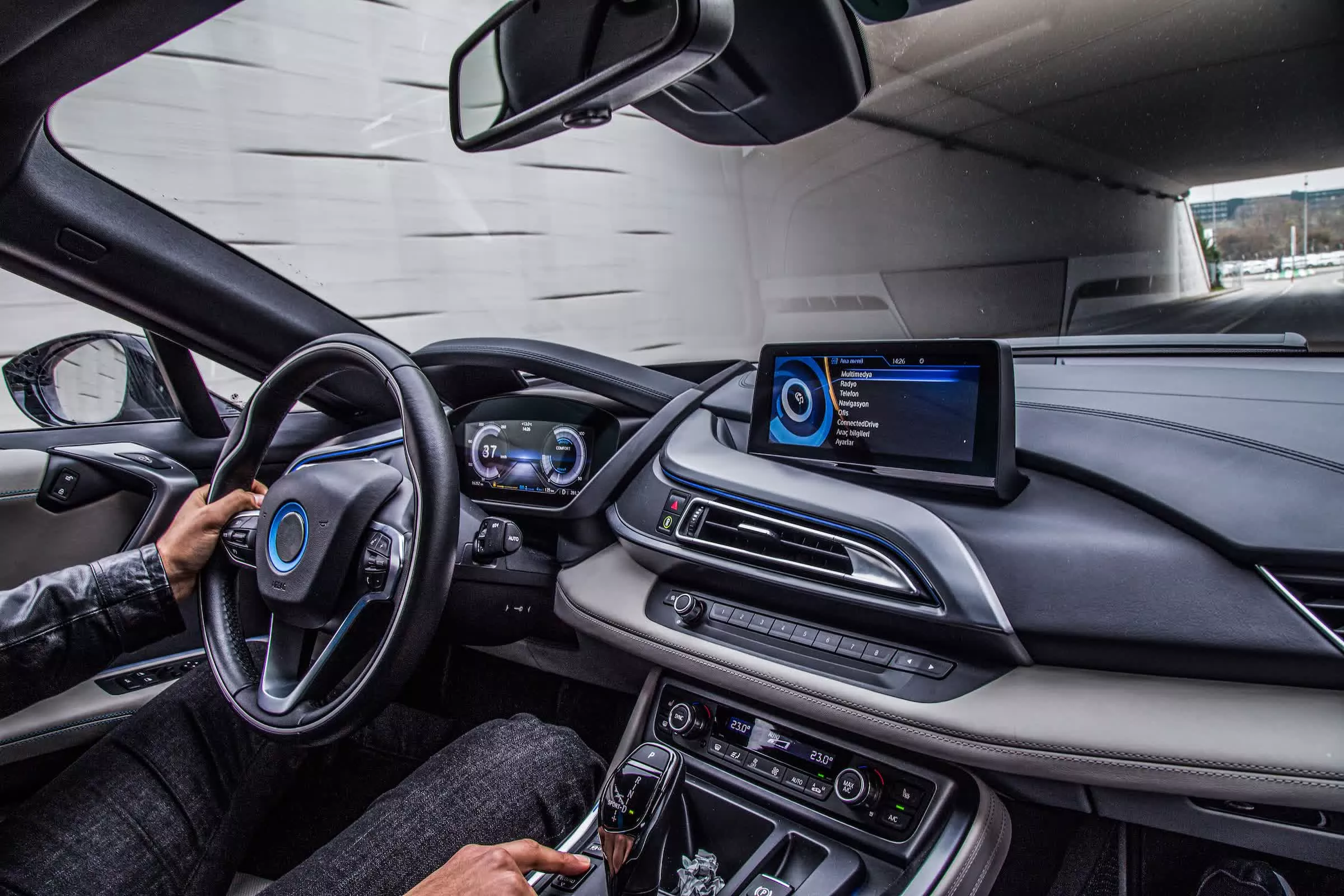
The legislation bans subscription offers for any feature that meets two tests. First, the feature has to run on equipment that was in the vehicle when it was bought or leased. Second, once activated, it must work without ongoing cost or support from the manufacturer or any third party.
The law defines a "motor vehicle feature" broadly as any convenience or safety function. It covers both buyers and lessees, and it says monthly loan and lease payments don't count as subscriptions.
The law targets a model in which the parts are installed at the factory but stay switched off in software until the owner pays. A heated seat is the clearest example. The heating elements, wiring, and controls are already in place, and running them costs the automaker nothing after the sale.
In a memo, the bill's sponsors warned that recurring charges like this are spreading. They listed heated seats, entertainment options, enhanced navigation and hands-free driving as examples, and said they wanted to stop the practice before it became standard across the industry.
The exemptions show where lawmakers drew the line. The ban doesn't cover navigation updates, infotainment, satellite radio, in-vehicle Wi-Fi, telematics, roadside assistance, or "vehicle-connected services" that depend on cellular or other data networks. These services have real ongoing costs, such as network access, content licensing or backend infrastructure. The law also exempts driver assistance and driver automation features that depend on software.
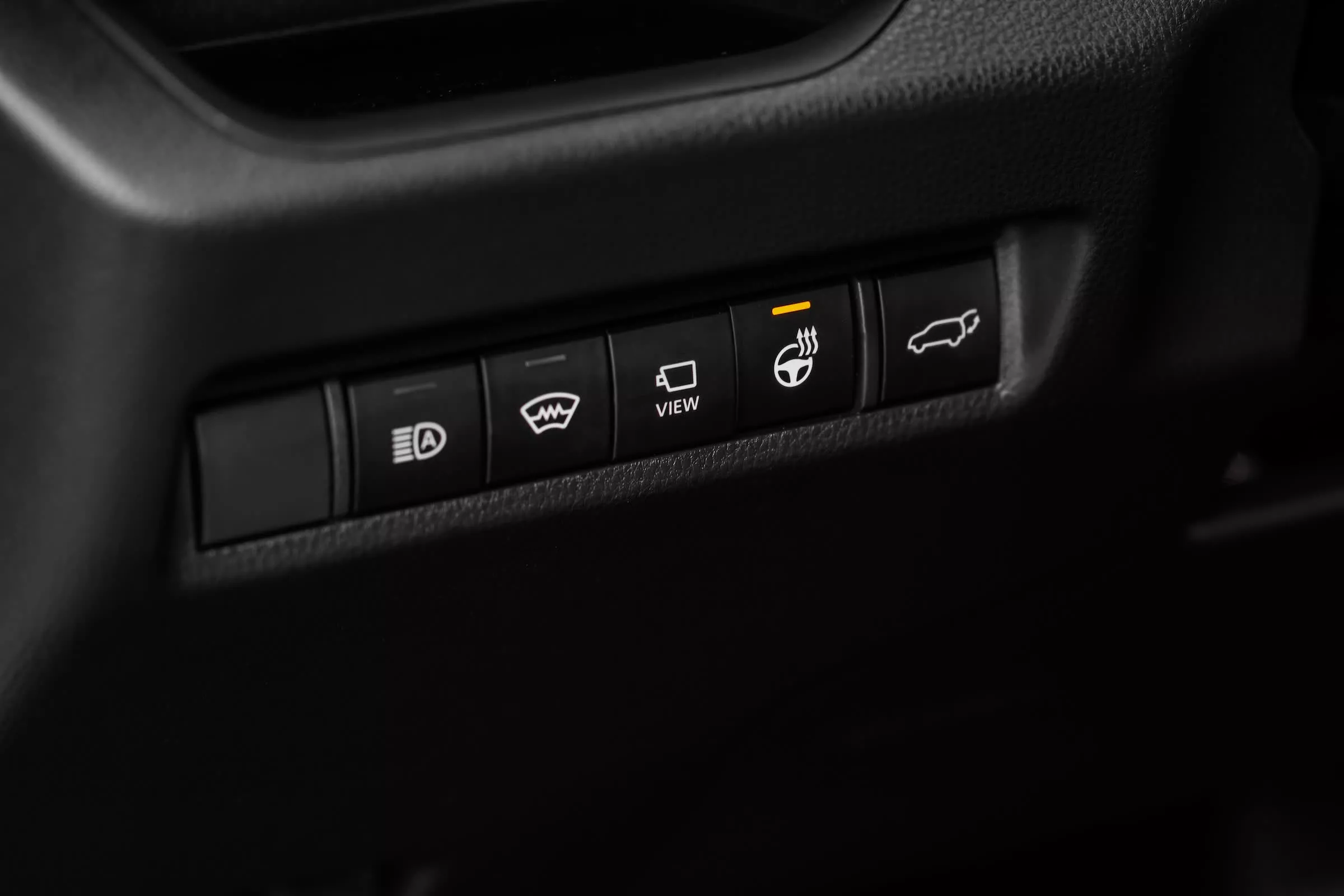
That last exemption creates a conflict within the bill's own framing. Hands-free driving appears among the sponsors' examples of the problem, yet the rule excludes software-dependent automation. The result is that features defined mainly by their hardware face the tightest limits, while automakers will have room to argue that a given feature counts as connected or software-based.
The law does include one software protection. Automakers can still send updates to vehicles, but they can't charge for an update that fixes a safety defect they must remedy for free under federal rules.
Violations carry a civil penalty of up to $250 per point of sale for each violation. The bill doesn't define "point of sale" or explain how violations are counted. The Department of State will define those details when it writes enforcement rules, so the penalty's real effect remains unknown.
The bill passed the Senate 57-3 and had support from Attorney General Letitia James and its sponsors, Sen. James Skoufis and Assemblymember William Magnarelli. Hochul called pay-to-unlock pricing a "deceptive business model." This is New York's second attempt. A similar bill passed the legislature in 2025 but was vetoed.
The bill text settles the simplest cases, like a seat heater or another feature that needs no data connection or ongoing support. Harder questions remain about where hardware ends and software begins as more vehicle functions run on shared sensors and central computers.
New York is ending car features locked behind subscriptions, with a few big exceptions


