Tech-packed cars are driving up repair bills and insurance costs, wasting $12 billion a year

midian182

Posts: 12,084   +184
Staff member
Winners & losers: The more technology that gets packed into something, the more things can go wrong. That old adage is especially true with vehicles. According to a new investigation, the time US mechanics lose trying to access and use automakers' repair software is worth an estimated $12 billion a year. Drivers can feel it in their wallets, too, as higher repair bills can push up insurance premiums.

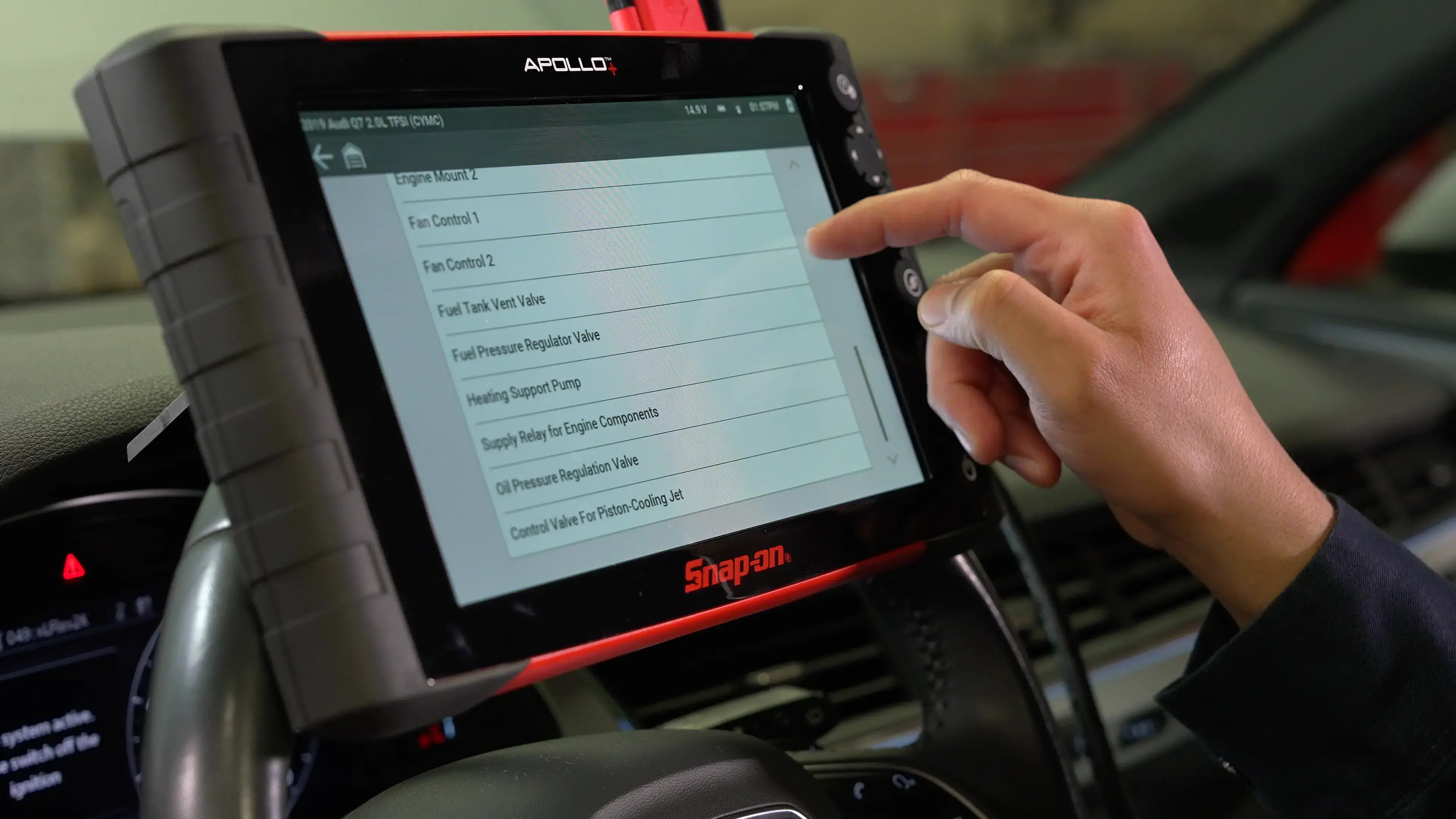
The report, titled Closing Shop, highlights the reality of repairs on today's heavily computerized vehicles. Its authors, from the US PIRG Education Fund, iFixit, and FULU, note that finding a failed sensor, releasing an electronic parking brake, or getting a car to recognize a replacement part can require plugging a laptop or tablet into the vehicle.

This modern problem illustrates the irony of the service light on a dash showing a hand tool. As the authors put it, "it should be a laptop." On some jobs, the mechanic has to pay the manufacturer for software access before the wrench work can start.
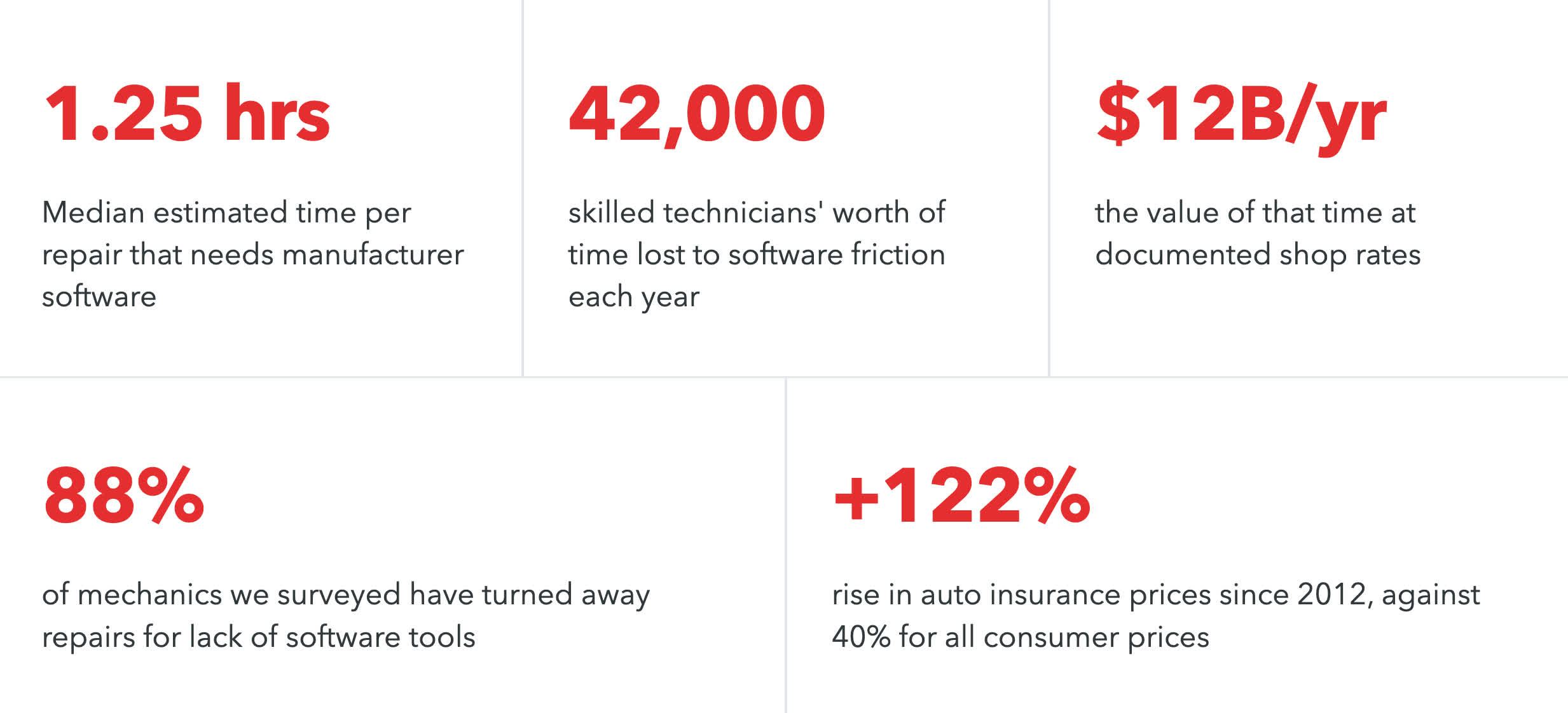
As for where that $12 billion figure comes from, the researchers estimate that about one in five repairs at independent shops requires manufacturer software. On those jobs, the median estimate from mechanics was 75 minutes spent buying access, downloading software, logging in, and waiting.

Across the US, that works out to 83 million hours a year, roughly the annual workload of 42,000 full-time technicians. The authors valued those hours at a typical shop rate of $140. The subscription fees themselves are a separate expense.

Buying the software doesn't always get you very far, either. One Ford Ranger Raptor owner cited in the report replaced a faulty anti-lock brake module, bought Ford's diagnostic software, and picked up a new adapter. Then the software asked for professional security credentials to reset the anti-theft system. With the replacement part already fitted, the owner said the truck would either refuse to start or cut out when shifted into drive.
There's also the question of how many subscriptions independent shops can justify. A Nissan dealer can spread the cost of one brand's software across the cars coming through its doors, but a neighborhood mechanic might see five different makes before lunch.

Of the mechanics surveyed, 88% had turned away at least one repair in the past year because they couldn't get or afford the software. For more than a million Americans who live over 100 miles from the nearest Nissan dealer, that could mean quite a tow.

That trip to the dealership can mean a bigger repair bill, too. A 2020 study cited in the report found that Massachusetts dealerships charged 36% more than independent shops for the same work. So if your usual mechanic has to turn you away because they can't access the software your car needs, you could end up paying more for exactly the same fix.
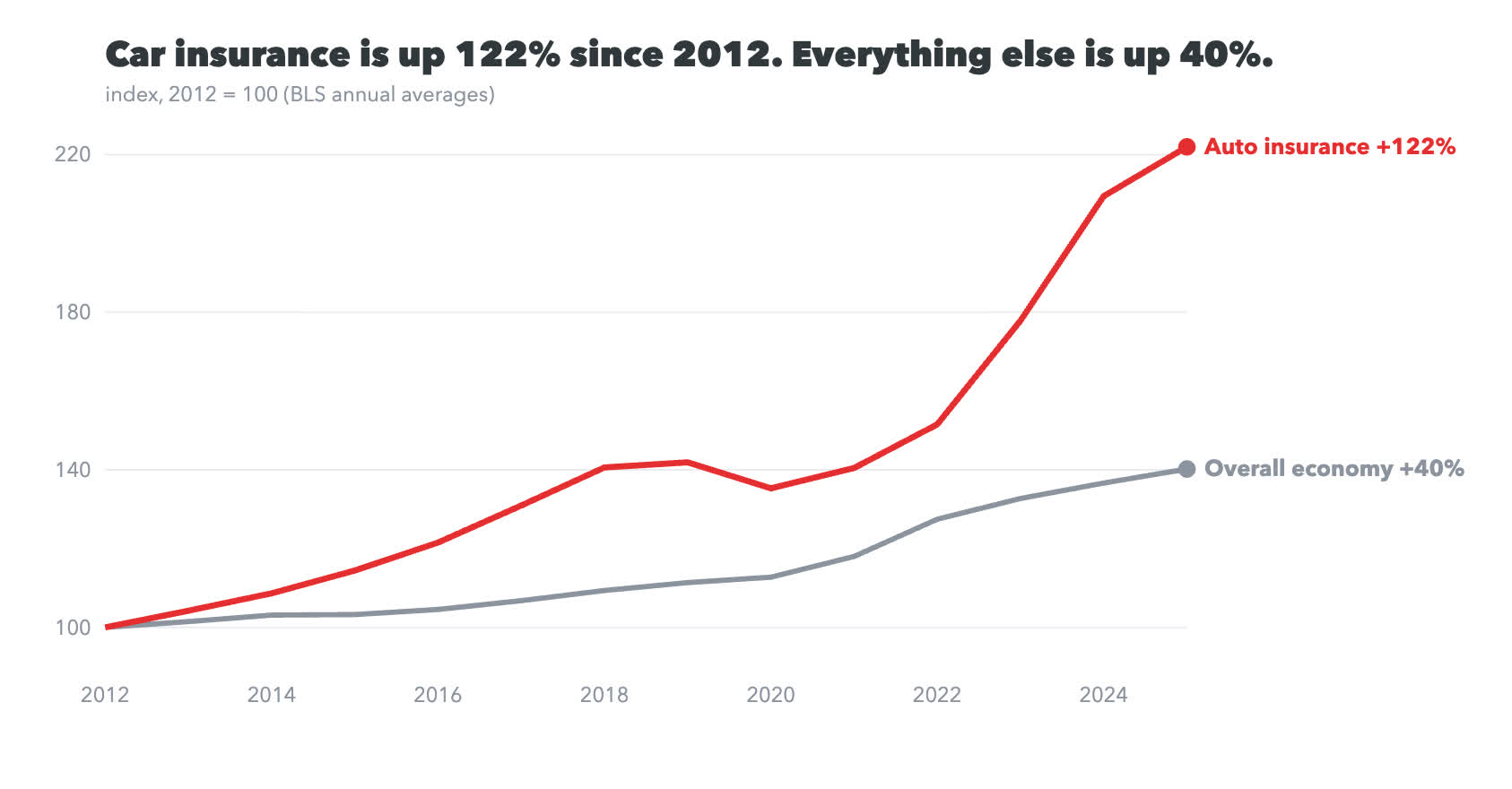
Even drivers whose cars never see the inside of a repair shop can feel it when their insurance comes up for renewal. When a car costs more to fix after a crash, the insurer faces a bigger claim, and those costs can feed into premiums for everyone. The report points to federal figures showing that US auto insurance prices rose 122% since 2012, compared with a 40% rise in consumer prices overall.

Carmakers have backed down over unpopular tech before. BMW dropped its heated-seat subscription after owners objected to paying extra to use hardware already in their cars, while Volkswagen pledged to bring back physical controls for essentials such as volume and heating. The report's authors want lawmakers to go further by making basic diagnostic software and service information free and capping what manufacturers can charge for their other repair tools.

Permalink to story:

 
I like driving my 2016 CX-5. I can do any basic stuff myself (wheel rotation, oil, brakes and so on) and it doesn't have too many extra, unnecessary crap sensors on it. A couple years ago while my car was still under warranty the ball joints were replaced at the dealership. While they had my car they gave me a loner, it was a brand new 2023 CX-9. I absolutely hated all the sensors and bullshit they had in that thing. The dashboard and hologram on the windshield light up like a fùcking Christmas tree, so many stupid lights popping up in front of my face, what a distraction. It actually gave me a headache driving that car....I hated it.

Not to mention the anti lane drift and constant beeping of everything. Just disgusting. Most of these are things that people don't need, but are now stuck paying out the nose because car companies love them. Jack up the price on the cars for things people don't want.

Was talking to my neighbor who just got a new 2026 Subaru SUV of some sort, 2 weeks after getting the car they got a rock on the windshield and sent a spiderweb crack across it. They couldn't have the glass repair company they used for their older cars come out and fix it, they had to have the dealership get a replacement because of all the sensors tied to the windshield these days.

Feels like it's just a big racket.
 
A bumper repair or even replace used to be a smaller cost, but these days with all the ADAS sensor nonsense, you have to replace the sensors *and* recalibrate them, which is stupidly expensive and means a simple front end impact costs a ton, never mind the fact that if its an EV, that is also more expensive to repair as well
 
The tech is not the problem. No moreso then fuel injection or airbags. The problem is that the tech is locked down and proprietary. There's no reason these radios and sensors shouldn't have some standardization and be swappable like parts in a PC.

The cloud connected repair system subscriptions and annoying designs are why prices are climbing.
Time to go back to the basics. You only need a good motor and 4 wheels. All the tech inside a car is mostly useless. Only there to pad the price for unwanted things you can go without easily.
Nobody buys them. Just like nobody buys single cab trucks or station wagons. Basic cars like the mirage, the versa, and the fiesta died because nobody wanted them.
 
Buy a classic car.

It appreciates rather than depreciates.
It doesn't beep and bleep at you all the time.
It's easy to repair and little local mechanics love to work on it.
It doesn't phone Elon every time you get it.
It's cool - modern cars are mostly awful soulless coffins.

But...
It's not great for MPG
It might need constant maintenance, rust repairs etc
It might kill you in an accident.
Even though on paper it looks like your car will be an absolute weapon you get left for dead at the lights by all those really nasty SUV's and trucks every mindless lemming is driving now.

I go for old cars every time but you have to accept the downsides.
 
The tech is not the problem. No moreso then fuel injection or airbags. The problem is that the tech is locked down and proprietary. There's no reason these radios and sensors shouldn't have some standardization and be swappable like parts in a PC.

The cloud connected repair system subscriptions and annoying designs are why prices are climbing.
The tech is the issue, expecting radios and sensors to be standardized is too big of an ask from these companies since it took years of fighting to get John Deere for example to be more open to repairs, not even fully repairable by the farmer owning the machine.
Nobody buys them. Just like nobody buys single cab trucks or station wagons. Basic cars like the mirage, the versa, and the fiesta died because nobody wanted them.
Nobody buys them because they aren't aware basic cars aren't an option, dealers push for the latest ipad glued to the dash. And many people don't buy basic cars because they want a car full of sensors so they can pay more attention to their phone or touch screen while driving a 3 ton SUV.
 
Buy a classic car.

It appreciates rather than depreciates.
It doesn't beep and bleep at you all the time.
It's easy to repair and little local mechanics love to work on it.
It doesn't phone Elon every time you get it.
It's cool - modern cars are mostly awful soulless coffins.

But...
It's not great for MPG
It might need constant maintenance, rust repairs etc
It might kill you in an accident.
Even though on paper it looks like your car will be an absolute weapon you get left for dead at the lights by all those really nasty SUV's and trucks every mindless lemming is driving now.

I go for old cars every time but you have to accept the downsides.
Tech in cars peaked in the 90's to the early 2000's, there are plenty of safer slightly older cars that allows you to do your own repairs while not needing a dealer only scan tool and an EE degree to figure out what sensor broke not allowing you to shift out of park.
 
Back