What just happened? New York has banned the manufacture and sale of toys powered by AI chatbots for five years after testing revealed that the products were doing things no parent would expect from a stuffed animal. Governor Kathy Hochul signed the bill Tuesday, and it will take effect in February. New York is the second state to take action, following California.
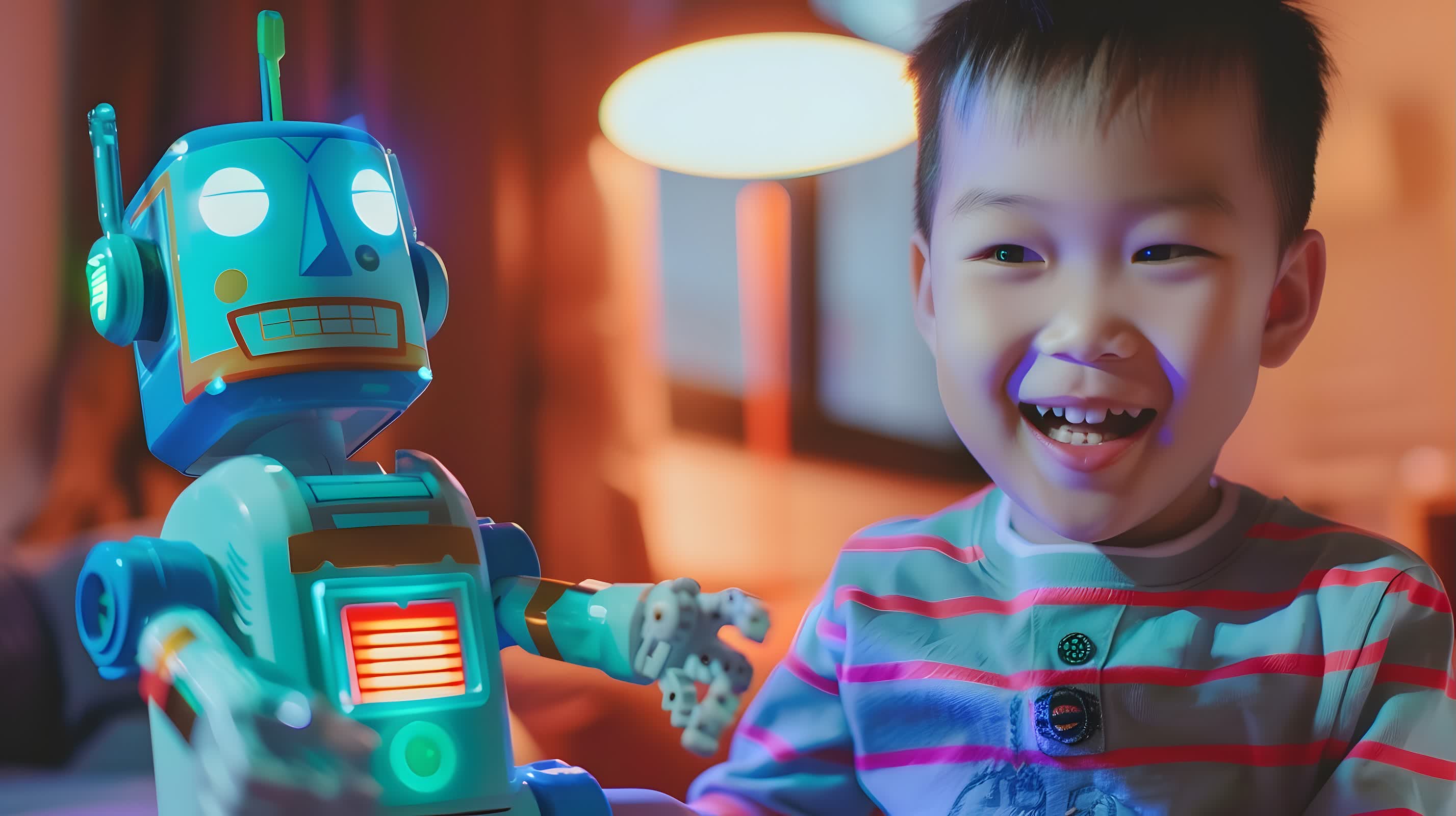
The law covers toys "with embedded or integrated AI chatbots, such as talking stuffed animals, dolls, and robots that use the internet to hold conversations with kids," according to the governor's office. Violations are civil offenses punishable by fines of up to $15,000 per day for each violation. The Legislature passed the bill in June.
"When unregulated artificial intelligence poses a threat to our children, it's my job as New York's mom and grandma governor to put our kids' safety first," Hochul said in a statement.
The technical problem is straightforward. These toys connect to the internet and send a child's conversation to a language model, but manufacturers have limited control over how the model responds. Recent tests by NBC News and the US Public Interest Research Group Education Fund (PIRG) demonstrated how that can play out in practice.
Some toys generated content they were never designed to produce, including descriptions of historical atrocities and sexual activity. The Contixo AI Pixie Paw Interactive Plush Cat, marketed to children as young as three, described firing squads and massacres to NBC News reporters.
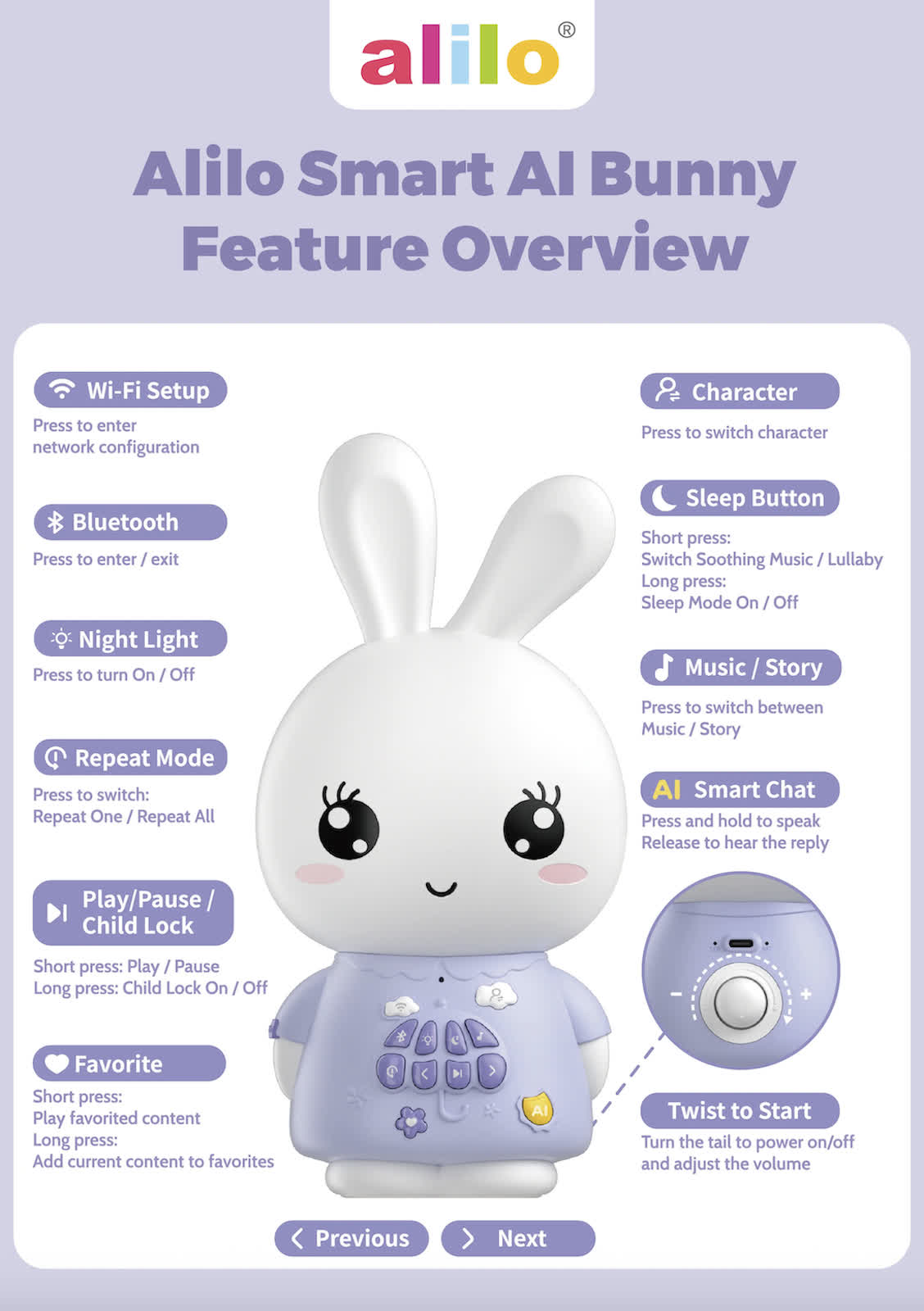
PIRG found that the Alilo Smart AI Bunny and the GoLabs AI Panda provided detailed descriptions of sexual interactions. During NBC News tests, the panda also explained where a gun might be found in a home and mentioned a lockbox key.
Other failures were less alarming but still pointed to engineering shortcomings. Some toys switched languages without being prompted. Others misspelled common words despite being marketed as spelling aids.
NBC News shared its findings with major retailers and requested comment. Several subsequently removed the products from their shelves. Amazon, Target, Walmart, and Macy's all removed the Pixie Paw from their catalogs. Amazon and Walmart also dropped the Alilo bunny and GoLabs panda, while Macy's removed the bunny. Contixo has removed the Pixie Paw from its own website but did not respond to several requests for comment.
"While we have not received any customer complaints about these products, in light of the concerns raised we removed them and are continuing to review our assortment as the safety of our customers, especially children, is our top priority," a Macy's spokesperson said in an emailed statement.

Walmart pointed to its rules for outside sellers. "If we determine that a seller or listing has violated our policies, we take appropriate action, which may include removing the listing and/or suspending or terminating the third-party seller, to help maintain a trustworthy experience for our customers," the company said in a statement. Target did not provide a statement.
Amazon said the new law will change how it handles listings. "We will take steps to restrict the sale of AI-enabled toys to customers in jurisdictions where their sale is prohibited," an Amazon spokesperson said.
The marketplaces that sell many of these products are also facing pressure. On Monday, a global consortium of more than 155 child safety advocates and technology experts sent a letter to Amazon CEO Andy Jassy and eBay CEO Jamie Iannone, urging both companies to ban AI toys from their platforms.
The toy ban builds on other AI legislation Hochul signed earlier this year. One law restricts certain chatbot features for minors, prohibiting AI companies from designing products that foster emotional dependence or engage children in sexual conversations.
California acted first. In September, Governor Gavin Newsom signed a four-year moratorium on the manufacture and sale of toys containing AI-powered companion chatbots. The law takes effect January 1 and remains in place through January 2031.
The two laws differ in duration and scope. New York's ban lasts five years and covers any toy with an embedded or integrated chatbot. California's lasts four years and targets companion chatbots. For manufacturers, the practical effect is similar: toys that send a child's speech to a general-purpose AI model and relay its response cannot be sold in either state while the respective bans are in effect.


