My Eyes Hurt: Long ago, hardware manufacturers and entertainment companies were actively trying to make 3D gaming a reality. Today, stereoscopic imaging is all but forgotten on major gaming platforms, which is why a small group of volunteer developers is working on something that could make stereoscopy relevant again on compatible PC devices.
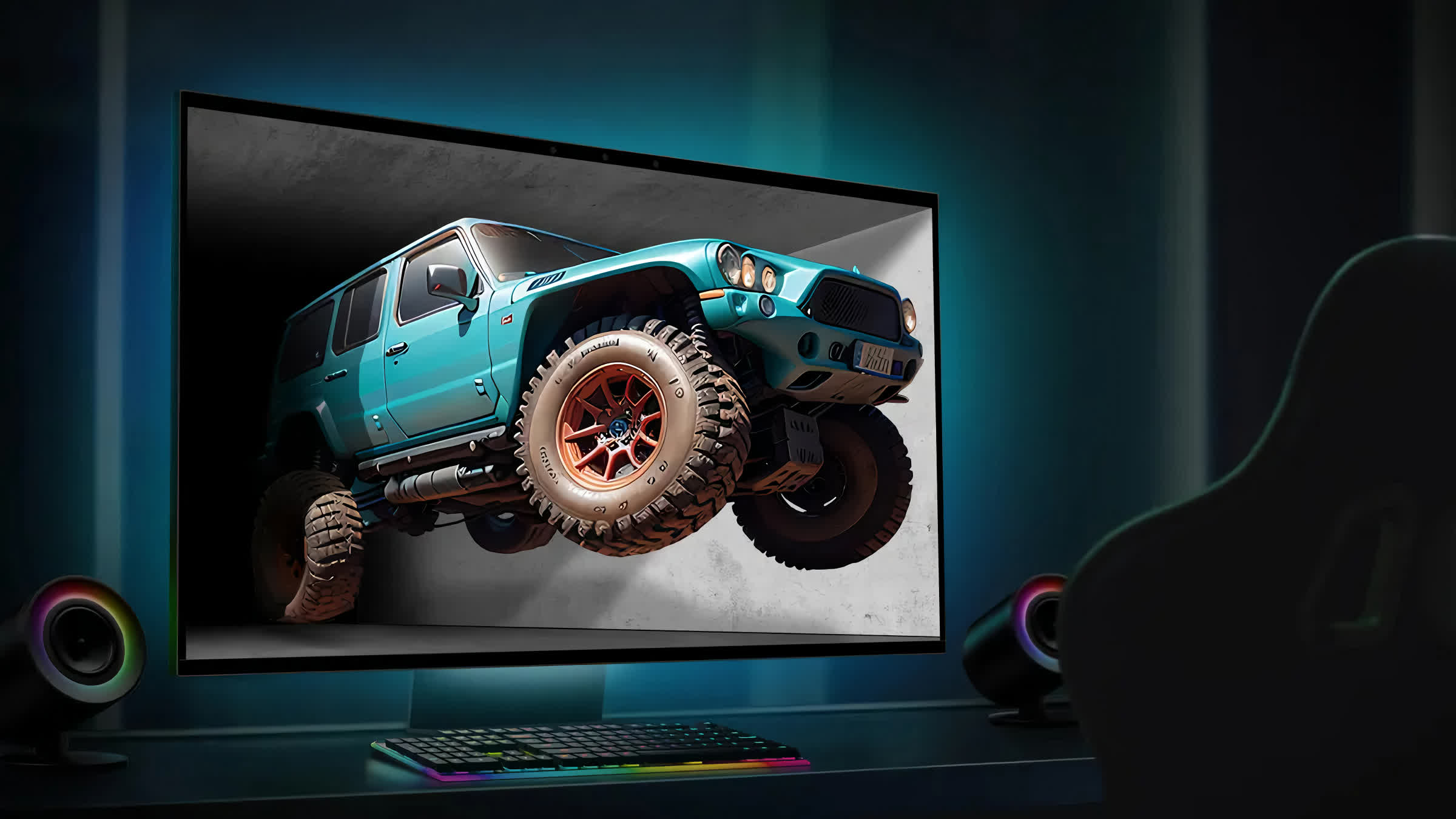
The recently unveiled "wiz3D" project is designed to "resurrect" stereoscopic support in older games, allowing them to run with compatible goggles and other stereo display devices. The open-source tool acts as a stereoscopic 3D wrapper, injecting hooks into gaming APIs to generate real-time stereo 3D output on modern Windows systems. Unlike proprietary – and largely abandoned – solutions, wiz3D does not require kernel drivers or special hardware components to deliver its stereoscopic effects.
wiz3D is based on iZ3D, a former commercial software project focused on adding stereoscopic effects to games using a kernel-level driver. The original iZ3D ("I See 3D") developers eventually released the source code under an open-source license, and the wiz3D ("We See 3D") developers are now modernizing the codebase by replacing the kernel driver with a proxy DLL loader.
The wiz3D creators acknowledge that stereoscopic 3D gaming has long since faded, despite having been a booming PC technology a decade ago, with multiple competing manufacturers and hardware solutions. Over time, these technologies – including Nvidia 3D Vision, AMD HD3D, Tridef, OpenGL quad-buffer stereo, and iZ3D – were discontinued or have stopped working entirely.
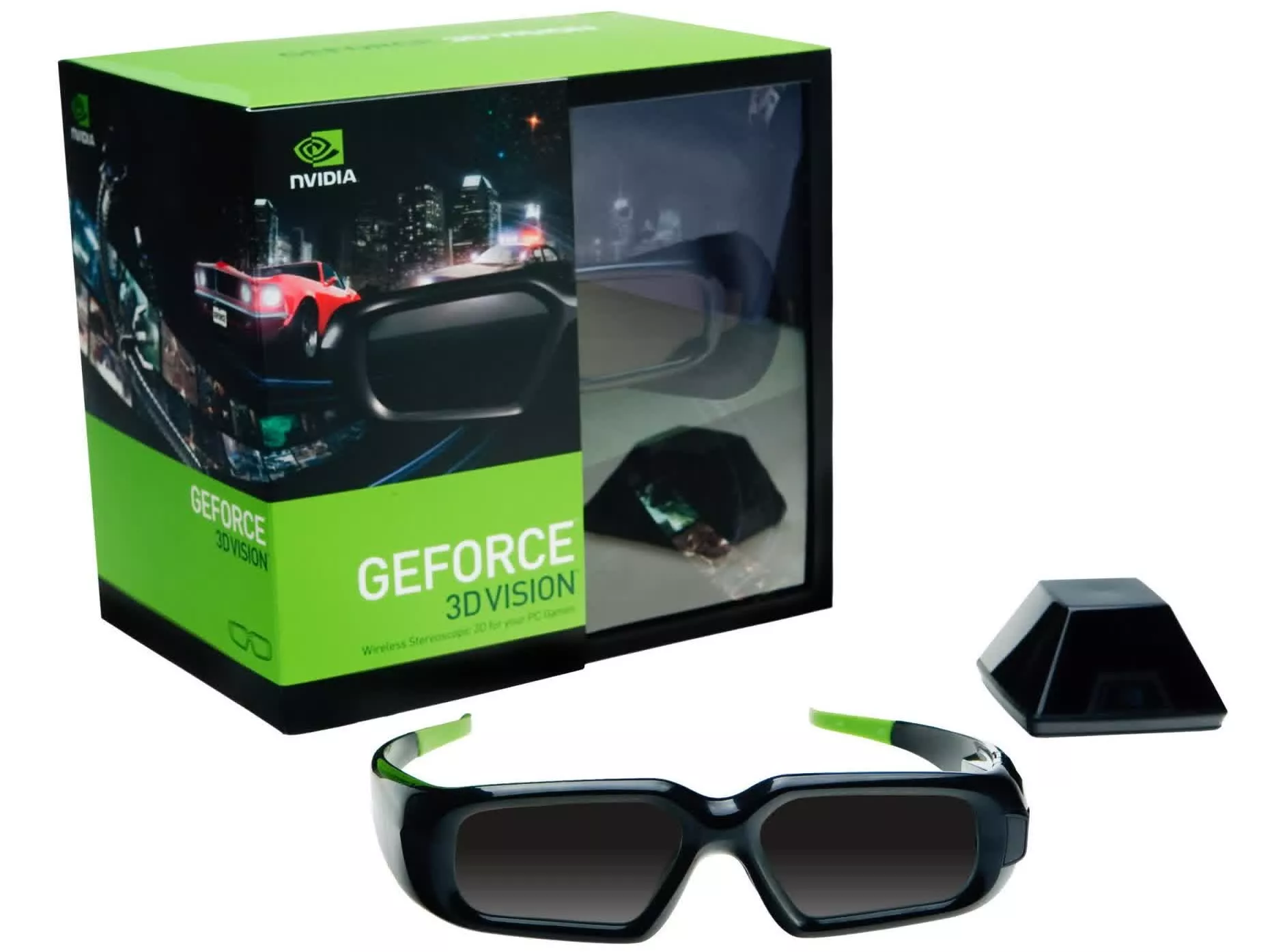
wiz3D aims to "re-enable" proprietary stereoscopic solutions such as 3D Vision and HD3D, while also expanding stereo support to select games across standard PC APIs including DirectX 7 – 11 and OpenGL. In addition, the developers plan to support stereoscopic gaming across a range of VR and AR headsets, stereo 3D displays, and even newer "no-glasses" 3D technologies such as Samsung's Odyssey 3D gaming display.
According to early testing results, wiz3D currently delivers mixed compatibility with legacy stereoscopic technologies. AMD HD3D rendering is "mostly working," as are DirectX 9 titles. DirectX 8 games and Nvidia 3D Vision "Ready" titles are partially functional but require further testing, while support for other APIs (DirectX 7, 8, 10, and 11, as well as OpenGL) remains a work in progress.
Despite owning a 3D Vision-compatible Full HD display for years alongside a long list of Nvidia GPUs, I never became invested enough in stereoscopic gaming to purchase 3D Vision goggles and experience what all the 3D hype was about. A project like wiz3D suggests that interest in stereoscopic imaging still exists, with developers now asking for help to refine their "messy" codebase and further test compatibility across a wider range of games.
Open-source project wants to bring stereoscopic 3D gaming back from the dead


