Oversupply in the EV market drives down prices as automakers revise their production outlook

Skye Jacobs

Posts: 2,013   +59
Staff
Why it matters: The EV market is at a critical juncture as automakers revise production goals citing softening demand even though research still points towards long-term growth. Now is an ideal time for consumers to consider making the switch to EVs while manufacturers must adapt quickly to a changing market and still maintain a long-term vision for electrification.
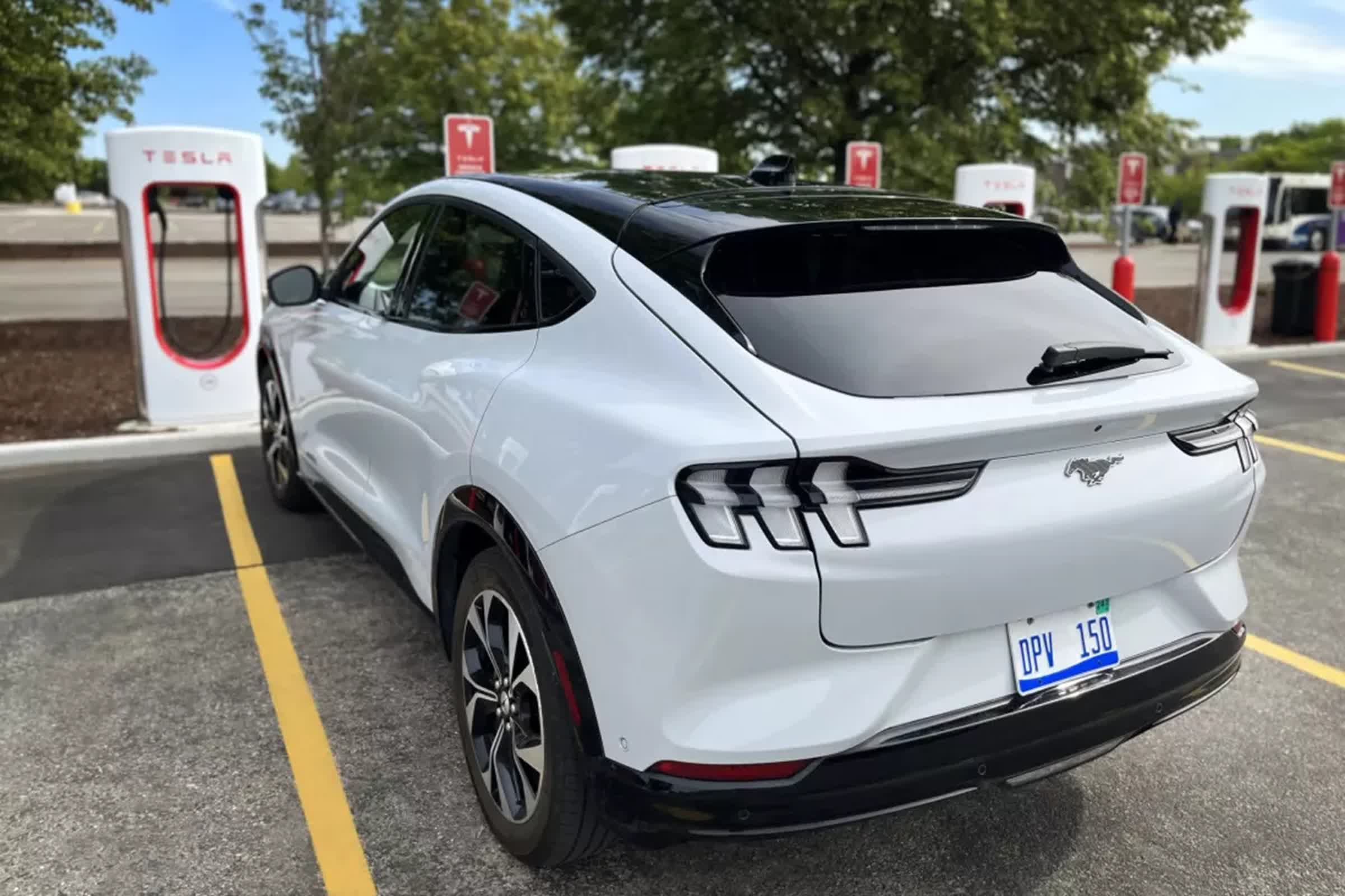
Over the past year, automakers have reported softening demand for electric vehicles and have subsequently reassessed their original ambitious production targets. At the same time, there is an unexpected level of oversupply in the market, depressing prices and giving bargain-hunting consumers the opportunity to buy these cars at a discounted price. It is a significant shift in the EV landscape that has occurred over the space of a year.

Certainly, the long-term outlook is looking far different than even a few months ago. One after another, major automakers have announced plans to scale back their EV production goals for the next five years.

Late last year, 14 EV automakers had production goals of 27 million EVs for 2030, according to a new analysis by BloombergNEF reported in Inside EVs. Since then they have revised this number and will now produce a combined 23.7 million electric cars that year – a 3.3 million unit shortfall primarily attributed to Mercedes-Benz, Ford, and Volvo, who have retreated from their initial 2030 goals.

Mercedes-Benz, for instance, has revised its target from 100 percent EV sales globally by 2030 to 50 percent. Ford has walked back its goal of selling only electric cars in Europe by 2030, while Volvo has adjusted its target to include plug-in hybrids alongside pure EVs. Other major players like Volkswagen and Stellantis are also struggling to meet their 2030 goals and may need to recalibrate soon.
Short-term targets are also being adjusted. General Motors has stepped away from its goal of achieving 1 million units of EV-manufacturing capacity in North America by next year, citing slower market development. Toyota has reduced its 2026 target from 1.5 million EV sales to 1 million.

Still, BloombergNEF is projecting a 20 percent increase in sales of EVs and plug-in hybrids in the US this year.

Meanwhile, even as automakers scale back their production goals and immediate sales don't appear to be at risk, there's an oversupply of EVs in the market. Research from Cars.com shows that EV supply has increased by more than 60 percent compared to last year, outpacing the growth in demand. This has led to EVs staying on dealer lots for an average of 82 days, nearly 20 percent longer than last year.
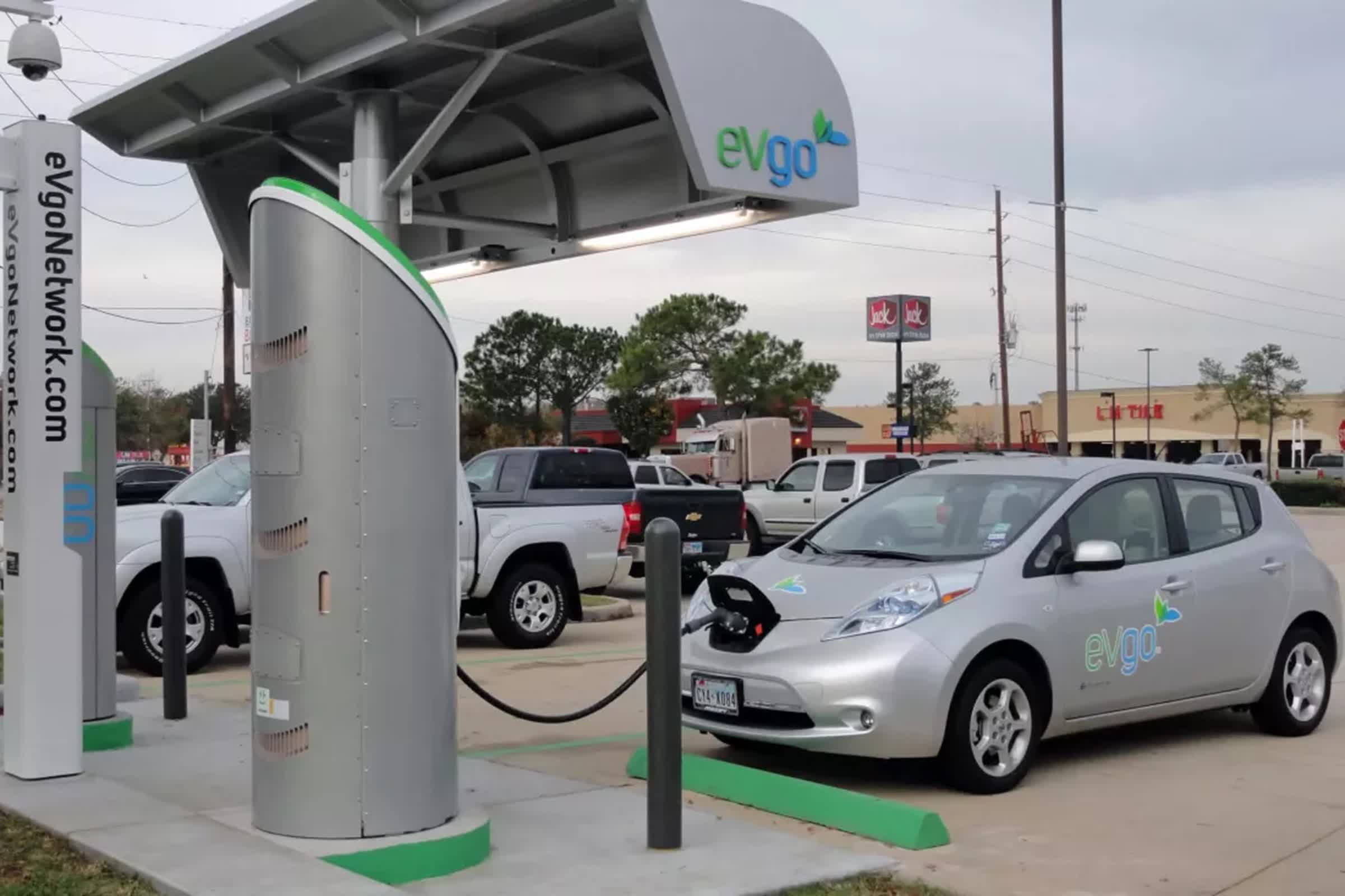
This oversupply has led to attractive deals on both new and used EVs for consumers. Cars.com reports that used EV prices have fallen by 7.8 percent compared to last year, and searches for used EVs are five times higher than for new EVs. Popular models like the Kia EV9, Chevy Blazer EV, and various Hyundai models can be had at compelling lease and purchase prices.

These two trends have left automakers navigating a complex balancing act. While the current glut of EVs on the market may be temporary, they still need to manage their production to avoid oversupply and maintain profitability. On the other hand, scaling back too much could leave them behind in the long-term EV race, especially as companies like Tesla and China's BYD continue to push forward aggressively.

The industry is in a transition period, in other words, where finding the right mix of supply and demand may require a new approach to the market.

Permalink to story:

 
As everything else the higher the demand it creates more competition creating more opportunities for more affordability.

With that said, we just don't want cheaper prices, we want a better EV package, one that doesn't require us to wait over 20 minutes to charge the car while gas vehicles can be back on the road in less than 5 with a full tank.
 
Stop making EVs that all have to have some "gimmick". They all have to look like the future and make weird noises. I should be able to get in a vehicle and not be able to tell how the wheels turn. People don't want smartphones with wheels. Heck, most people I know want cheap, basic transportation. They can have a cheap MSRP, but goto a dealership and find one that doesn't have $15,000 in options.

Then the anti-repair crap they do is a turn off to car guys. I don't want to pay $300 at a dealership for them to "program" my headlight if it goes out. Why do they make working on the batteries so difficult? It's dangerous? No more dangerous than putting any other 5000lbs vehicle up jack stands. I'm allowed to pull a 1 ton motor out of truck that could kill me at any time, but I'm not allowed to work on the battery? They sell Christmas lights that are responsible for hundreds of house fires every year, but for some reason we aren't allowed to work on electric vehicles.

People talk about how the cost of ownership of an EV is lower. That's true until something breaks and you need a $10,000 peice of software to change a light bulb. But they don't have light bulbs anymore, they have "enclosures" and you need to replace the entire light that can *only be purchased from the dealership* and then the dealership charges you to install it and program it.

The state of the car market is infuriating.
 
Supply & DEMAND. Lots of people have sold their EV's because of the hassles. Range, recharge time, cold/hot weather range reduction, REPAIR costs, lack of recharge stations for long trips.
And I'd like to point out that repair costs don't have to be an issue, it's a manufactured issue to increase profits. EVs have tons of benefits over traditional ICE vehicles, but manufacturers have thrown any appeal they might have out the window. The people who want EVs have already bought them and now they need to make them appeal to the average consumer. Automakers have failed the average consumer.

Very few people actually need an ICE vehicle. I understand that many people cite road trips as a reason(aka, range anxiety) as a reason for not wanting an EV, but they can just rent an ICE car for the week or two every year they do that. I usually rent a vehicle when I go vacation anyway. I daily drive my honda to work and rent a luxury car for a week when im on vacation.

I'm frustrated because I like the idea of an electric car and have been interested in buying one for a few years now, but there is so much unnecessary BS surrounding ownership, maintenance and general liveability that I immediately get turned off by them.

Maybe in another 5 years things will change as manufacturers will have listen to what consumers want to sell more units instead of telling us what we should want.
 
Supply & DEMAND. Lots of people have sold their EV's because of the hassles. Range, recharge time, cold/hot weather range reduction, REPAIR costs, lack of recharge stations for long trips.
Lack of infrastructure is a huge ordeal. Everyone who wanted an EV and didnt travel...has one. Everyone else is unconvinced.
 
Maybe in another 5 years things will change as manufacturers will have listen to what consumers want to sell more units instead of telling us what we should want.

I have an aging (small) fleet of cars. I do not buy new cars. At some point in the next 5 years I will probably need to purchase another vehicle to replace an aging one. I would easily consider purchasing an electric car but the prices will have to come down considerably. I am recluctant to spend 20 grand on an ICE car and if I'm going to take the risk on a used electric car, then it should be cheaper than that.
 
Back