
In context: Communities across the US have pushed back against the deployment of AI-powered automatic license plate readers (ALPRs) because of concerns about mass surveillance. Reports over the past year or so illustrate how authorities have used data from these devices to conduct traffic stops based on nothing more than "suspicious" travel patterns.

The ACLU recently outlined a pattern of police traffic stops based solely on data from Flock cameras and other license plate readers. The reports go back to at least 2025 and show how closely authorities can track the movements of most motorists.
In one case from late 2025, a woman only understood the extent of the surveillance when an officer demonstrated the software following a traffic stop. As she traveled through several states on a road trip to Florida, a self-identified FBI agent ran her license plate through a database and stopped her simply because she was from another state and her recent travels seemed unusual compared to the information the ALPR network had on her.
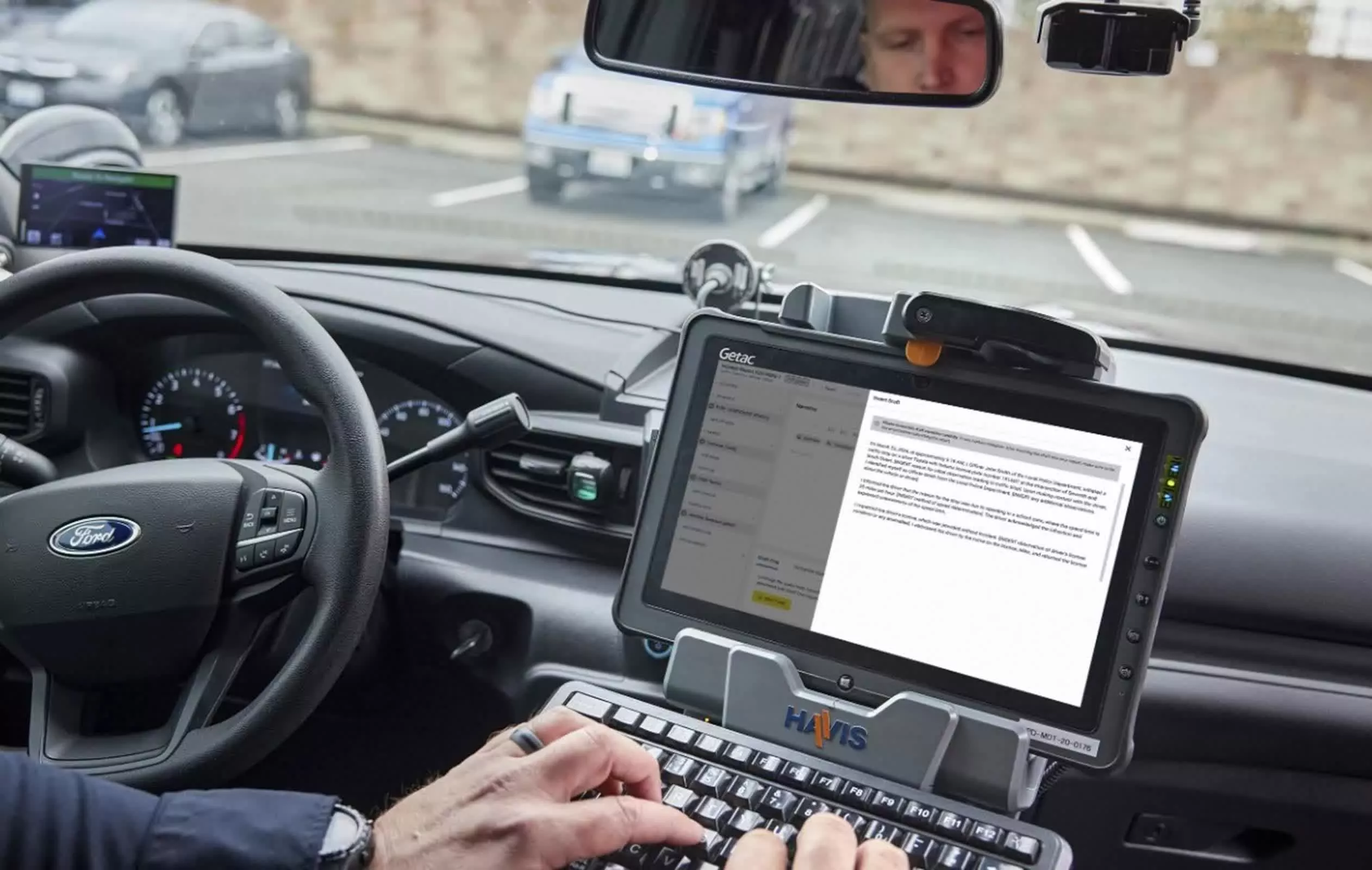
Although the account did not specifically mention Flock, the agent likely used a database built by Flock or another company that has installed ALPRs in thousands of communities nationwide. The AI-powered cameras automatically input passing cars' license plates (not always accurately) into nationwide databases that authorities can search without warrants.
The technology lets officers theoretically track the movements of any vehicle that has driven past ALPRs. In some cases, authorities can track associations between different vehicles and mobile devices to build and link profiles. While supporters claim the cameras can help solve crimes, find missing persons, and combat illicit trafficking, multiple incidents have raised concerns over police conduct.

Dozens of officers have been caught using the cameras to stalk ex-partners. Even in routine police work, traffic stops based on ALPR data raise questions about whether driving patterns amount to probable cause.
In another 2025 case, police stopped a man simply because he drove back and forth between his home in Wisconsin and Michigan. Because marijuana is legal in Michigan, authorities suspected that anyone driving in and out of the state might be trafficking it to parts of the country where it remains illegal.
Earlier this year, an Oklahoma judge called a similar stop unconstitutional indiscriminate mass surveillance, even though it led to the seizure of 91 pounds of meth. In response to such incidents, a Florida representative recently introduced a bill to require warrants to search ALPR databases. However, other politicians want to ban the technology outright.


