Steam could be headed to phones, tablets, and other Arm hardware

Daniel Sims

Posts: 2,484   +76
Staff
Connecting the dots: The Steam Machine received most of the attention during Valve's major hardware announcement last month, but a minor detail in the company's upcoming standalone VR headset could eventually have far larger ramifications for PC gaming. While Valve's plans beyond next year remain unclear, the Steam Frame could become a Trojan horse for bringing the platform to most mobile devices.
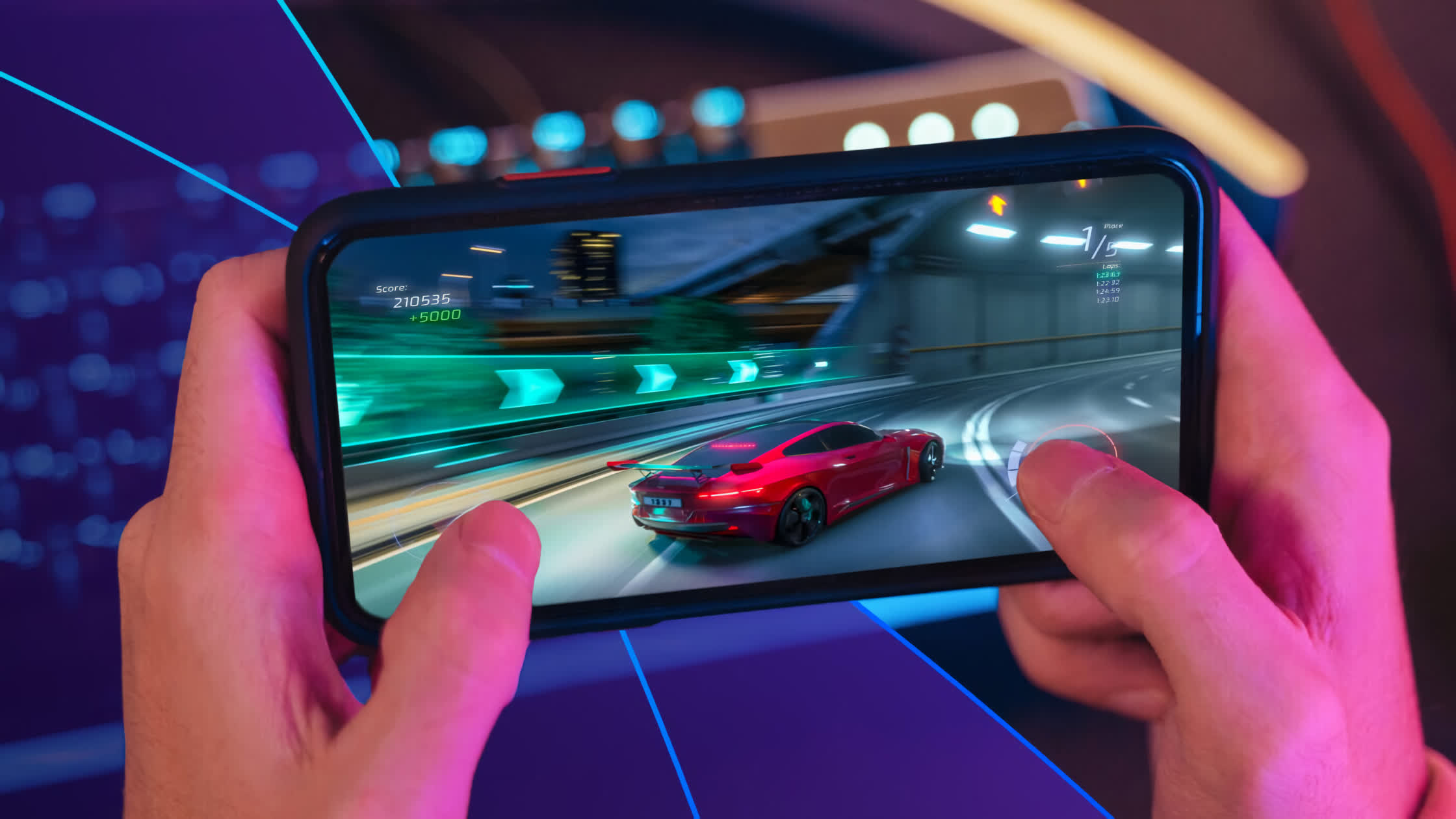
Valve recently told The Verge that it has spent years funding the development of emulators and translation layers to make x86 games playable on Arm chips. Work by developers both inside and outside the company could make Windows titles run smoothly on Android and other platforms without porting or streaming.

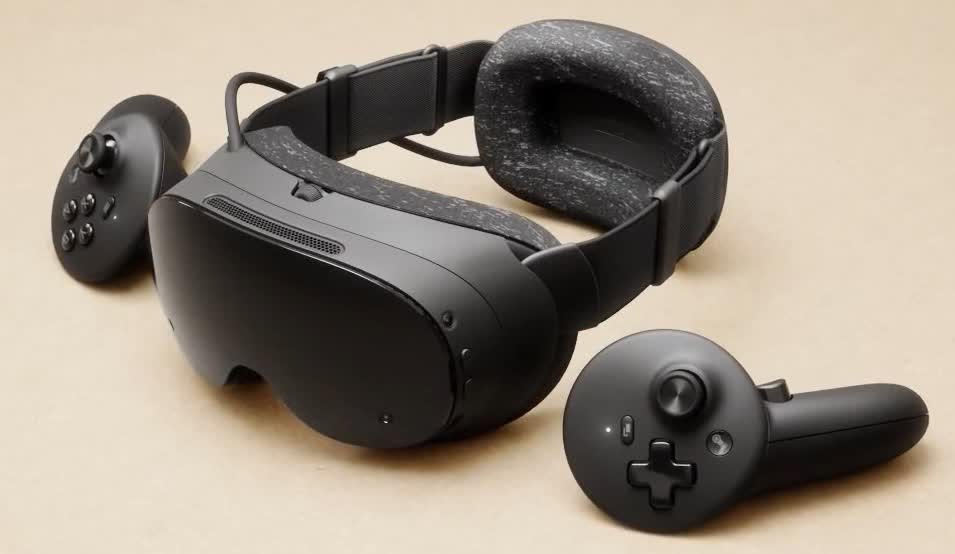
GameHub technically enables this today. Its Android frontend runs numerous PC games on phones and tablets using the Fex emulator. Valve will also use Fex to run Windows titles on its upcoming VR headset, the Steam Frame, which uses an Arm-based Qualcomm Snapdragon 8 Gen 3 processor.
What most didn't know until recently is that Valve has been Fex's key development backer for nearly a decade. In the lengthy interview, SteamOS and Steam Deck architect Pierre-Loup Griffais explained that the company began recruiting developers for Linux and Arm translation layers in 2016 and 2017.

Valve didn't have specific hardware in mind at the time, but it recently told Road to VR that work on the Steam Frame's lenses began around 2018, before the launch of its predecessor, the Index headset. Still, the company understood that Arm processors – which power most phones and tablets – would be essential below certain price points and power profiles.

Valve also recognized that shippable translation layers would require around a decade of development. Although Fex lead developer Ryan Houdek isn't a Valve employee, the company has paid him enough that building the translation layer is currently his full-time job.

The implications could stretch far beyond the Steam Frame's ability to run Windows x86 code without streaming from a PC. Valve says that, although it isn't currently developing other Arm devices, external manufacturers have expressed interest in SteamOS.

Fex could also enable gaming compatibility on Qualcomm-based Windows laptops and upcoming Android PCs. While Qualcomm plans to let developers begin releasing Arm-native Windows titles in 2026, echoing Apple Silicon, Griffais said Valve considers porting games a waste of time.

Another version of the company's Proton translation layer can already run Android software on SteamOS. This is meant to help developers easily port Android XR and Meta Quest games to the Steam Frame, but it also potentially opens the door to shipping mobile-native code on Steam elsewhere.
Other opportunities could emerge if regulators force Google and Apple to open their mobile walled gardens. The European Union's Digital Markets Act – which Apple and the US government are currently resisting – forced the company to allow sideloading and alternate app stores on iPhones and iPads in the EU. Epic Games is already taking advantage of the new rules.

Meanwhile, as Google moves to restrict Android sideloading, authorities in numerous countries are attempting to legislate against those policies. If they succeed, an iPhone or Samsung Galaxy could eventually become a Steam phone.

Permalink to story:

 
I have a Qualcom ARM Windows laptop and it already runs games and apps that are x86. It has no problem running World of Warcraft or any of my Steam games (Though I only have a small collection). So I am not sure what else they are bringing to the party on these particular machines unless there are things I don't have that don't currently work.

Either way, With all this going on it soon won't matter what your game was written on or what you are trying to play it on, Is that a good thing ? I don't know, But interesting times ahead.
 
I have a Qualcom ARM Windows laptop and it already runs games and apps that are x86. It has no problem running World of Warcraft or any of my Steam games (Though I only have a small collection). So I am not sure what else they are bringing to the party on these particular machines unless there are things I don't have that don't currently work.

Either way, With all this going on it soon won't matter what your game was written on or what you are trying to play it on, Is that a good thing ? I don't know, But interesting times ahead.

Android and iOS support obviously. Huge market. Mobile games has massive earnings.

Qualcomm SOCs are still slow in gaming compared to AMD/Intel/Nvidia but decent for older games.

WoW is 20+ years old and at best looks like a 12-15 year old AAA game, even todays WoW, really don't require much of the hardware.

However Indie and older games is what many play, so its fine. Getting native Steam support on Android and iOS is massive (not just the store but games actually running but lets see)

Steam really tries to put pressure on Microsoft and Windows, branching out. They have huge Linux focus as well.

Microsoft should be worried and stop putting useless crap in Windows that eats ressources. I think more and more will leave Windows if they keep this up. Windows feels like a live service these days. Constantly doing stuff in the background, with many new features that no-one asked, eating ressources.

Nvidia will soon release ARM + GPU SOC as well, according to rumours.
I think Steam is prepping for this too.

Nvidia is mostly a GPU maker these days. With actual SOCs, they can offer a complete solution. Like Nintendo Switch which uses ARM + Nvidia. No AMD/Intel needed.
 
Last edited:
WoW is 20+ years old and at best looks like a 12-15 year old AAA game, even todays WoW, really don't require much of the hardware.

I wasn't so much thinking of the power needed to run it as I was the fact that it is very solidly an x86 peice of software running on ARM well through some kind of translation layer I guess. The power of the cpu will no doubt be a problem for newer stuff. But with WoW it has enough overhead to do the job.

I wonder if we will start to see native ARM games from AAA devs at some point. I mean, We allready have Windows and Linux on ARM native as well as a bunch of apps, It starts to feel a bit like a move away from x86 sometimes (In the same way as it sometimes feels like the year of Linux, You know) ;)

Takes me back to the days when we had a lot more choice of computer hardware and architectures but now software can seemingly run on all sorts of hardware instead of having to be specific. I'm quite liking it, I can have a powerful x86 machine to game on and an ARM laptop with great battery life to take out and about and both run the same stuff (for a give value of run).

Just my ramblings on the topic :)
 
Maybe having real games on mobile will end the MTX garbage that is "mobile gaming".
 
Maybe having real games on mobile will end the MTX garbage that is "mobile gaming".
Yeah but (most) real games don't play well on mobile.

I know that if I want to play a real game, I want a big enough screen and a few hours uninterrupted (in comfort) to play. Mobile is not meant for either of that.
 
I have been gaming on PCs and consoles for 30 years.

Mobile gaming, never said me anything. Nothing at all. Not even when I am bored. I think I have tried mobile gaming for a few hours in my life (meaning, gave it a chance at times).

Control is just bad. Maybe I should try one of those real controllers, you can add with USB-C. Never tried them.

Also, seems like pretty much all mobile games, is about micro transactions and milking the user.

Would love to see regular games on mobile ARM devices.
 
Back