
Recap: Controversy has long surrounded Tesla's self-driving technology, which has faced accusations of false advertising, deadly accidents, and allegations of cover-ups. An early report from the company's robotaxi service in Austin, Texas, is unlikely to improve matters, as it reveals that the vehicles were involved in accidents almost immediately after they began operating in late June.
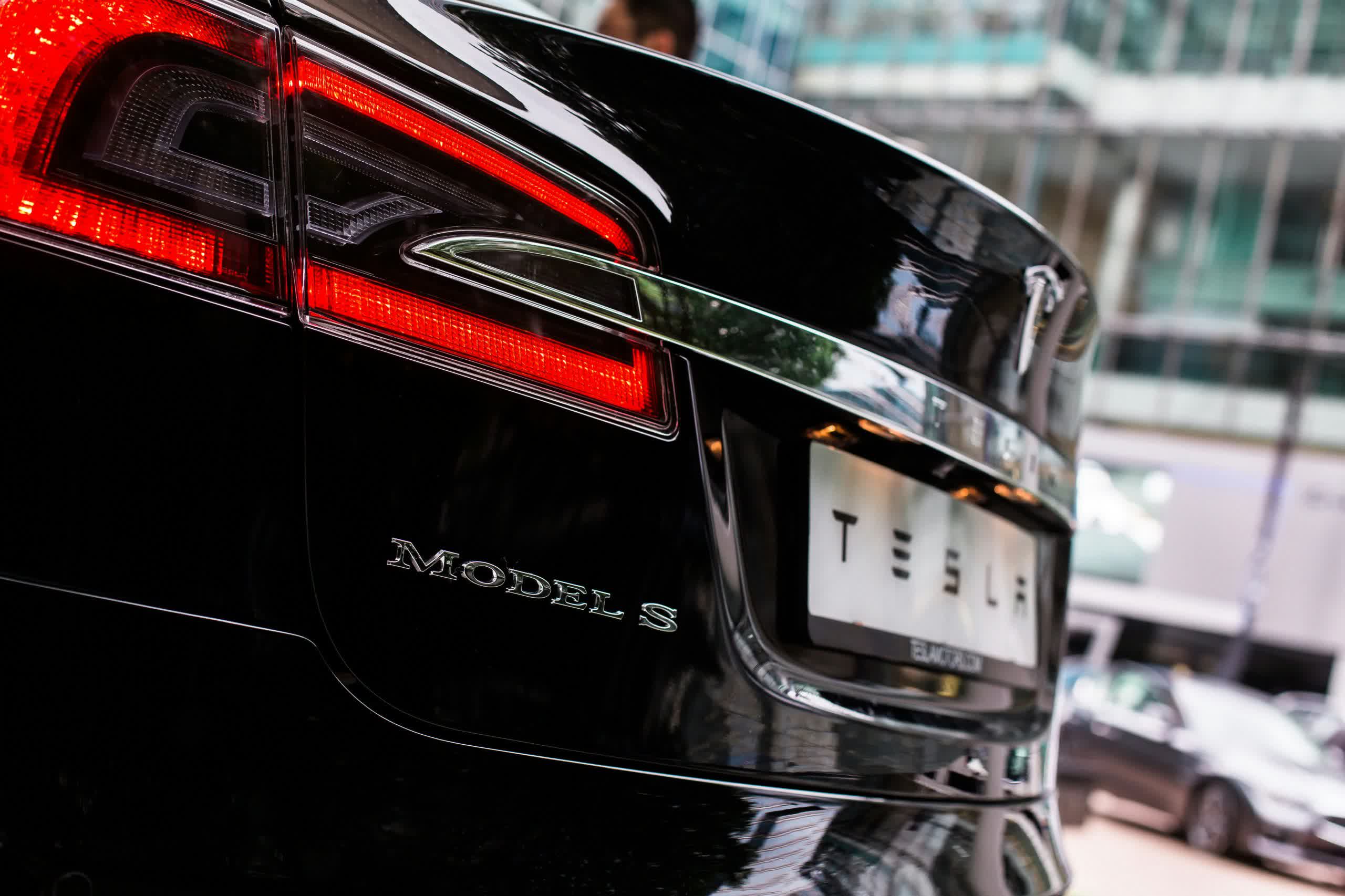
A report to the federal government reveals that Tesla's robotaxi fleet in Austin suffered three crashes soon after the service began on June 23. Forbes reports that the company's data is vague and heavily redacted, but one or more of the accidents might have occurred on the first day.
A Tesla earnings call suggests that all three July incidents happened within the fleet's first 7,000 miles of operation, indicating an extremely poor driving record. For comparison, although rival Waymo reported many more crashes during the period, the company's record after 96 million miles on the road surpasses most human drivers.
Here's my entire first Tesla Robotaxi trip from start to finish. Ten miles across south Austin. Timestamps in comments. pic.twitter.com/cr6y4z1UWB
– Rob Maurer (@TeslaPodcast) June 22, 2025
Two vague Tesla reports describe rear impacts, one occurring during a right turn and the other after the robotaxi stopped while driving straight for unspecified reasons. It remains unclear whether the Teslas were at fault in the incidents. However, another crash involved a robotaxi that struck a stationary object, causing minor injuries and requiring the Tesla to be towed.
Videos showing the robotaxis behaving erratically appeared on the first day of the Austin trial, prompting an investigation by the National Highway Traffic Safety Administration. Videos show the Teslas speeding and breaking traffic laws.
Notably, the clips came from Tesla investors. The Austin pilot program is currently limited to influencers, the company's fans, and any adult guests. Furthermore, human supervisors accompany the passengers and can activate emergency brakes from passenger seats, making the accidents more concerning.
Here is my experience in one of the first public nighttime @Tesla Robotaxi rides. It was smooth, comfortable and just as good as it is during the daytime. pic.twitter.com/7bDvVaWf3A
– Sawyer Merritt (@SawyerMerritt) June 23, 2025
Multiple companies have found the robotaxi business challenging. Waymo's early trials prompted an NHTSA investigation following numerous incidents, and General Motors quit robotaxis after encountering similar challenges.
Moreover, electric vehicle drivers are not enthusiastic about full automation. An August survey indicated that most Tesla customers were either indifferent or hostile to the company's Full Self-Driving technology. Nearly half of the respondents believe it should be illegal.
Despite the setbacks, robotaxis continue to spread. Wayve and Uber intend to begin operating in the United Kingdom sometime next year, and Nvidia is reportedly planning to step into the arena.


