The Best 4K Gaming Monitors: OLED Leads, LCD Fights Back

Thanks for the article.

I know this is specifically re: gaming monitors, but not a mention of text clarity for reading? Some of the pretty monitors don't display text as well and that can cause eye fatigue for some people. That is improving in some panels so I think it is worth including.
 
I know this is specifically re: gaming monitors, but not a mention of text clarity for reading? Some of the pretty monitors don't display text as well and that can cause eye fatigue for some people. That is improving in some panels so I think it is worth including.

Absolutely. We cover that on individual reviews which are linked here, too. For the buying guide it's more practical advise based on a larger body of data and picking from the best performance/value so you don't have to go through every single model.

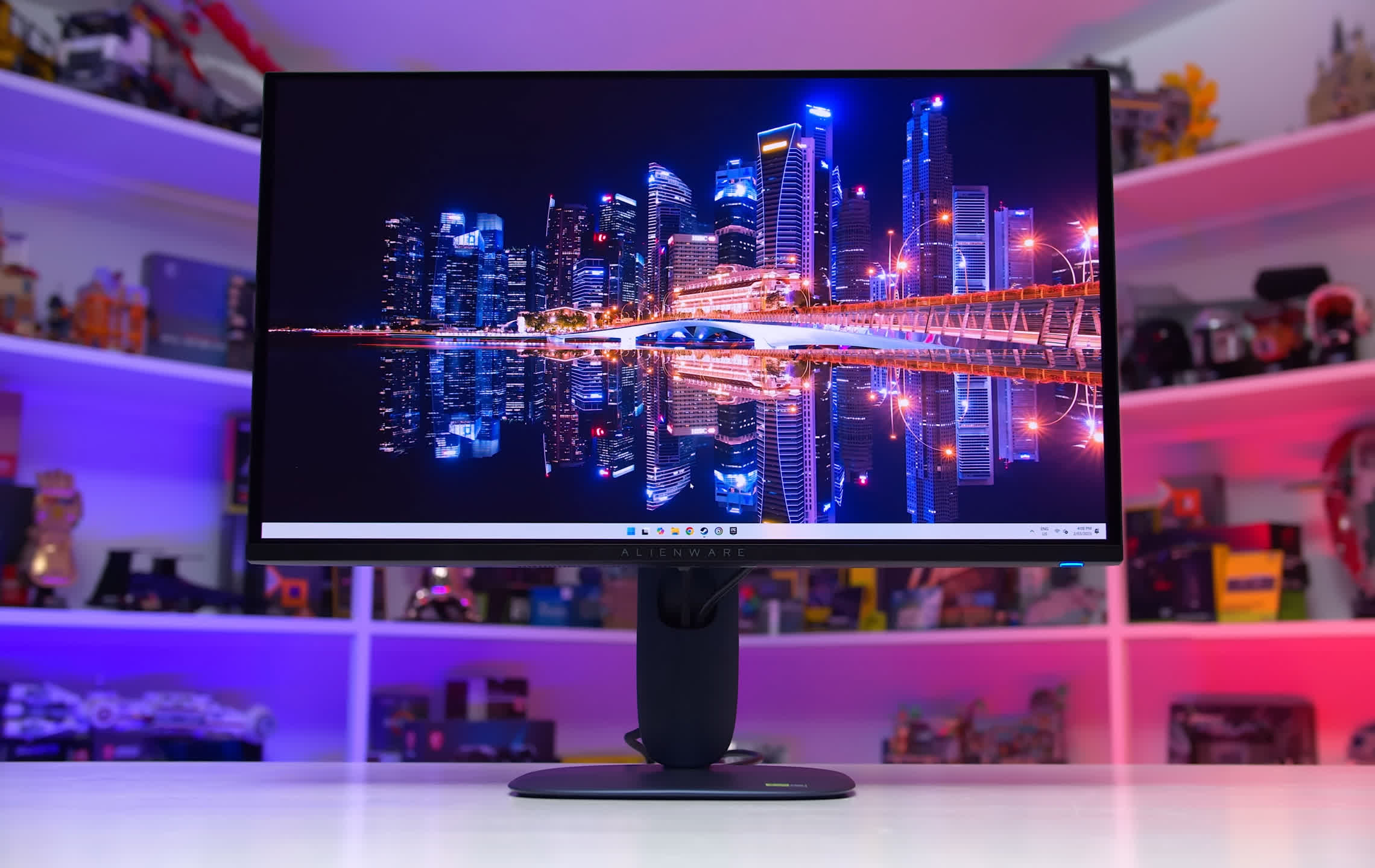
See this for example for our Alienware 27" OLED recommendation:
 
Good news is that the 32 inch 4k 240hz QD OLEDs are selling for as low as $649 and most flagships hovering around $799 which is significantly cheaper than what sold for when they launched.

Even though display stream compression is lossless in terms of image quality vendors are still charging the same premium minimum $1199 for dp 2.1 for a 4k oled or higher resolutions.

1000071515.jpg
 
My LG 48" OLED 120Hz G-Sync 4K TV was $600. Incredible as a monitor. Why pay so much more for so much smaller?
Because not everyone needs or wants 4K.
Because not everyone needs or wants 48".
Because some people want more than 120Hz.
Because some people want higher PPI than what 4K @ 48" offers.
Because some people want something cheaper than $600.
Because not everyone needs or wants TV for their monitor.

Plus myriad of other reasons.
 
Because not everyone needs or wants 4K.
Because not everyone needs or wants 48".
Because some people want more than 120Hz.
Because some people want higher PPI than what 4K @ 48" offers.
Because some people want something cheaper than $600.
Because not everyone needs or wants TV for their monitor.

Plus myriad of other reasons.
Some want less than 4K *and* a higher PPI? So you want less information on a smaller display?

Who cares if it is a "TV"? It's an OLED display. It's only a "TV" if you use it that way.

The monitors I'm comparing to are the ones that are much smaller *and* more expensive. Not the ones under $600. That's why I specifically brought them up.

If you are a competitive gamer and want more than 120Hz, I get that. It isn't for me, though. I find 120Hz to be plenty for non-twitch gaming. 120fps happens to also be the sweet spot for modern, demanding games on my 5070ti. Any higher would generally go unused.

"Myriad" does not need the word "of" after it. Use it the same way you would use "several". :P
 
Some want less than 4K *and* a higher PPI? So you want less information on a smaller display?
I said some, not all and each reason was a separate line which I thought would convey that some of these are mutually exclusive needs. Yes some people dont want 4K as it's pointless to them.
Who cares if it is a "TV"? It's an OLED display. It's only a "TV" if you use it that way.
TV is still a TV with all the baggage it brings including higher latency and the lack of DisplayPort. Plus the features you pay for but presumably will not use.

Using LG OLED TV's as monitors made sense back when there were no OLED monitors.
Now it's largely pointless unless someone wants a massive 50" or larger TV as their monitor.
The monitors I'm comparing to are the ones that are much smaller *and* more expensive. Not the ones under $600. That's why I specifically brought them up.
I assume you're referring to the over $600 monitors in the article:
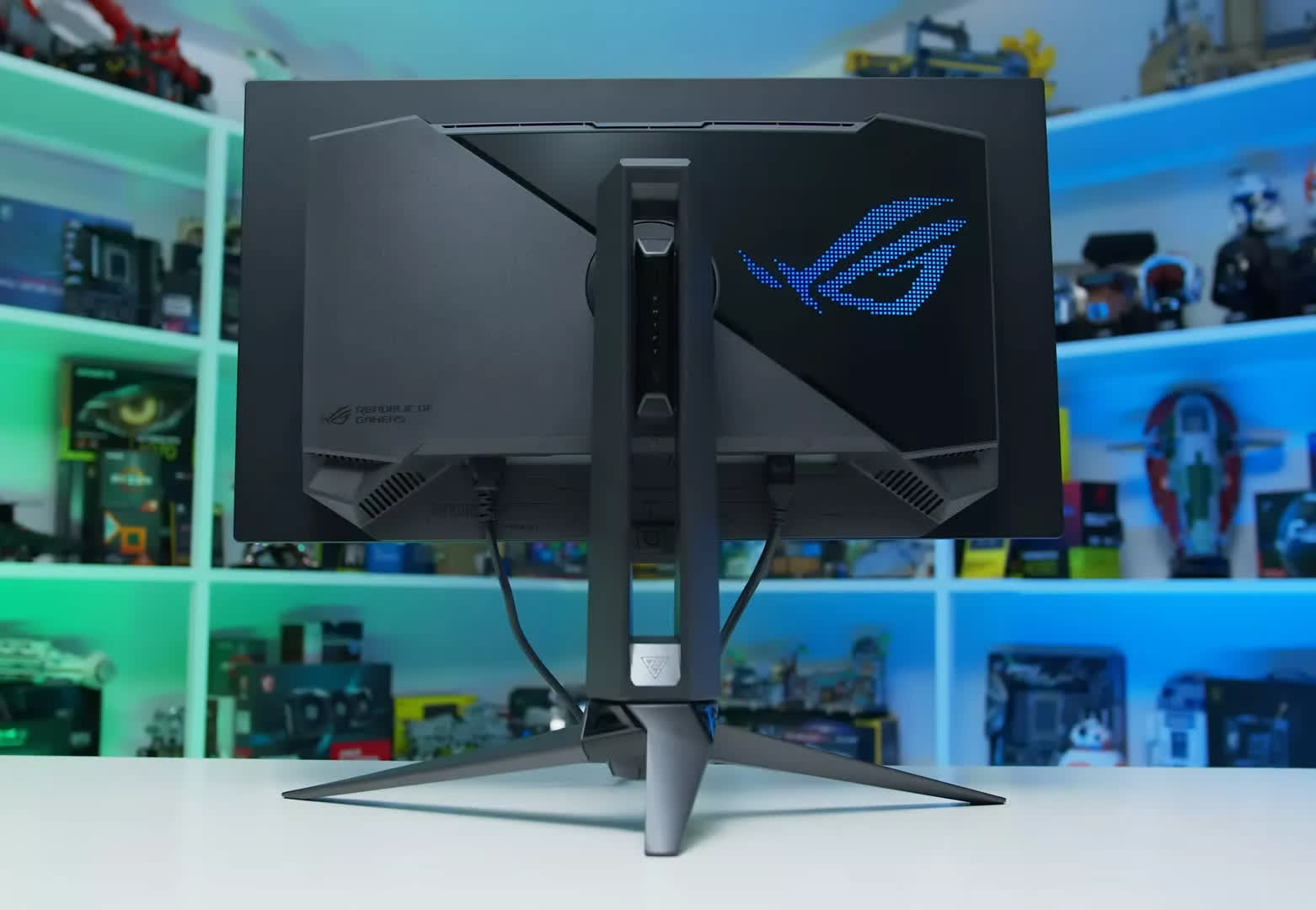
Dell Alienware AW2725Q 27" and Asus ROG Strix OLED XG32UCWMG 32"

Both have higher pixel density and higher refresh rate compared to a TV.
Asus model has features like proximity sensor, anti-flicker mode, ELMB, and unlocked color controls.
 
TV is still a TV with all the baggage it brings including higher latency and the lack of DisplayPort. Plus the features you pay for but presumably will not use.
I hear you on the DisplayPort point for those who need it. It doesn't give anything more in my case.

My LG B5 does 5ms of latency in Game Mode, which is lower than many dedicated gaming monitors, so I don't see it even remotely being an issue. 11ms in FilmMaker Mode (better color accuracy for photo/video editing), which is still well within the range of many gaming monitors.

Both have higher pixel density and higher refresh rate compared to a TV.
Refresh rate... sure, for some. 120Hz is the threshold where I, and probably many others, no longer care. The games I play are demanding, and getting more than 120fps in them is unlikely.

The pixel count is identical to those two more expensive monitors. If I want the pixels to be smaller, I can back away from the display. If I want to be immersed in the image, I can move closer.
 
Last edited:
You guys REALLY need to review Mini-LED monitors like the INNOCN 32" Mini LED, there's a big difference for sure and it's like only $400.

I got the cheap Innocn 4k Mini-LED and the MSI OLED. Fired up a few games and the Mini-LED looked so much better. The OLED was for sure better in totally dark scenes/rooms as the Mini-LED had a little bleeding, but you really had to look for it. Now playing any games with basic lighting like Ghost of Tsushima and the difference between the two is dramatic. The OLED looks dull compared to the Mini-LED due to the lack of proper lighting and the colors on the Mini-LED just popped due to it, it's crazy how much of a difference that extra lighting makes. I was playing battlefield 2042 with HDR and it actually hurt my eyes looking right into the sun, that's how good it was. The text is also sharper, and you do not have to worry about burn-in.

Just look up the video called "Samsung Odyssey OLED G8 G80SD vs Asus PG32UQX - 32" QD-OLED vs Mini-LED HDR Comparison" to see what I am talking about.
 
Last edited:
Back