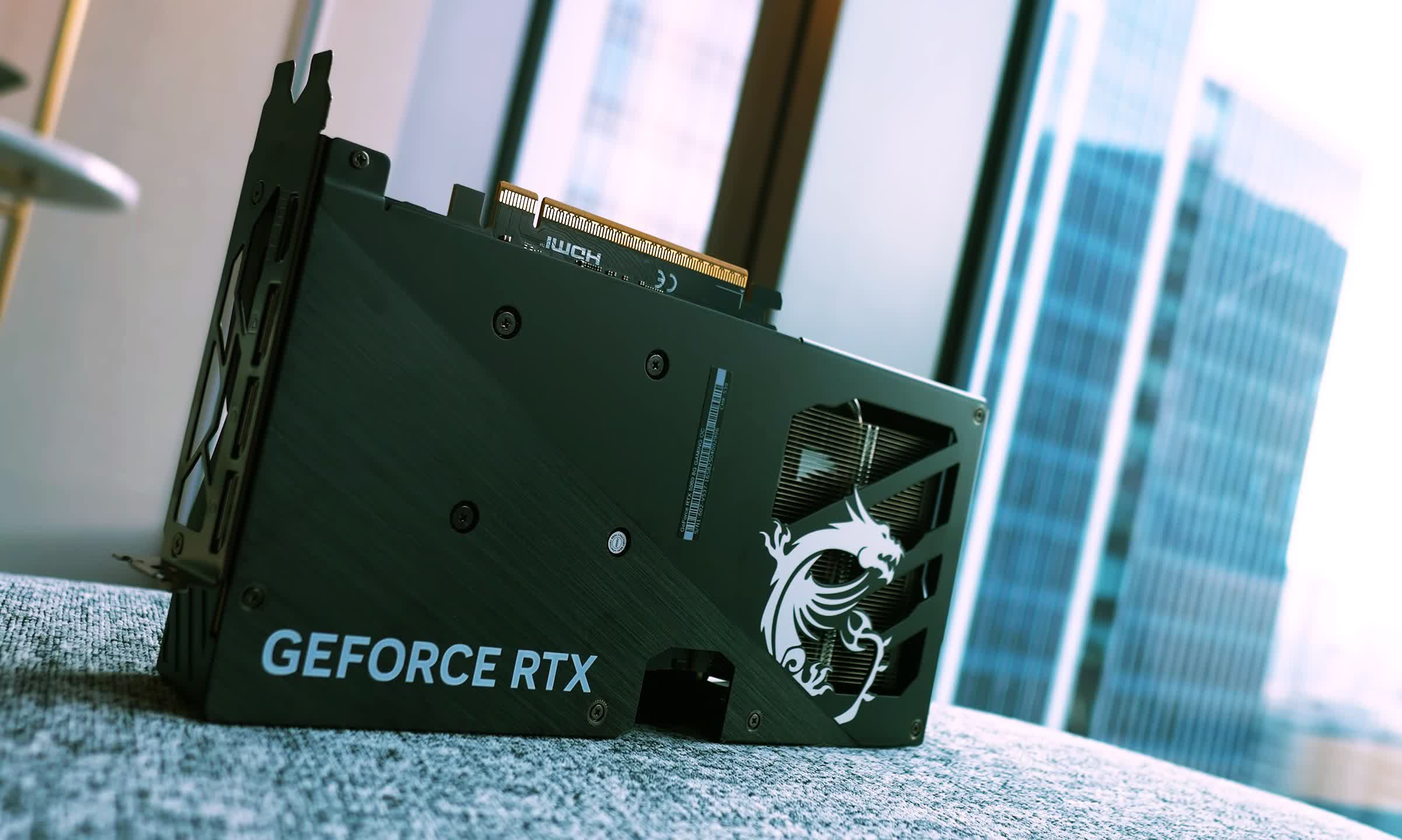
A faster GPU isn't always a better upgrade for an older PC. We test the RTX 5060, RTX 5070, and RX 9060 XT across four CPUs to see how processor limitations can turn GPU rankings upside down.
Comment hidden due to low community rating.
Show comment.
Your comparison is pointless when comparing a new high-end AMD Ryzen 7 9800X3D to an older mid-range AMD Ryzen 5 5600. Comparisons should be done between counterparts. Pathetic 'tech review.
Your comparison is pointless when comparing a new high-end AMD Ryzen 7 9800X3D to an older mid-range AMD Ryzen 5 5600. Comparisons should be done between counterparts. Pathetic 'tech review.
The point of the article is to show that a slow CPU bottlenecks Nvidia cards to a greater degree because their drivers have more overhead. Hence, if one has a 5500-class CPU, it is a waste of money to buy an Nvidia card, especially a higher-end one. Add a 9800X3D and the cards scale.
Ryzen 5500 was a potato since it came out. 16MB L3 cache was the main issue for me and I got the 5600x at that time. Still have it now and thinking about getting another AM4 board, but when I look at the memory prices...
I have 2 sticks 8GB DDR4 PC2666 but need to test the damn things since they sit in a bag for more than 6 years.
Now imagine what would happen if it was not in charts.
5 seconds after publishing the article hordes of nVidia lowers come here whining author is trying to bully them.
It’s not as if the author failed to explain the rationale behind choosing a specific CPU for benchmarking GPUs. One might start to think that some people only look at the charts.
It’s not as if the author failed to explain the rationale behind choosing a specific CPU for benchmarking GPUs. One might start to think that some people only look at the charts.
Indeed. "CPU/GPU Scaling Tested" it is right there in the main headline. It's meant to be a technical comparison which is explained in the intro. But people...
This kind of testing is extremely useful given the current market forces on "new" purchases. Knowing where your bottlenecks are can really reduce the risk of wasting money on unsuitable parts. I know my current motherboard/RAM/CPU combination would hamstring anything more powerful than a 9070 (and probably not even the XT version) so I'm not going to remortgage the house for a top end nVidia card (even though I bought a 1080 ti back in 2017). Hoping nothing fails for a few years or I'll be left retro-gaming on my pi-400.
The point of the article is to show that a slow CPU bottlenecks Nvidia cards to a greater degree because their drivers have more overhead. Hence, if one has a 5500-class CPU, it is a waste of money to buy an Nvidia card, especially a higher-end one. Add a 9800X3D and the cards scale.
Well I'd like to know if it makes sense to upgrade the entire platform if I'm using a 5070TI with "equivalent" components. Should I upgrade from a 5900X to a 7XXX or 9XXX platform? Will that make a difference?
For reference I have an old (by today's standards) system with a 5900X, 64GB DDR4. I use this system for Davinci Resolve Studio. I used to run a 3060 12GB GPU and upgraded to a 5070TI (at MSRP of $750 even) about a year and a half ago. The performance gains were huge. Am I extracting all the performance out of it using a high end (not midrange) CPU from a couple generations ago?