Looking ahead: A battery-powered aircraft the size of a regional airliner has completed its first flight, a milestone for Heart Aerospace as it develops technology for a future hybrid-electric passenger plane. The test showcased both the real progress in battery-electric propulsion and the range limits that will keep Heart's first commercial aircraft dependent on a hybrid system.
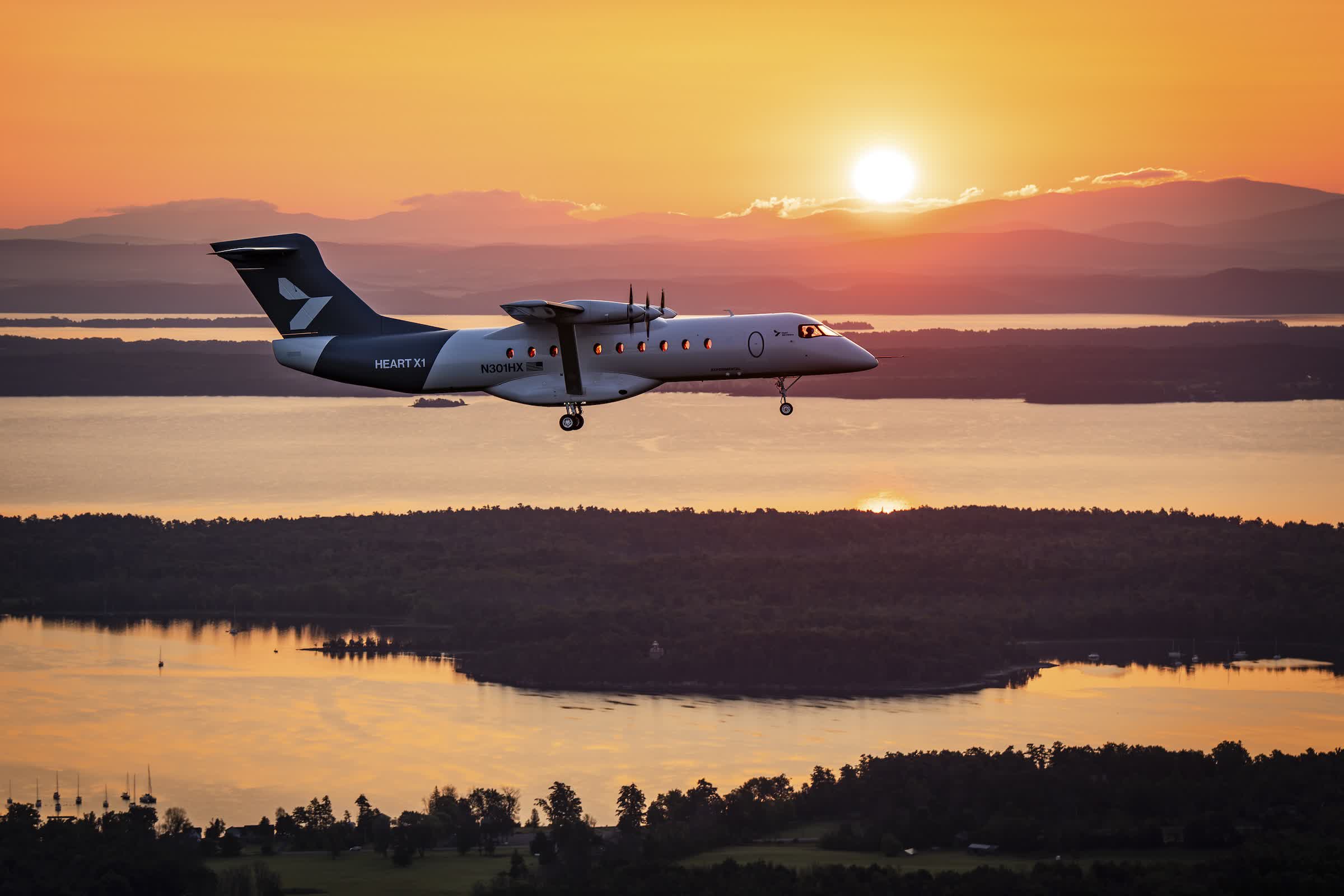
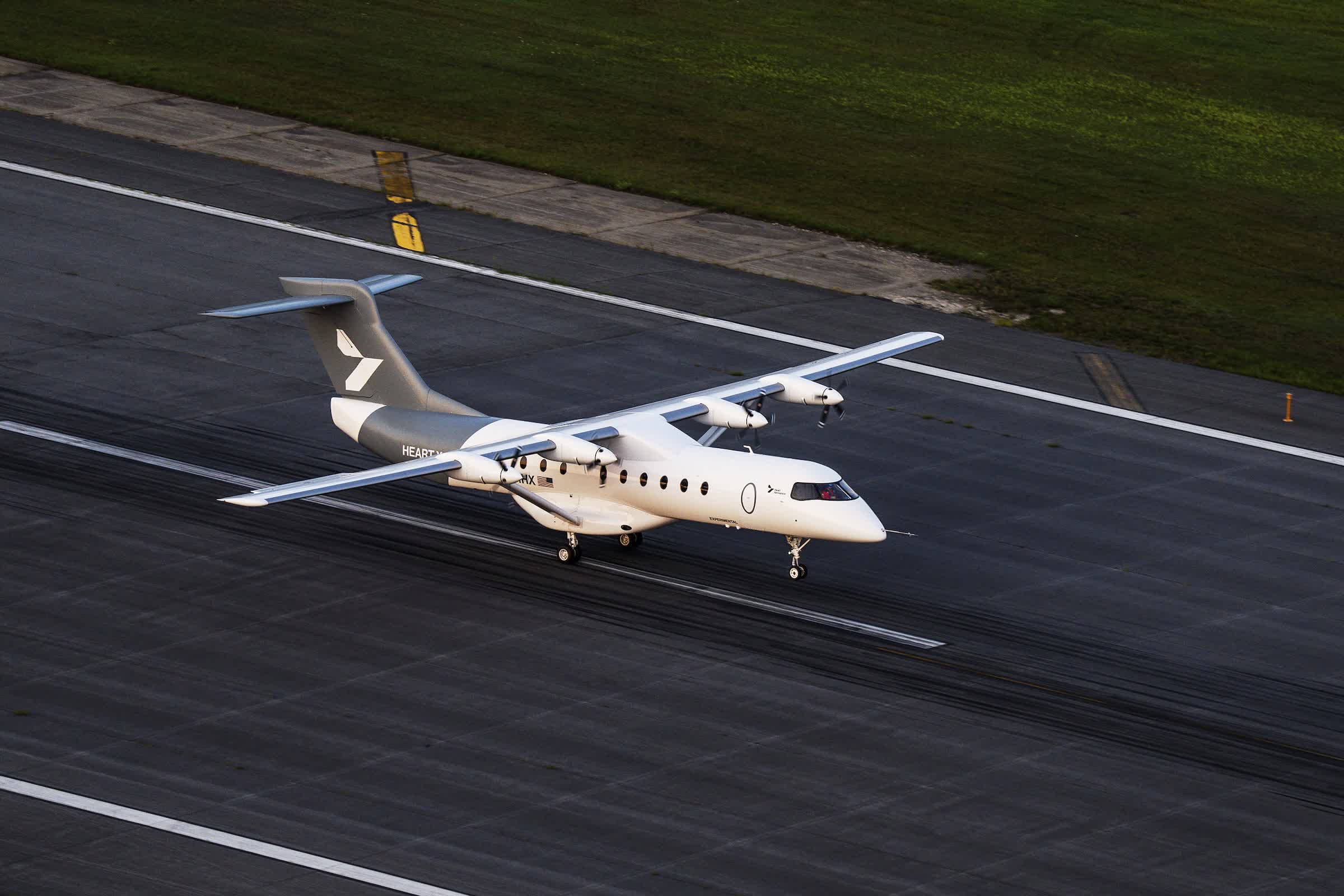
Heart's X1 demonstrator flew for 27 minutes from a regional airport in upstate New York, running on battery power the entire time. The aircraft reached 1,100 feet with one pilot aboard and no passengers. The flight marked the first time the company had put the X1 in the air.
The 30-seat plane is 76 feet long and has a 106-foot wingspan. It weighs more than 25,000 pounds. Heart says it is the largest fully battery-powered aircraft yet flown. "With the first flight of X1, Heart Aerospace has demonstrated electric flight at the scale of a commercial airliner," Heart Founder and CEO Anders Forslund said in a statement.
The X1 is a test platform, not an aircraft meant for airline service. Heart plans to apply what it learns from the program to the ES-30, a 30-seat hybrid-electric aircraft it hopes to bring into service by 2031. United, Air Canada, and JSX have all expressed interest in the model.
The ES-30's design reflects a central problem in electric aviation: batteries store far less energy per pound than jet fuel. As aircraft get larger, battery packs have to grow too, leaving less room for passengers, bags, and freight. Batteries also don't get lighter in flight – a conventional plane sheds weight as it burns fuel, but an electric aircraft carries the same battery mass from departure to arrival.
Heart estimates the design can travel about 125 miles on battery power alone. That's too short for many regional routes, especially once airlines factor in reserve power. The ES-30 would add a combustion-engine range extender, which Heart says could push maximum range to roughly 500 miles.
The company argues that the hybrid approach also cuts costs. Heart says the ES-30 could be more than 40% cheaper to operate than a comparable conventional regional aircraft, citing lower energy use and maintenance needs – electric motors have fewer moving parts than conventional aircraft engines, which should mean fewer and cheaper repairs.
Heart said the X1 flight used about $5 worth of electricity. That figure covers only the energy consumed during the test, but does not account for labor, airport charges, insurance, maintenance, battery wear, or the other costs of running an actual airline.
Heart moved its headquarters from Gothenburg, Sweden, to Los Angeles in 2025, part of a broader industry push to electrify smaller, shorter-range aircraft rather than long-haul fleets.
Rolls-Royce has tested an electric race plane that hit 387 mph, while Harbour Air has developed a six-seat electric seaplane. Joby Aviation and Archer Aviation, meanwhile, are pursuing electric vertical-takeoff-and-landing aircraft for short trips like airport connections.
Heart's X1 flight doesn't resolve the range and weight constraints that have slowed electric aviation. But it does give Heart flight-test data from a larger aircraft as it works toward a hybrid regional plane.
The largest all-electric plane ever flew for 27 minutes, on $5 of electricity


