
In a nutshell: Most people aren't happy about seeing robots rolling around our streets, be they delivering something or on patrol. But a new machine being deployed in Texas has a function that should be more welcome: assessing sidewalks to ensure they are safe to use for people with disabilities.
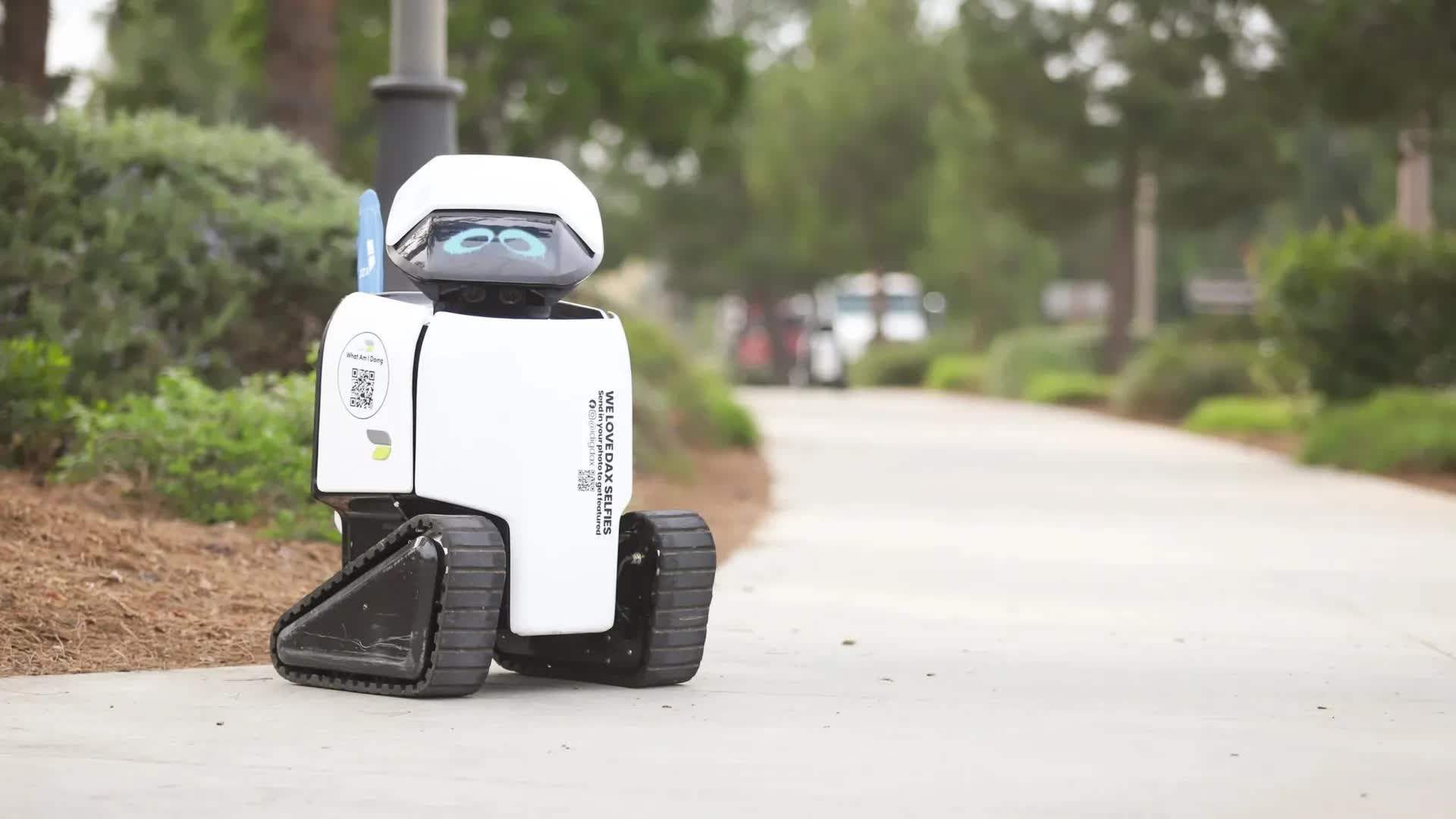
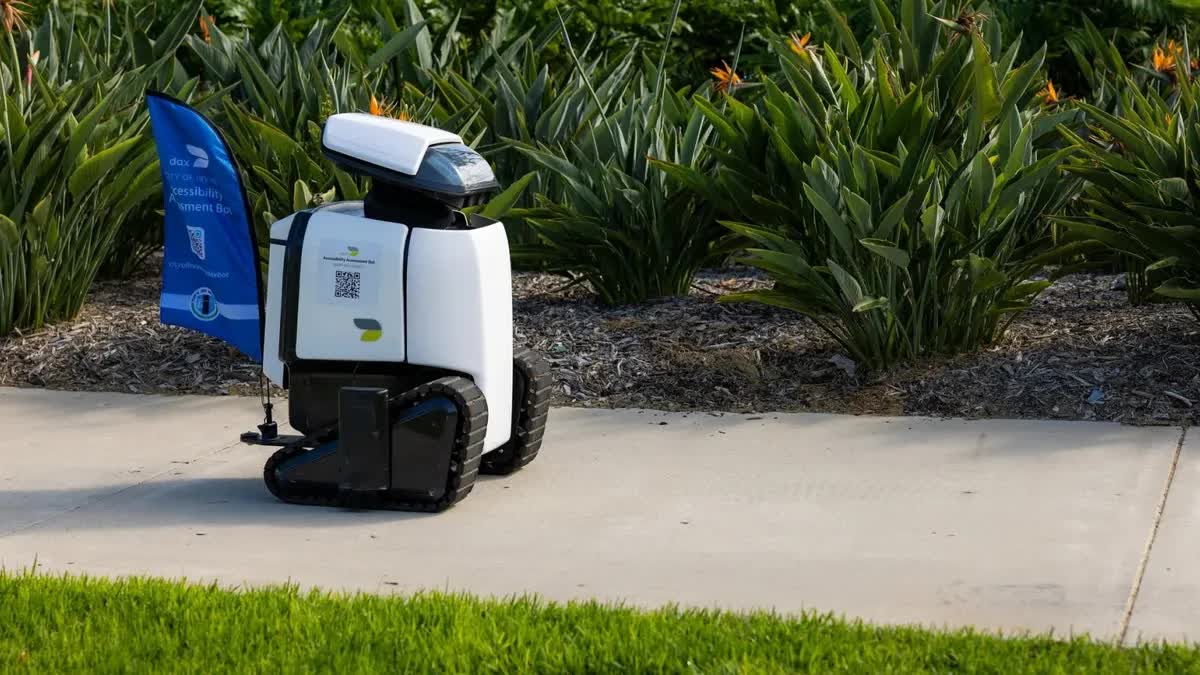
Residents in the city of Burleson, Texas, are the first to see the Wall-E-like Daxbots trundling around their neighborhoods.
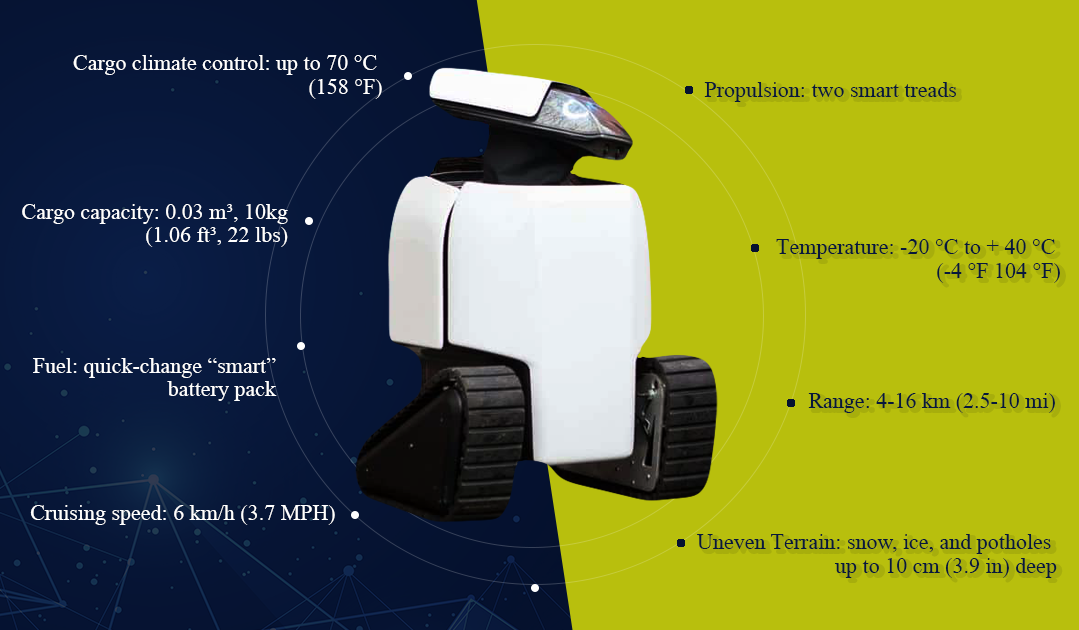
The machines, also known as ADA-compliance or urban service robots, come packed with sensors and mapping technology used to measure sidewalk slope, width, and potential obstacles that could pose barriers for people with disabilities.
Burleson Police Officer Colin Gregory told CBS that the robots make sure that someone in a wheelchair, for example, has the best ADA-compliant sidewalks available to use.
The Daxboxs are able to measure around six to seven miles of sidewalks per day. That's about three times more than what a typical person could manage during the same time period, according to officials.
Gregory added that the Daxboxs will stop if residents walk up to them and allow them to take a selfie with the robot, should they wish.
A recent report showed how the proliferation of food delivery robots has led to attacks on the machines by residents. With many arguing that they clutter sidewalks and endanger pedestrians, videos have appeared online showing people kicking, grabbing, and even attempting to destroy the bots. While some of these do look like attempted theft, others look like simple anger toward the machines.
The Daxbots' purpose appears to make the robots immune to these sentiments. Reports say once neighbors in the area learned that their purpose was to improve accessibility, reactions to the robots moved from apprehensive to appreciative.
Gregory poked fun at the common fear of robots and AI enslaving humanity, emphasizing that the Daxbots are not here to dominate or take over, adding "but again, they're adorable."
One issue that seems to be skipped over is the prospect of more robots taking human jobs. Like AI, the promise of a Daxbot being able to perform the same task faster than a person carries implications.
Should it prove successful, though, don't be surprised to see more Daxbots appearing on sidewalks across the country.


