
Looking back: Byte Magazine documented the dawn of personal computing in ways that still surprise, delight, and entertain. This interactive archive lets readers scroll, zoom, and click through every issue. It offers a peek at a world where screens were tiny, programs were typed by hand, and the internet was basically a secret handshake among a few universities.

For any computer geek born in the 1980s, Byte was a monthly obsession. Pages filled with BASIC code, hardware diagrams, and essays about computers that felt like they existed only in the future were devoured by young enthusiasts (myself included). It's hard to believe it's been over 25 years since it's final issue!
Fortunately, we can now relive those early years with a cool visual tool. John Whitington created a zoomable archive, using scans from VintageApple.org that lets anyone explore all 277 issues from September 1975 to July 1998. While zoomed out, the CPDF's (Coherent PDF) pages are tiny, unreadable specks. Users can zoom in with their mouse wheel or click on a page, and suddenly the text sharpens, the diagrams pop, and the covers leap off the screen.
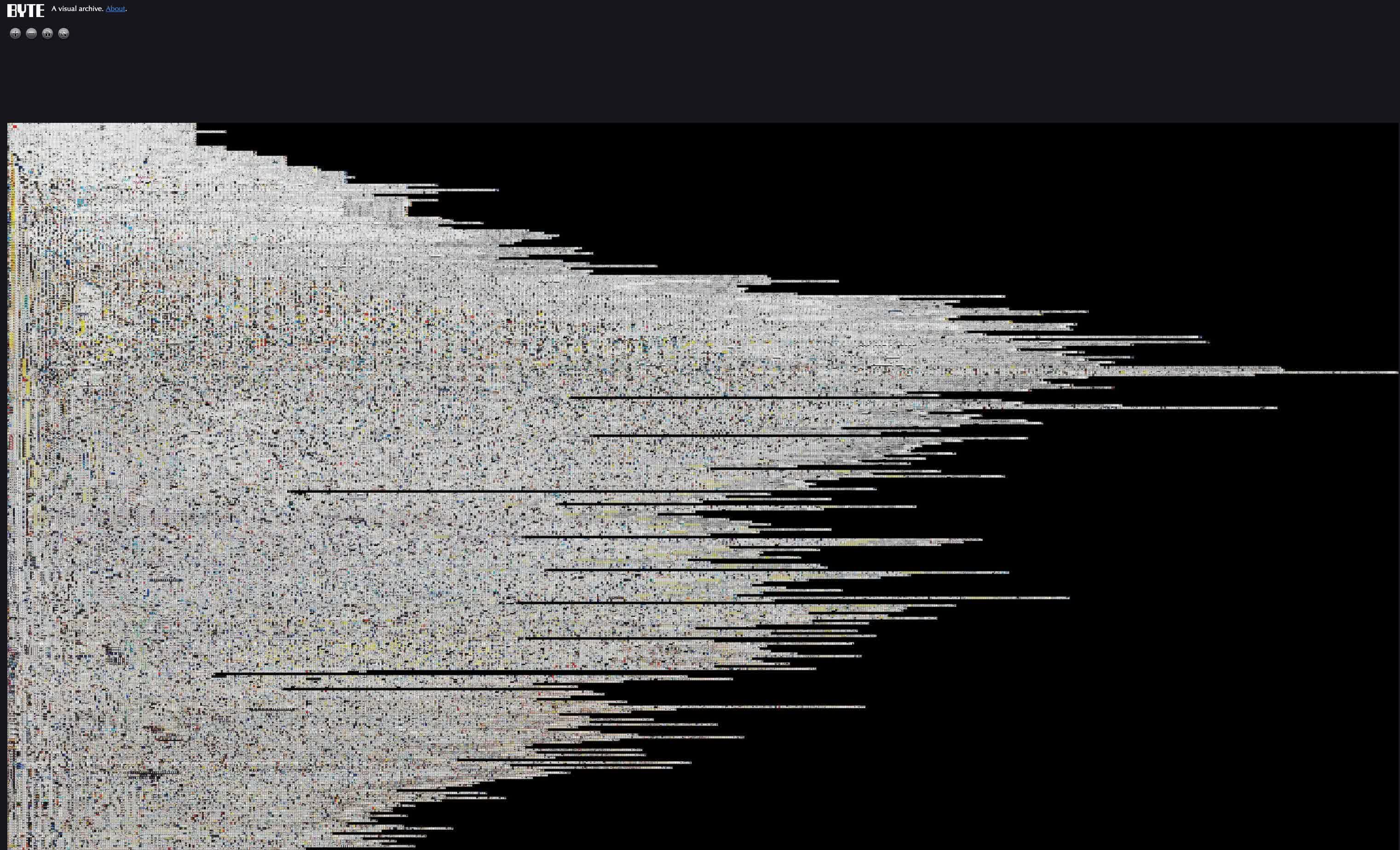
Navigating the archive is part of its charm. Users can drag pages with their mouse, use cursor keys for a microfiche-like experience, or click any page to center and zoom in instantly. Once zoomed, flipping through pages is as simple as clicking the next scan. It's a surprisingly tactile digital experience that gives you a sense of what it was like to actually hold the magazine – without risking paper cuts.
Also read: End of an era: The last two print computer magazines just pressed their last issues
Byte was never about fluff or press releases. Its thickly bound pages chronicled the microcomputer explosion, from kits that required soldering skills to the earliest commercial internet experiments. Within Byte's pages, Steve Ciarcia explained how to build a speech synthesizer from scratch, columns dissected Smalltalk and RISC pipelines, and Jerry Pournelle's Chaos Manor offered commentary that still resonates. Browsing the covers today is a reminder of how bold some predictions were, and how off-base others could be – "Can Java Replace Windows?" or "The PC is Dead" now read like punchlines in hindsight.
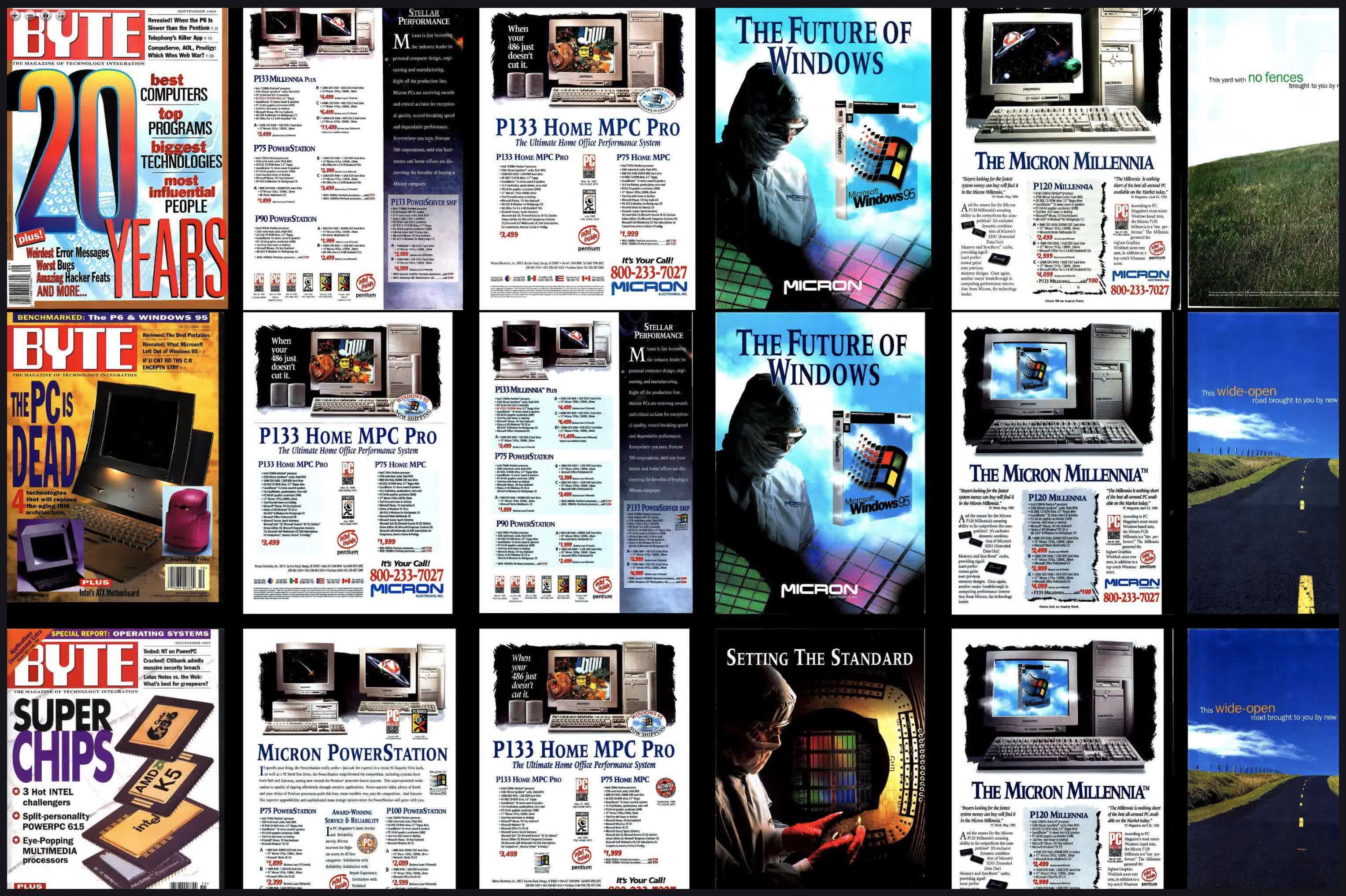
Whitington points out that computing has a willful amnesia. Pop culture ignores history, coders often treat the internet as if it fell fully formed from the sky, and most people forget the ingenuity required to build it all. This archive is a corrective, preserving the curiosity, technical skill, and occasional hubris of the era while giving both old readers and newcomers the chance to experience it visually.
Click, zoom, scroll, repeat. Exploring this Byte map is addictive, educational, and surprisingly mesmerizing. For anyone who remembers flipping through the magazine in the 1980s, it's pure nostalgia. In an age of AI everything, it's a sharp reminder that the digital world we take for granted was once built one hand-coded line at a time and written about on actual paper.
Now, where did I leave my hacky sack?
This zoomable visual archive of Byte Magazine is a delightful trip down memory lane


